MSI Gaming GF63 10SCXR-221CA Thin RAM upgrade specifications




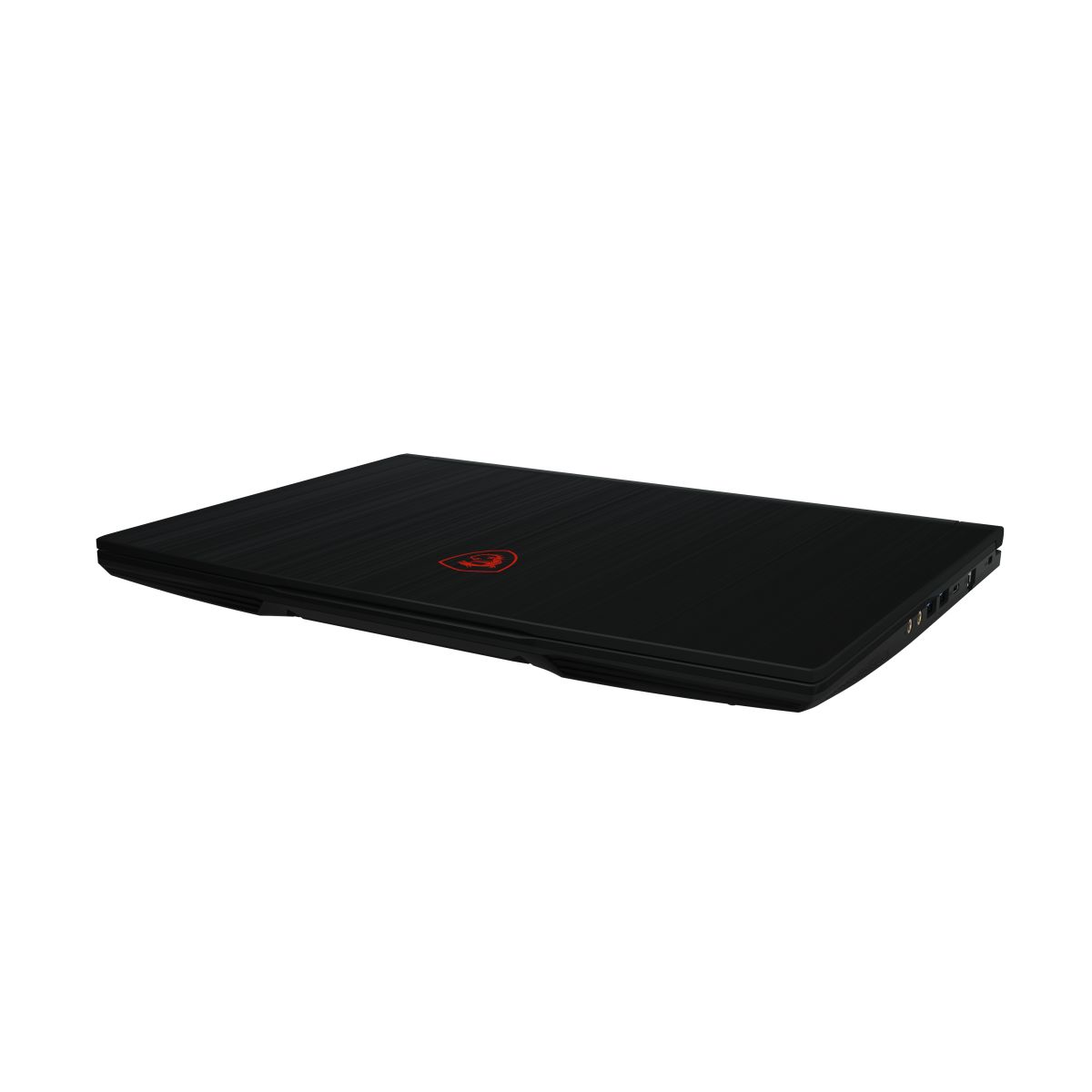
MSI GF63 10SCXR-221CA Thin Gaming series laptop features DDR4-SDRAM memory upgrade specifications. The machine contains two SO-DIMM slots supporting maximum capacity of 64 GB RAM. Compatible memory modules operate at 2666 MHz frequency. Current memory configuration allows for RAM upgrade capability through the dual SO-DIMM slots. Specifications indicate DDR4-SDRAM form factor compatibility. Maximum supported memory capacity reaches 64 GB total across both slots, enabling significant upgrade potential from factory configuration.
Memory Upgrade Specifications
| Specification | Value |
|---|---|
| Memory slots | 2x SO-DIMM |
| Form factor | SO-DIMM |
| Memory type | DDR4-SDRAM |
| Frequency | 2666 MHz |
| Maximum RAM | 64 GB |
| Voltage | 1.2V |
| Number of pins | 260-pin |
| Interface | PC4 |
| PC Speed Rating | PC4-2666 (PC4-21328) |
| Bandwidth | 21.3 GB/s |
| Laptop Release date | 22 April 2020 |
Additional Notes
- The dual channel architecture requires symmetrical module pairs to achieve maximum memory bandwidth and prevent single channel throughput bottlenecks.
- Upgrading the MSI GF63 10SCXR-221CA Thin to the maximum capacity necessitates replacing both pre-installed modules because the motherboard lacks additional vacant slots.
- Installing modules with frequencies exceeding 2666 MHz results in automatic downclocking to match the native system bus speed limitation.
- The 64 GB density threshold relies on the availability of 32 GB high-density SO-DIMM sticks which must adhere to the standard 1.2V DDR4 power specification to ensure stability.
- Internal access for memory replacement involves the removal of the entire lower chassis panel which may trigger warranty void stickers depending on regional consumer protection laws.
- The thin chassis design places the memory slots in close proximity to the heat pipes requiring low profile modules without thick integrated spreaders to avoid physical clearance issues.
- Latency performance depends on the CAS timing compatibility between the two slots as the system defaults to the timings of the slowest installed module.