MSI Gaming GF63 10SCXR-1287FR Thin RAM upgrade specifications



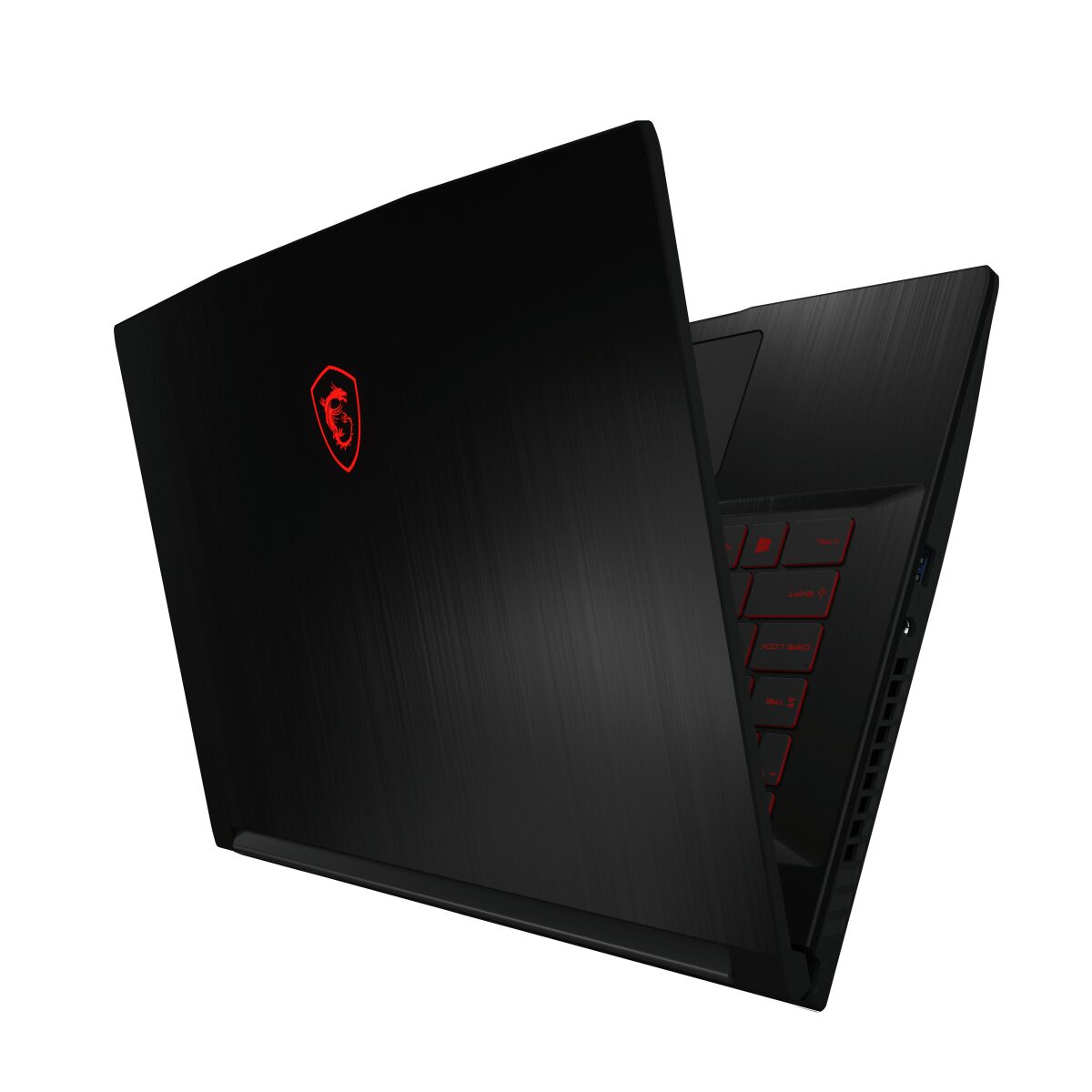
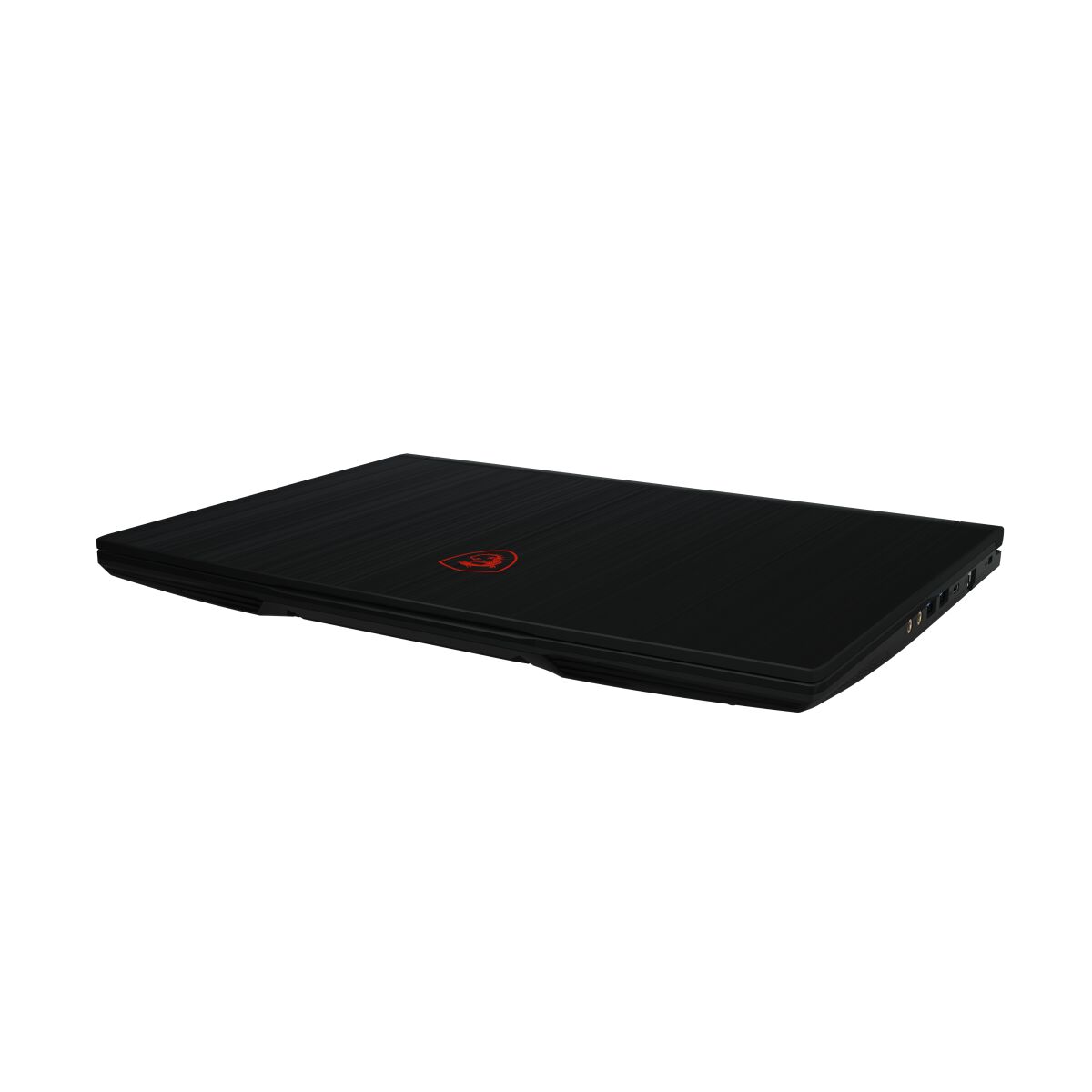
MSI GF63 10SCXR-1287FR Thin Gaming series laptop supports DDR4-SDRAM memory upgrades through two SO-DIMM slots. Maximum RAM capacity reaches 64 GB, with compatible modules operating at 2666 MHz frequency. Current specifications allow memory upgrades to enhance multitasking performance and application responsiveness on the GF Gaming family platform.
Memory Upgrade Specifications
| Specification | Value |
|---|---|
| Memory slots | 2x SO-DIMM |
| Form factor | SO-DIMM |
| Memory type | DDR4-SDRAM |
| Frequency | 2666 MHz |
| Maximum RAM | 64 GB |
| Voltage | 1.2V |
| Number of pins | 260-pin |
| Interface | PC4 |
| PC Speed Rating | PC4-2666 (PC4-21328) |
| Bandwidth | 21.3 GB/s |
| Laptop Release date | 30 January 2021 |
Additional Notes
- The MSI GF63 10SCXR-1287FR Thin operates on DDR4-2666 specification, which represents a bandwidth ceiling of 21.3 GB/s per channel, potentially limiting performance in compute-intensive tasks compared to systems supporting higher frequency modules.
- Both memory slots accept standard 260-pin SO-DIMM modules, eliminating compatibility concerns with widely available DDR4 laptop memory but requiring removal of factory-installed modules for capacity upgrades beyond existing configuration.
- The 64 GB maximum capacity indicates chipset support for 32 GB modules per slot, enabling substantial memory expansion for virtual machines, content creation workloads, or heavily multitabbed browsing sessions.
- Installing higher-frequency modules rated at 3200 MHz or above will result in automatic downclocking to 2666 MHz, offering no performance advantage over native-speed modules while potentially increasing component cost unnecessarily.
- Dual-channel architecture requires matched module pairs for optimal memory interleaving, meaning single-stick upgrades will operate in asymmetric mode with reduced bandwidth efficiency until a second matching module is installed.
- The SO-DIMM form factor necessitates accessing the bottom panel for installation, typically requiring removal of multiple screws and potentially voiding certain warranty seals depending on regional consumer protection regulations.
- Operating voltage for DDR4 SO-DIMM modules standardizes at 1.2V, ensuring thermal compatibility within the thin chassis design constraints without requiring additional cooling considerations during upgrade planning.
- Memory timing variations between modules from different manufacturers may trigger stability issues, making it advisable to source both sticks from identical product lines when performing dual-module installations.