MSI Gaming GF63 10SCXR-1267MX Thin RAM upgrade specifications




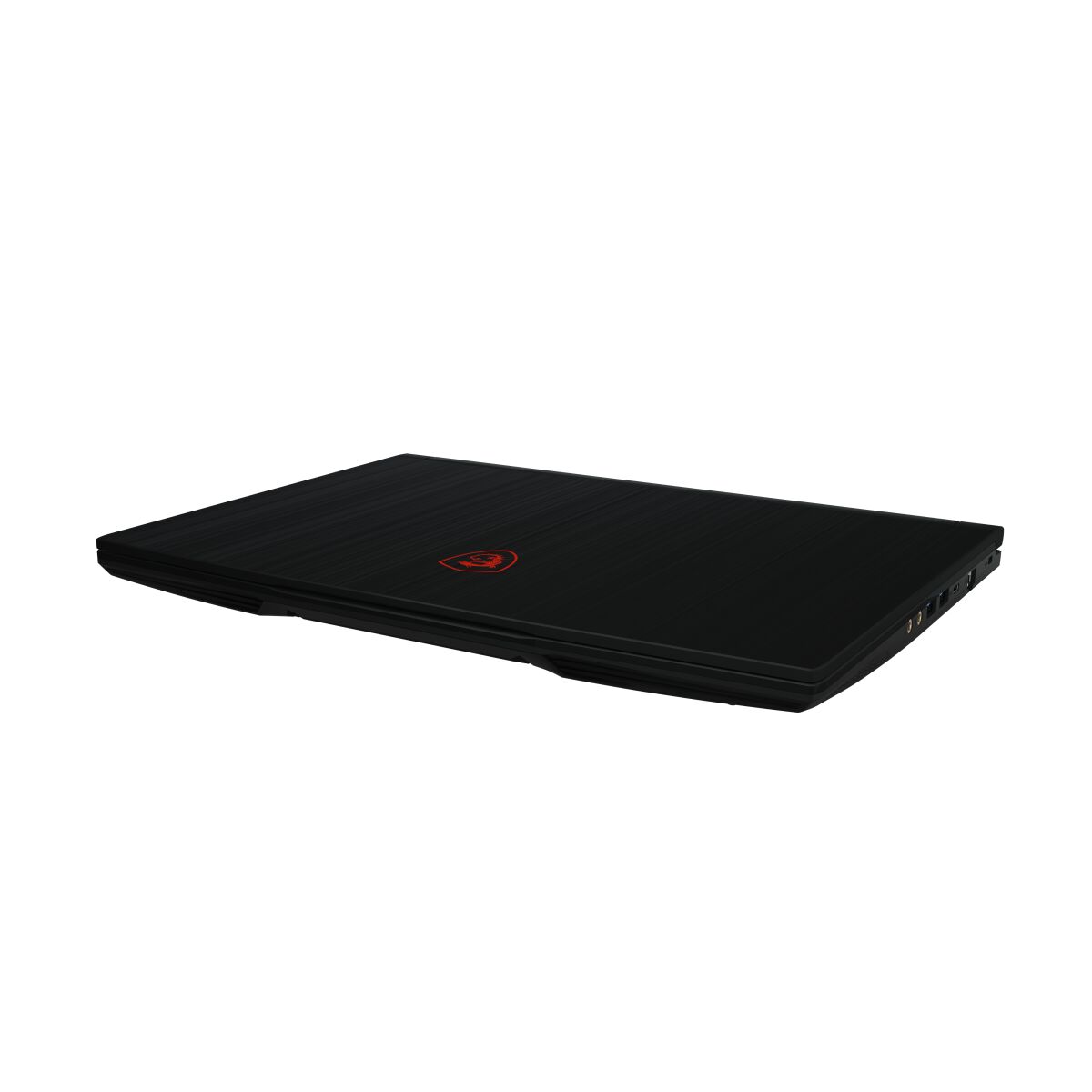
The MSI GF63 10SCXR-1267MX Thin gaming laptop features DDR4-SDRAM memory upgrade specifications with two SO-DIMM slots supporting maximum capacity of 64 GB. Compatible RAM operates at 3200 MHz frequency and utilizes SO-DIMM form factor. Current memory configuration allows for RAM upgrade to boost system performance. Specifications indicate both slots are accessible for memory module replacement or expansion. Maximum supported capacity reaches 64 GB total, enabling significant memory upgrade options for enhanced multitasking and gaming performance on the MSI GF series thin gaming notebook.
Memory Upgrade Specifications
| Specification | Value |
|---|---|
| Memory slots | 2x SO-DIMM |
| Form factor | SO-DIMM |
| Memory type | DDR4-SDRAM |
| Frequency | 3200 MHz |
| Maximum RAM | 64 GB |
| Voltage | 1.2V |
| Number of pins | 260-pin |
| Interface | PC4 |
| PC Speed Rating | PC4-3200 (PC4-25600) |
| Bandwidth | 25.6 GB/s |
| Laptop Release date | 29 April 2021 |
Additional Notes
- The presence of 2 physical SO-DIMM slots allows for dual-channel memory configurations which increase memory bandwidth compared to single-channel setups.
- The MSI GF63 10SCXR-1267MX Thin supports high-capacity 32 GB modules in each slot to reach the maximum threshold for professional virtualization or heavy video editing workloads.
- Operating the system with modules of mismatched frequencies will cause the motherboard to downclock all memory to the lowest common speed.
- Accessing the internal memory slots requires the removal of the bottom chassis panel which may involve piercing a factory seal sticker in certain regions.
- The 3200 MHz frequency rating indicates compatibility with JEDEC standard profiles for plug-and-play performance without requiring XMP BIOS adjustments.
- Integrating low-voltage DDR4L modules is unnecessary as the architecture is designed for standard DDR4 voltage regulation.
- Total system latency depends on the CAS latency rating of the chosen modules since the integrated memory controller dictates the final timing constraints.