MSI Gaming GF63 10SCXR-1268MX Thin RAM upgrade specifications



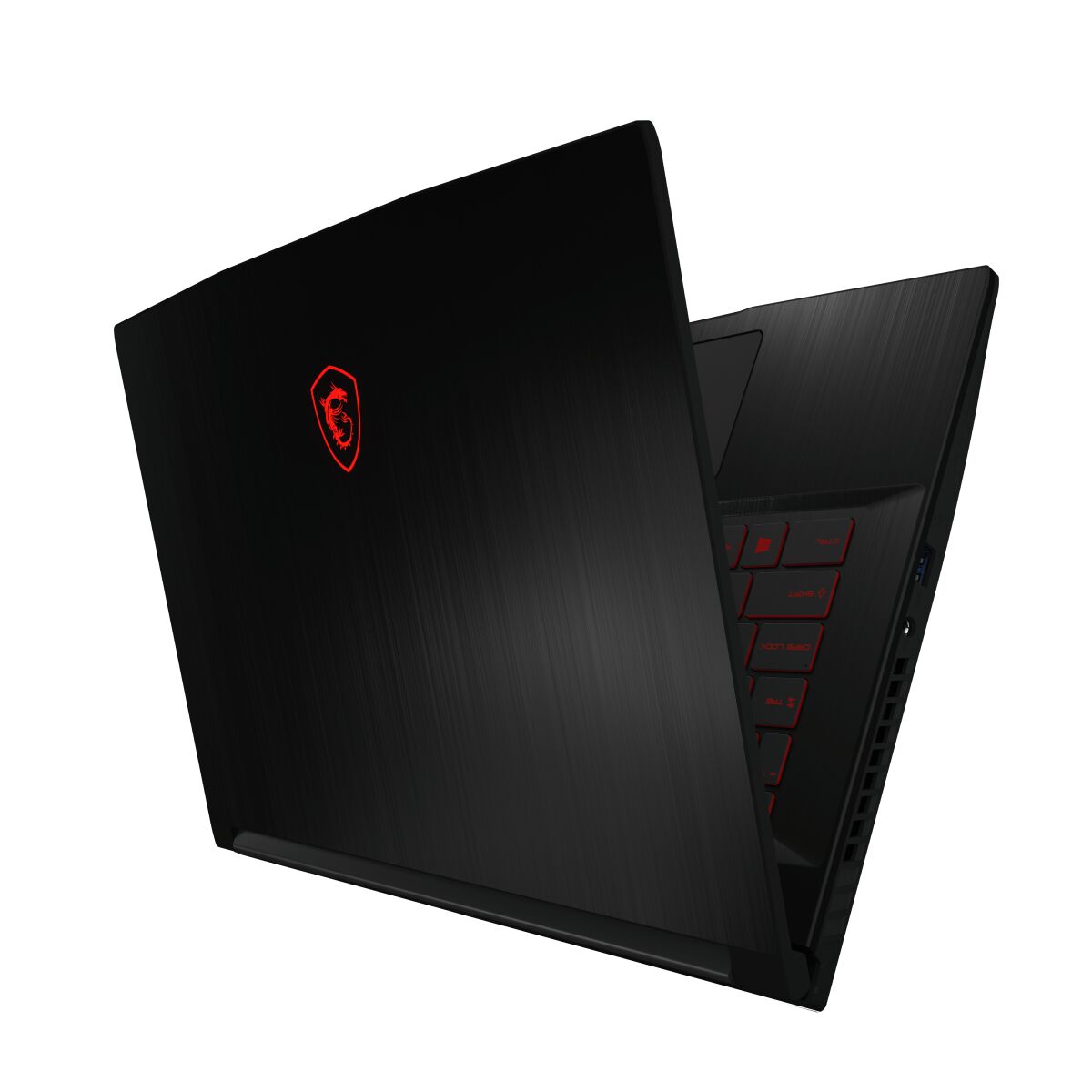
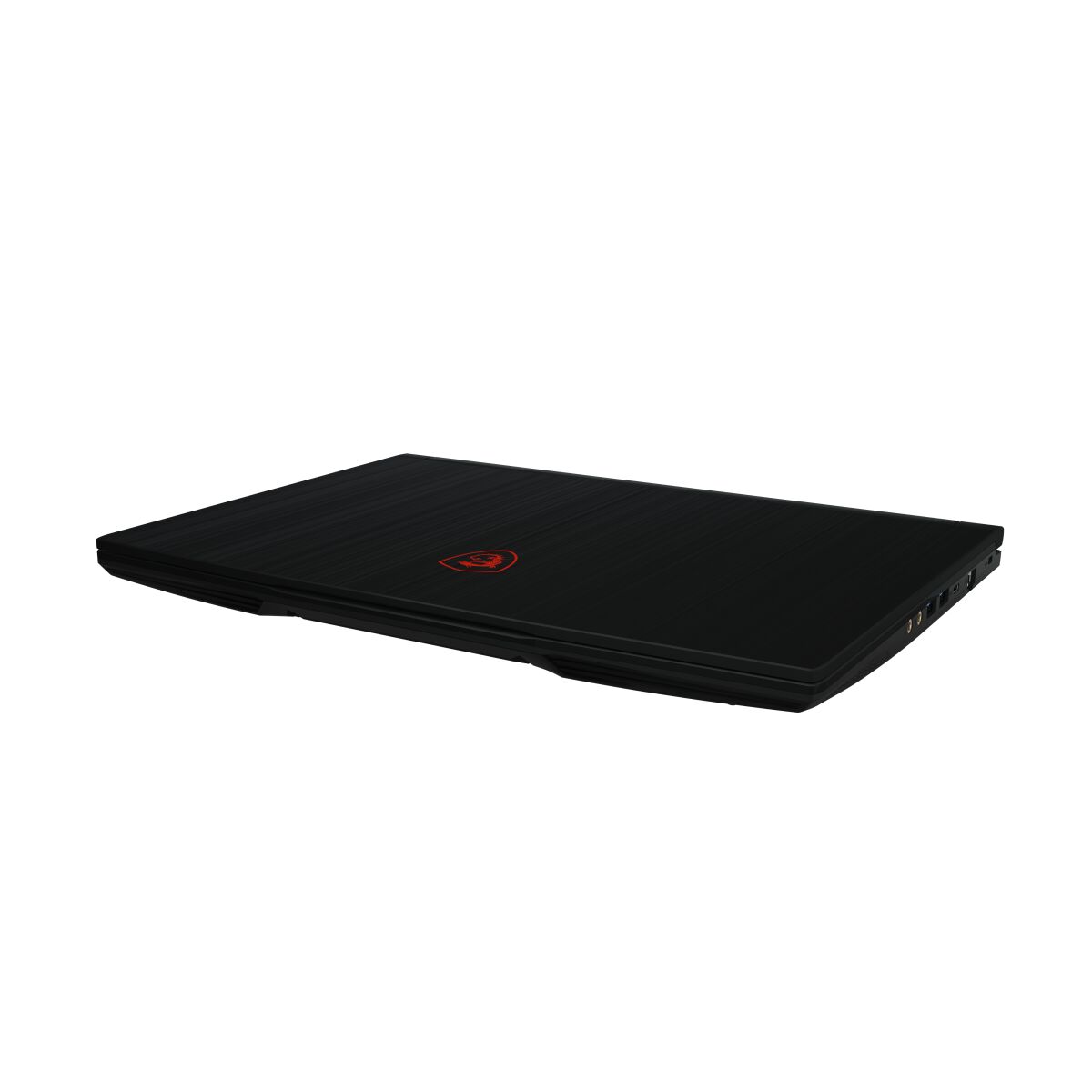
MSI GF63 10SCXR-1268MX Thin gaming laptop supports DDR4-SDRAM memory upgrades through dual SO-DIMM slots. Maximum RAM capacity reaches 64 GB total, with compatible modules operating at 3200 MHz frequency. Upgrade specifications indicate SO-DIMM form factor modules are required for this gaming series model. Current memory configuration and available slots enable RAM expansion to meet maximum specifications.
Memory Upgrade Specifications
| Specification | Value |
|---|---|
| Memory slots | 2x SO-DIMM |
| Form factor | SO-DIMM |
| Memory type | DDR4-SDRAM |
| Frequency | 3200 MHz |
| Maximum RAM | 64 GB |
| Voltage | 1.2V |
| Number of pins | 260-pin |
| Interface | PC4 |
| PC Speed Rating | PC4-3200 (PC4-25600) |
| Bandwidth | 25.6 GB/s |
| Laptop Release date | 29 April 2021 |
Additional Notes
- The MSI GF63 10SCXR-1268MX Thin supports dual-channel memory architecture through its 2 SO-DIMM slots, enabling doubled bandwidth when populated with matched capacity modules.
- The 3200 MHz frequency operates as DDR4-3200 or PC4-25600, delivering a theoretical peak transfer rate of 25.6 GB/s per channel or 51.2 GB/s in dual-channel configuration.
- The 10th generation Intel Core processor architecture determines actual operating frequency, potentially downclocking modules to 2933 MHz or 2666 MHz depending on the specific CPU variant installed.
- The 64 GB maximum capacity requires 32 GB modules in each slot, necessitating dual-rank JEDEC-standard modules for stable operation across the full address range.
- SO-DIMM physical dimensions measure 67.6 mm in length compared to desktop DIMM form factors, making standard desktop modules physically incompatible with the notebook chassis.
- Accessing memory slots typically requires bottom panel removal, potentially voiding manufacturer warranty seals depending on regional service policies and warranty terms.
- Operating voltage specification defaults to 1.2V for DDR4 standards, with XMP profile modules requiring BIOS support that may not be available in OEM firmware implementations.
- Single-channel configurations, when only 1 slot is populated, reduce memory bandwidth by half and negatively impact integrated graphics performance where system memory serves as video memory.
- Mixing modules with different speeds forces the memory controller to operate all modules at the lowest common frequency, negating any performance advantage of higher-rated modules.
- The chipset memory controller enforces non-ECC unbuffered module requirements, making registered or error-correcting modules incompatible regardless of capacity or speed ratings.