MSI Gaming GF63 10SCXR-086CA Thin RAM upgrade specifications



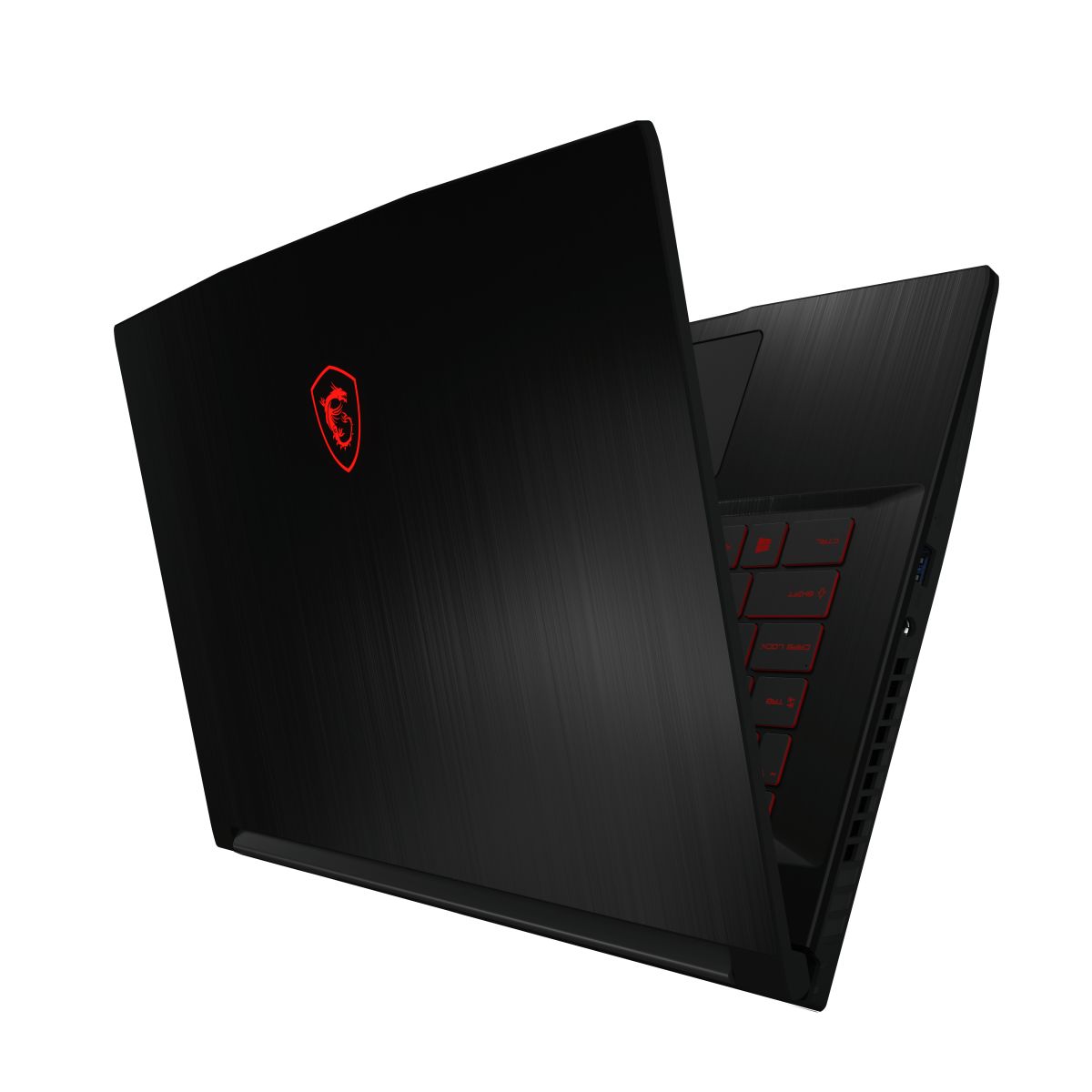
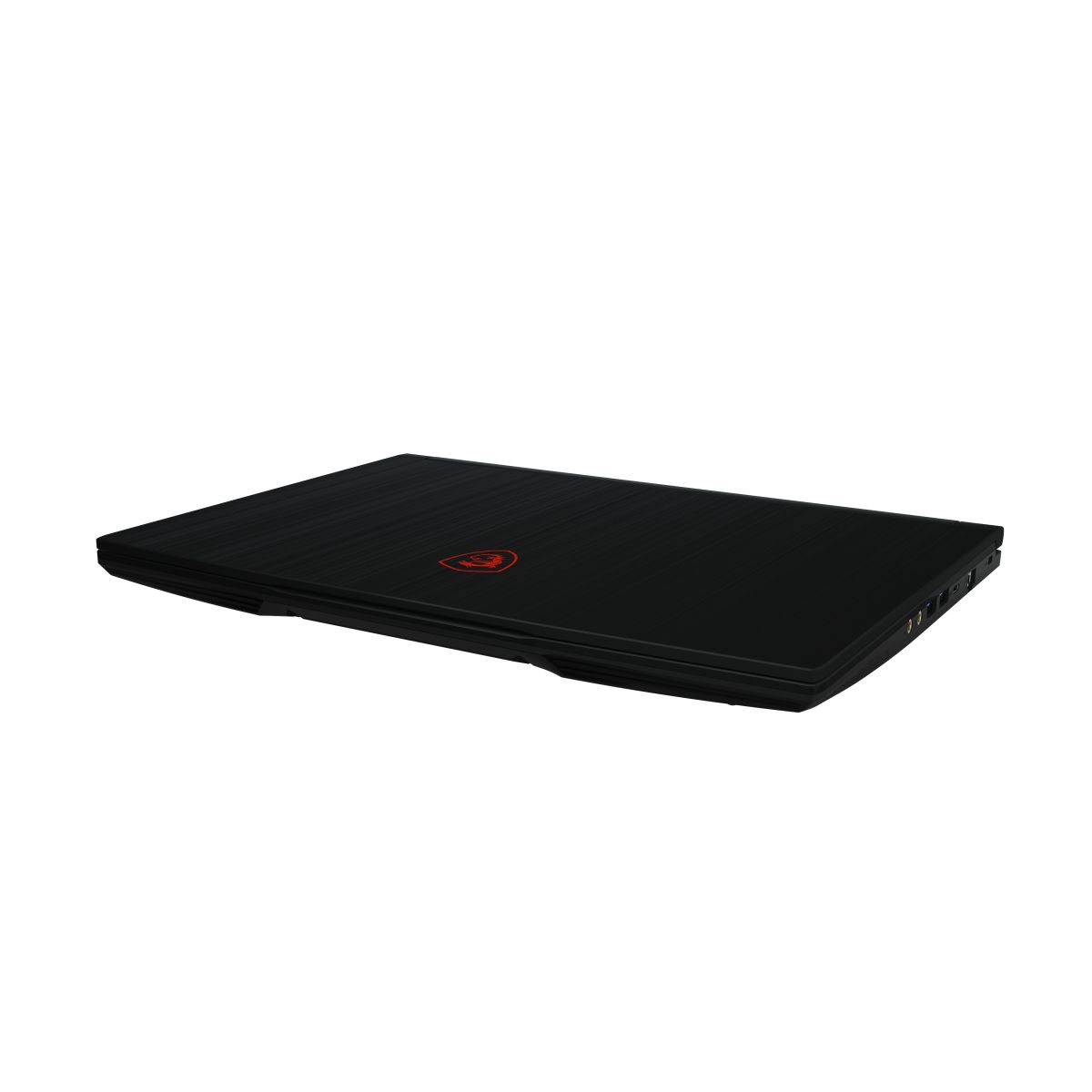
The MSI GF63 10SCXR-086CA Thin gaming laptop features DDR4-SDRAM memory upgrade specifications. The system contains 2x SO-DIMM slots for memory expansion. Maximum RAM capacity reaches 64 GB total. Compatible memory operates at 2666 MHz frequency using SO-DIMM form factor. Upgrade specifications enable users to expand memory capacity within the GF series gaming family configuration limits and slot availability.
Memory Upgrade Specifications
| Specification | Value |
|---|---|
| Memory slots | 2x SO-DIMM |
| Form factor | SO-DIMM |
| Memory type | DDR4-SDRAM |
| Frequency | 2666 MHz |
| Maximum RAM | 64 GB |
| Voltage | 1.2V |
| Number of pins | 260-pin |
| Interface | PC4 |
| PC Speed Rating | PC4-2666 (PC4-21328) |
| Bandwidth | 21.3 GB/s |
| Laptop Release date | 22 April 2020 |
Additional Notes
- The MSI GF63 10SCXR-086CA Thin relies on DDR4 technology, which means modules using the newer DDR5 standard are physically and electrically incompatible with the motherboard's memory controller.
- The 2666 MHz frequency represents a JEDEC standard specification that ensures broad compatibility across SO-DIMM modules, though higher-rated modules will automatically downclock to match this ceiling.
- Accessing both SO-DIMM slots typically requires removing the bottom panel, which may involve breaking factory seals or tamper-evident stickers that could affect warranty coverage depending on regional consumer protection laws.
- The dual-slot configuration enables dual-channel memory architecture when populated with matched modules, effectively doubling the memory bandwidth compared to single-channel operation.
- Achieving the 64 GB maximum capacity requires installing 2 modules of 32 GB each, which represents the highest per-module density currently available for DDR4 SO-DIMM at this frequency.
- The SO-DIMM form factor measures 67.6 mm in length compared to standard desktop DIMM modules at 133.35 mm, making desktop memory physically incompatible despite sharing the DDR4 specification.
- Running mismatched module capacities will still function but forces the system to operate in flex mode or asymmetric dual-channel, potentially creating performance inconsistencies in memory-intensive applications.
- The voltage specification for DDR4-2666 SO-DIMM defaults to 1.2V, and modules rated for higher voltages may not initialize properly if the BIOS lacks XMP profile support or manual voltage adjustment options.
- CAS latency timings are not specified in the base requirements, which means modules with CL19 or CL22 will both function, though tighter timings reduce absolute latency despite identical frequency ratings.
- The 10th generation Intel processor architecture in this model supports native DDR4-2666 operation without requiring overclocking, ensuring stable performance within Intel's validated specifications.