MSI Gaming GF63 10SCXR-045FR Thin RAM upgrade specifications
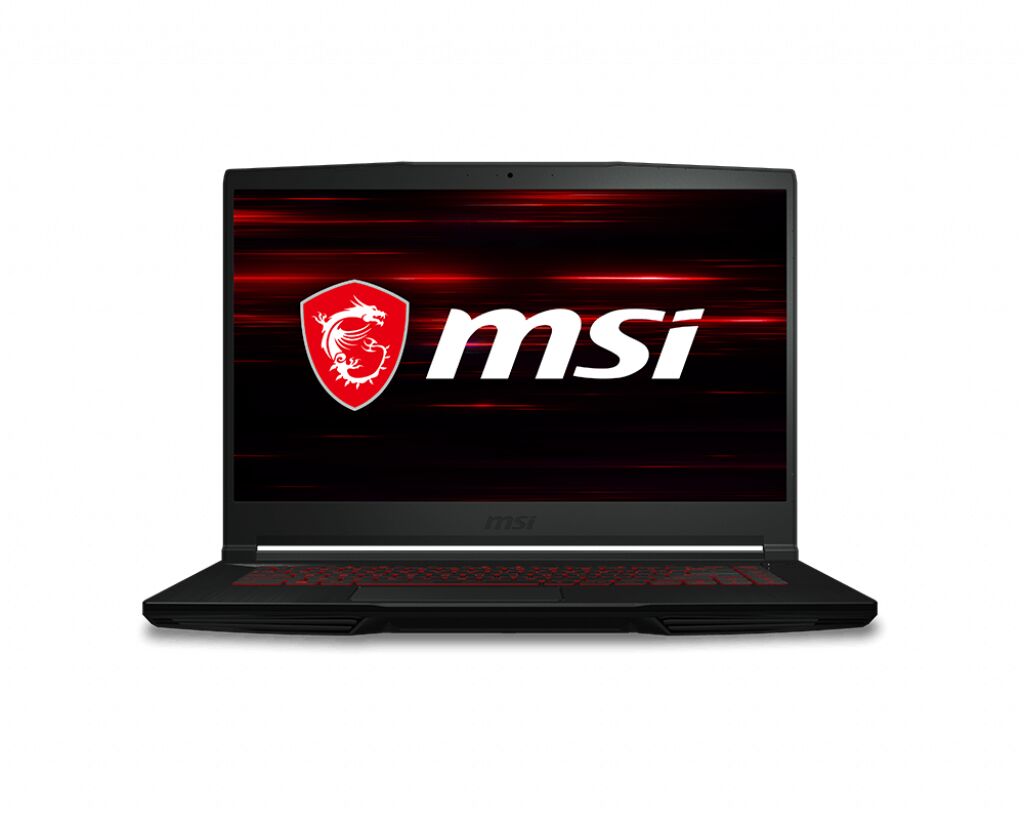
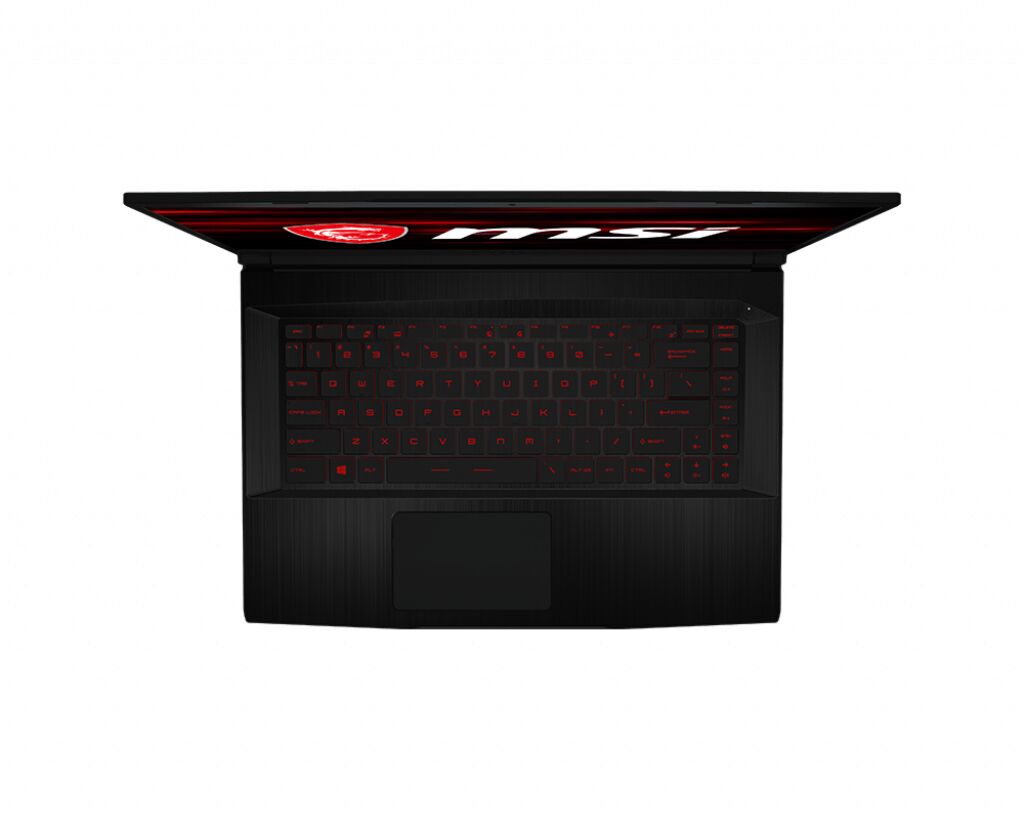
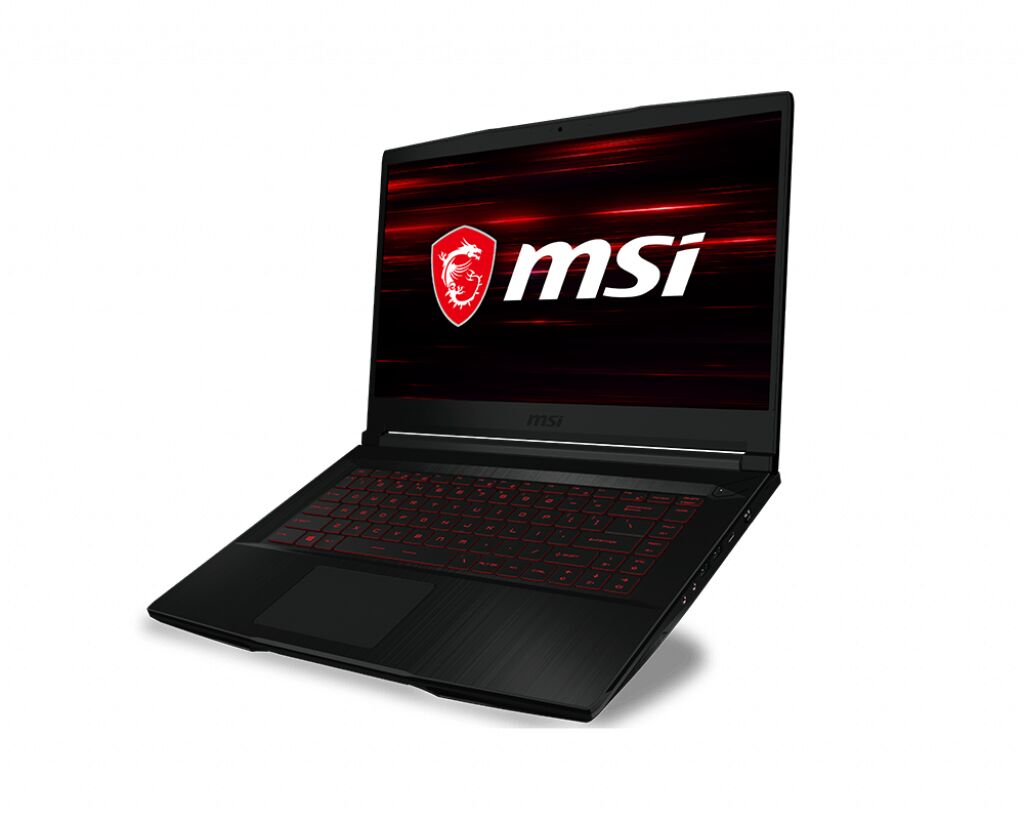
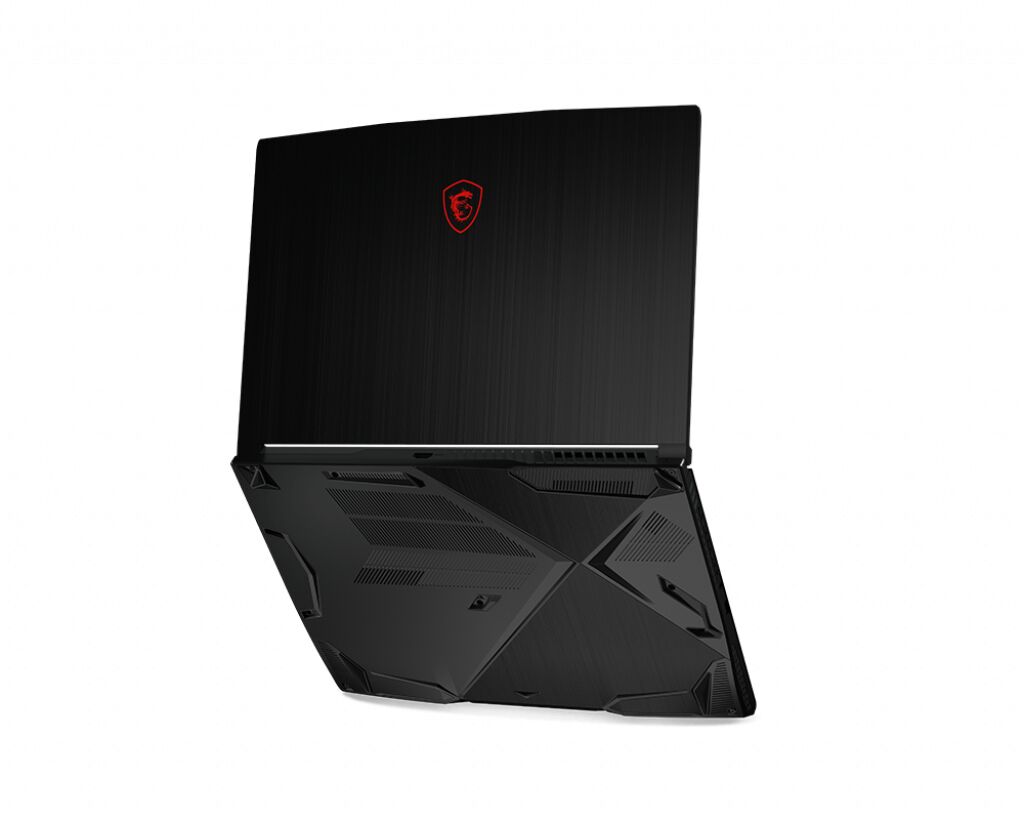
The MSI GF63 10SCXR-045FR Thin gaming laptop features DDR4-SDRAM memory upgrade capabilities. The device contains 2x SO-DIMM slots for RAM installation, supporting a maximum capacity of 64 GB total memory. Compatible memory modules operate at 2666 MHz frequency and utilize the SO-DIMM form factor. Specifications enable users to upgrade the existing memory configuration by replacing or adding DDR4-SDRAM modules to enhance system performance and multitasking capabilities on the MSI Gaming GF series laptop.
Memory Upgrade Specifications
| Specification | Value |
|---|---|
| Memory slots | 2x SO-DIMM |
| Form factor | SO-DIMM |
| Memory type | DDR4-SDRAM |
| Frequency | 2666 MHz |
| Maximum RAM | 64 GB |
| Voltage | 1.2V |
| Number of pins | 260-pin |
| Interface | PC4 |
| PC Speed Rating | PC4-2666 (PC4-21328) |
| Bandwidth | 21.3 GB/s |
| Laptop Release date | 10 April 2020 |
Additional Notes
- The MSI GF63 10SCXR-045FR Thin supports DDR4 SO-DIMM modules running at 2666 MHz, which corresponds to PC4-21300 in module nomenclature when calculating bandwidth requirements.
- Both memory slots accept dual-rank modules up to 32 GB each, enabling the 64 GB maximum configuration without requiring future-generation high-density chips.
- Installing a single module will disable dual-channel operation, cutting memory bandwidth to approximately 21 GB/s instead of the 42 GB/s available with matched pairs.
- Modules rated above 2666 MHz will downclock to this frequency due to chipset limitations, making premium high-speed kits functionally identical to standard-speed versions in this system.
- The SO-DIMM form factor requires notebook-specific modules measuring 67.6 mm in length, as standard desktop DIMM modules at 133.35 mm will not physically fit the slots.
- Mixing modules with different CAS latencies may force both to operate at the slower timing specification, potentially increasing memory access delays by several nanoseconds.
- Accessing the SO-DIMM slots typically requires removing the bottom panel, which involves unscrewing multiple fasteners and may expose other components to static discharge risk without proper grounding.
- Voltage specification must remain at 1.2V for DDR4 compatibility, as higher-voltage modules designed for overclocking could trigger stability issues or prevent POST completion.
- The Intel 10th generation platform underlying this configuration does not officially support DDR4 speeds beyond 2933 MHz, making the 2666 MHz specification a conservative choice within JEDEC standards.
- Upgrading from the factory configuration requires verifying whether existing modules are single or dual-rank, as mixing rank configurations can cause compatibility issues on some chipsets.