MSI Gaming GF63 10SCSR-655UK Thin RAM upgrade specifications




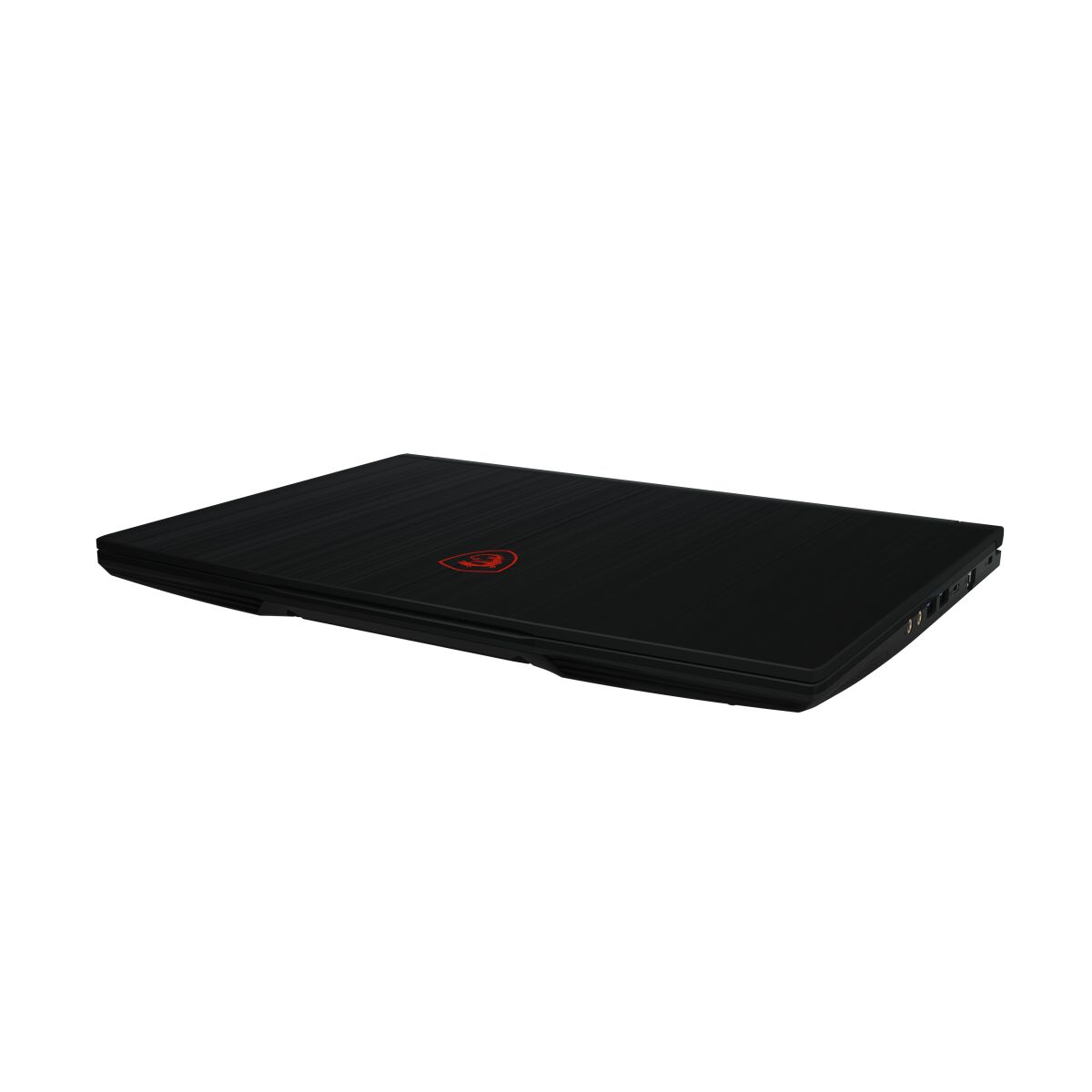
MSI GF63 10SCSR-655UK Thin gaming laptop supports DDR4-SDRAM memory upgrades via two SO-DIMM slots. Maximum RAM capacity reaches 64 GB total. Compatible memory operates at 2666 MHz frequency. Current specifications indicate the laptop features expandable memory configuration with SO-DIMM form factor, enabling users to upgrade existing modules. The GF63 10SCSR-655UK Thin from MSI Gaming series accommodates memory expansion within the established specifications and slot limitations.
Memory Upgrade Specifications
| Specification | Value |
|---|---|
| Memory slots | 2x SO-DIMM |
| Form factor | SO-DIMM |
| Memory type | DDR4-SDRAM |
| Frequency | 2666 MHz |
| Maximum RAM | 64 GB |
| Voltage | 1.2V |
| Number of pins | 260-pin |
| Interface | PC4 |
| PC Speed Rating | PC4-2666 (PC4-21328) |
| Bandwidth | 21.3 GB/s |
| Laptop Release date | 07 September 2020 |
Additional Notes
- The presence of 2 physical SO-DIMM slots signifies that the system utilizes a dual-channel memory architecture, which requires installing modules in identical pairs to achieve maximum memory bandwidth.
- The MSI GF63 10SCSR-655UK Thin internal chassis layout necessitates a complete removal of the bottom base plate to access memory banks, as no dedicated component hatches are present.
- Installing 3200 MHz modules results in automatic downclocking to the 2666 MHz hardware limit dictated by the integrated memory controller of the 10th generation processor.
- Upgrading to the 64 GB capacity provides the necessary overhead for heavy virtualization and professional video editing suites that exceed standard gaming requirements.
- System stability depends on using Non-ECC unbuffered modules because the motherboard chipset lacks support for error-correcting code memory.
- Latency performance is optimized by selecting modules with a lower CAS latency rating since the clock frequency remains fixed at 2666 MHz.
- Memory modules must operate at 1.2V to ensure compatibility with the power delivery system and to prevent thermal throttling within the compact frame.
- The storage of temporary assets during high-load tasks benefits from a symmetrical 2-stick configuration to prevent the performance bottlenecks associated with single-channel operation.