MSI Gaming GF63 10SCSR-265CN Thin RAM upgrade specifications
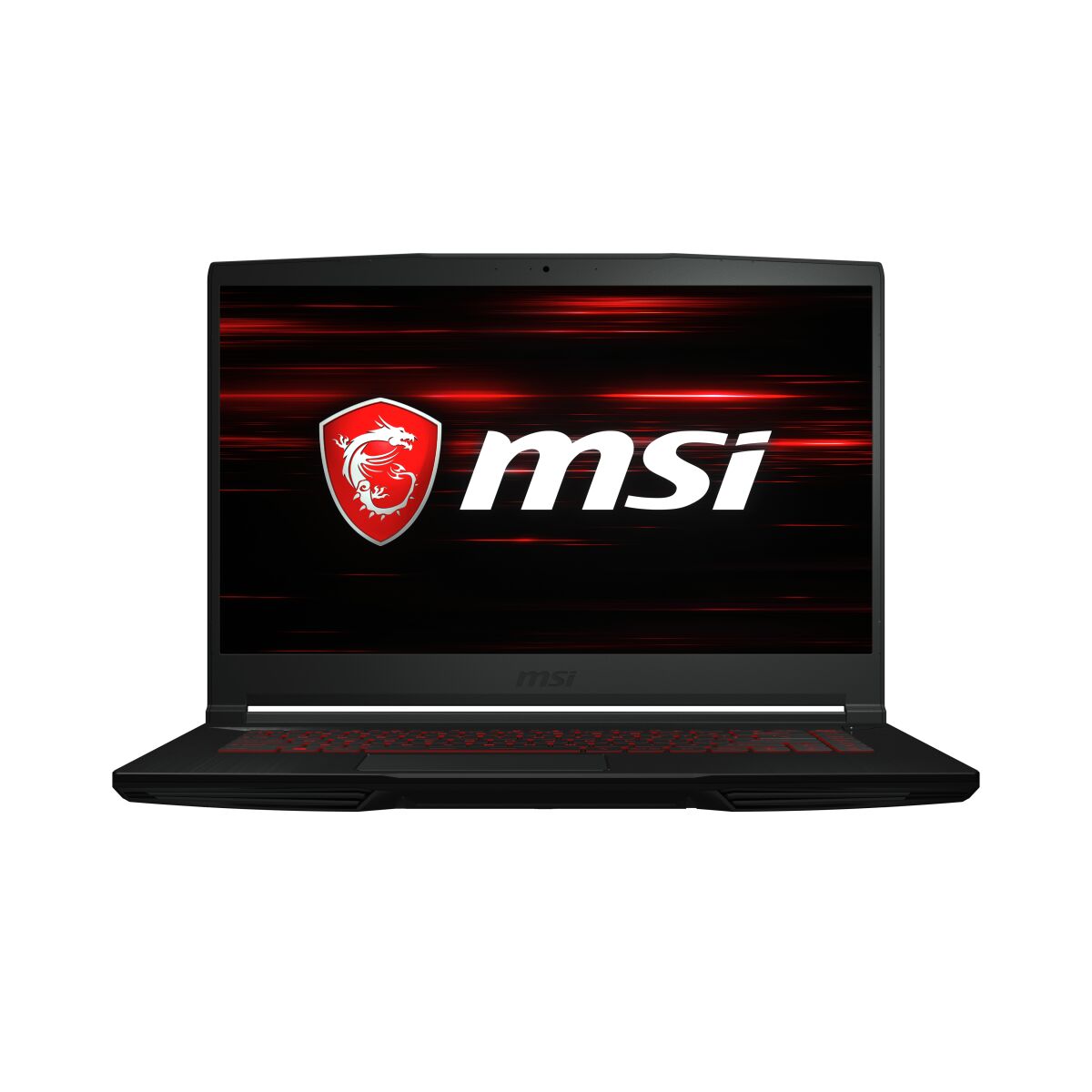
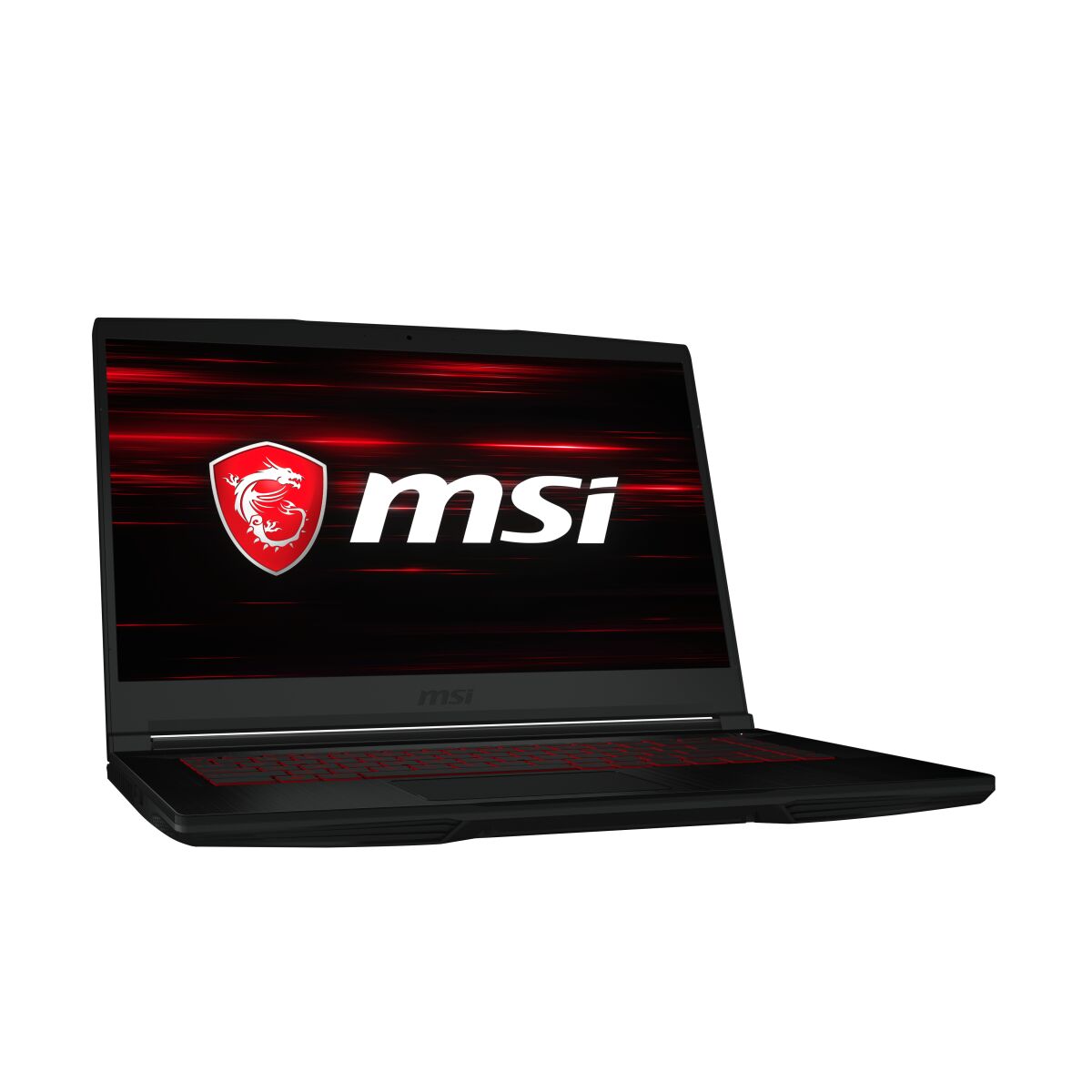

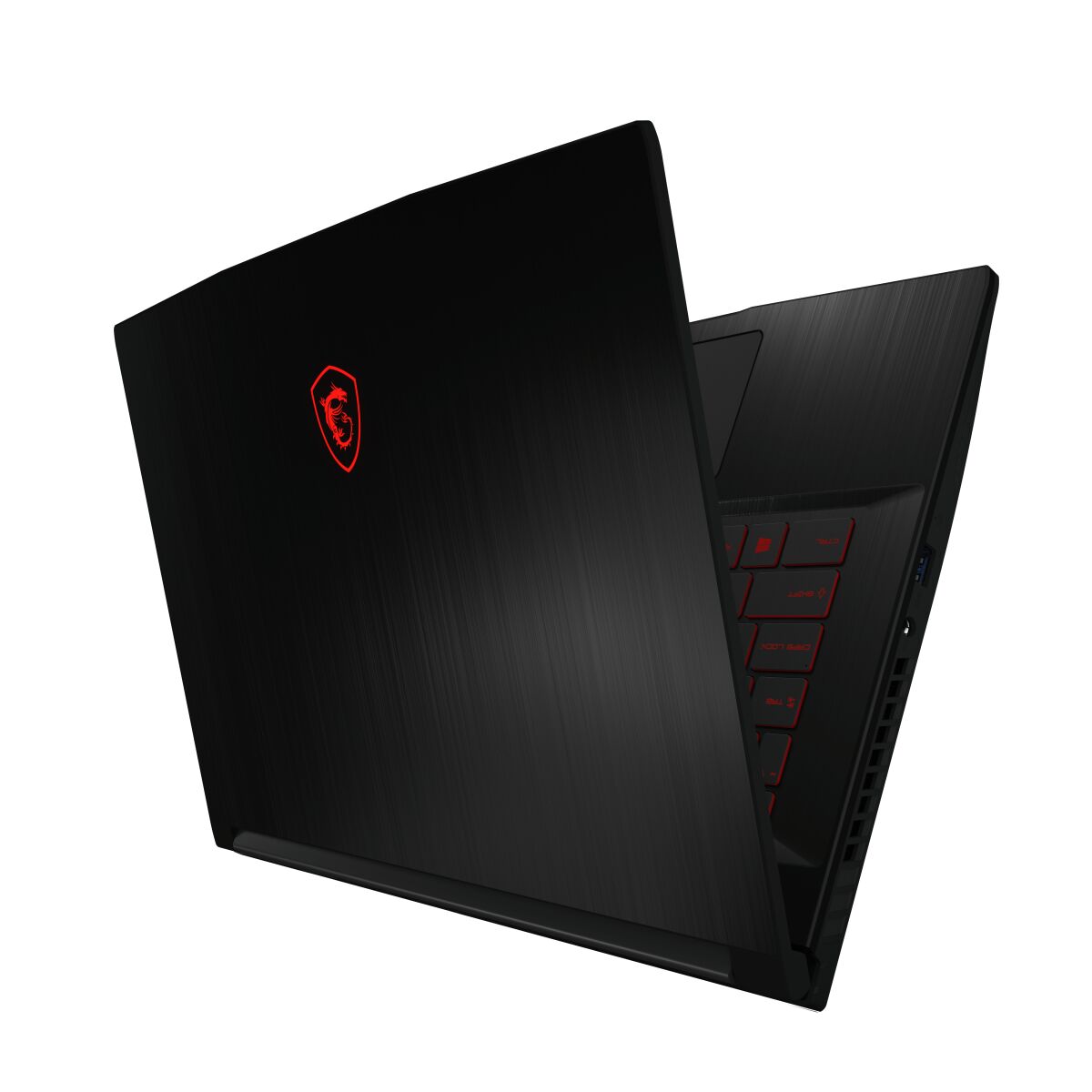
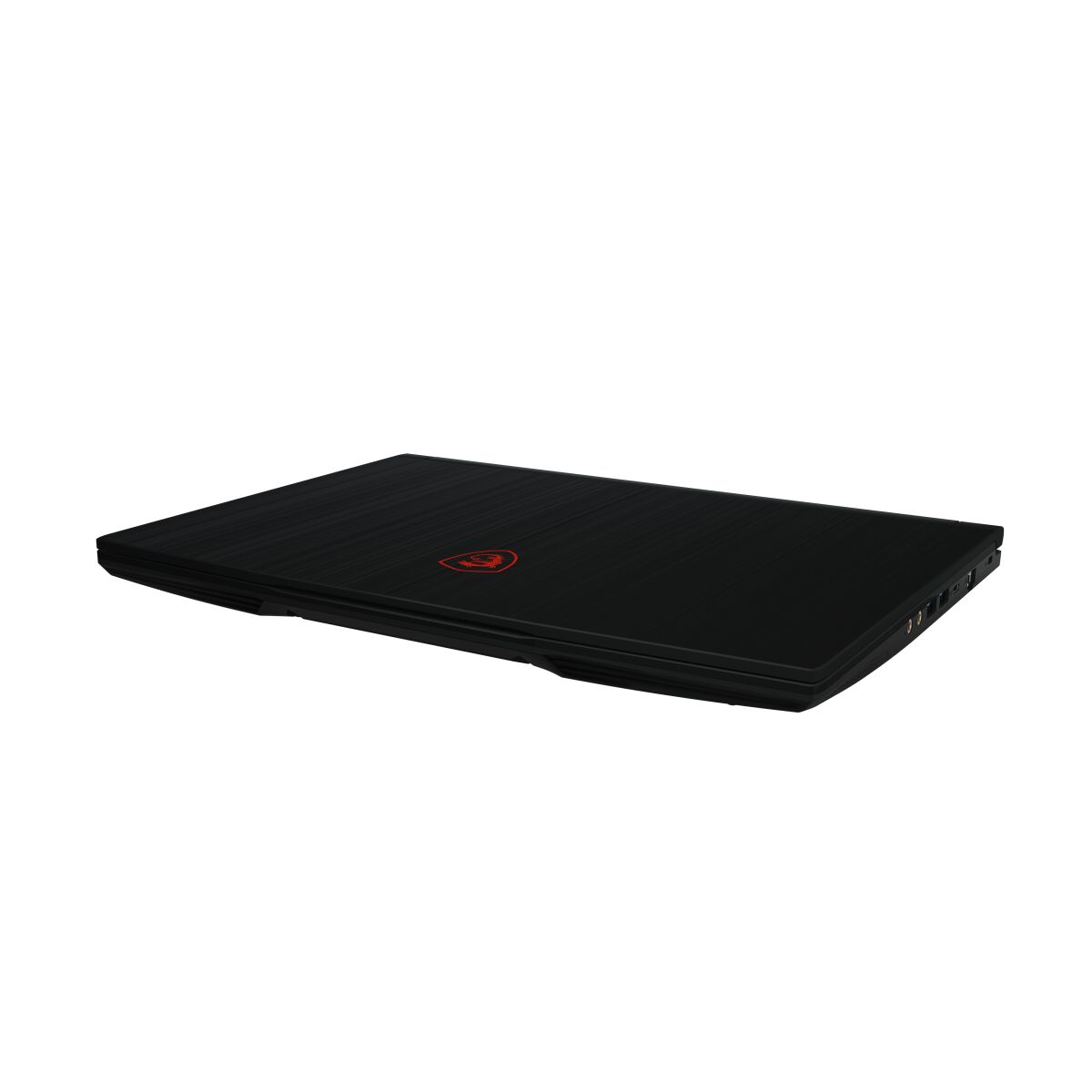
The MSI GF63 10SCSR-265CN Thin Gaming laptop contains two SO-DIMM slots supporting DDR4-SDRAM memory upgrades at 2666 MHz frequency. Maximum memory capacity reaches 64 GB total when both slots are fully populated. This Gaming series model accepts SO-DIMM form factor modules compatible with DDR4-SDRAM specifications. RAM upgrade options allow users to expand memory capacity beyond factory configurations by installing compatible modules in available slots.
Memory Upgrade Specifications
| Specification | Value |
|---|---|
| Memory slots | 2x SO-DIMM |
| Form factor | SO-DIMM |
| Memory type | DDR4-SDRAM |
| Frequency | 2666 MHz |
| Maximum RAM | 64 GB |
| Voltage | 1.2V |
| Number of pins | 260-pin |
| Interface | PC4 |
| PC Speed Rating | PC4-2666 (PC4-21328) |
| Bandwidth | 21.3 GB/s |
| Laptop Release date | 15 June 2020 |
Additional Notes
- The dual channel architecture requires symmetrical module pairs to achieve maximum memory bandwidth and prevent single channel bottlenecking during high load tasks.
- Installing memory modules with frequencies exceeding 2666 MHz results in automatic downclocking to match the system bus limitation dictated by the 10th Gen chipset architecture.
- Achieving the 64 GB maximum capacity involves replacing all factory pre-installed modules because the MSI GF63 10SCSR-265CN Thin relies on 2 slots only.
- Upgrading memory requires the removal of the entire bottom chassis panel which may trigger warranty void stickers in specific regional markets despite the hardware being technically user replaceable.
- The thin chassis design results in tight vertical clearance for memory modules requiring standard height SO-DIMM sticks without integrated heat spreaders.
- Latencies are determined by the slowest installed module meaning that mixing modules with different CAS latency ratings forces the system to default to the higher latency timing.
- Operating the system with a single populated slot reduces memory throughput by 50 percent impacting frame rates in CPU intensive gaming scenarios.