MSI Gaming GF63 10SCSR-206 Thin RAM upgrade specifications
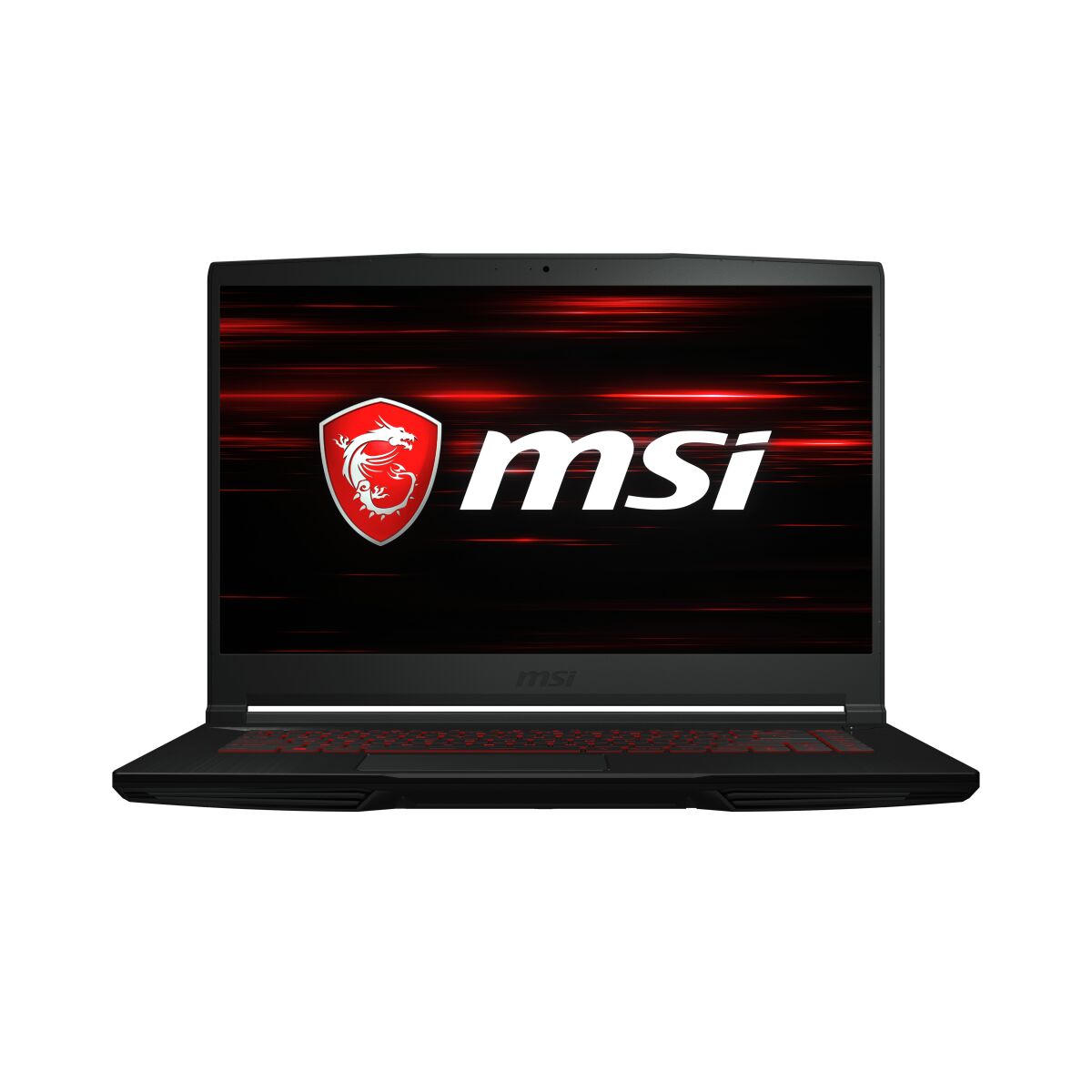
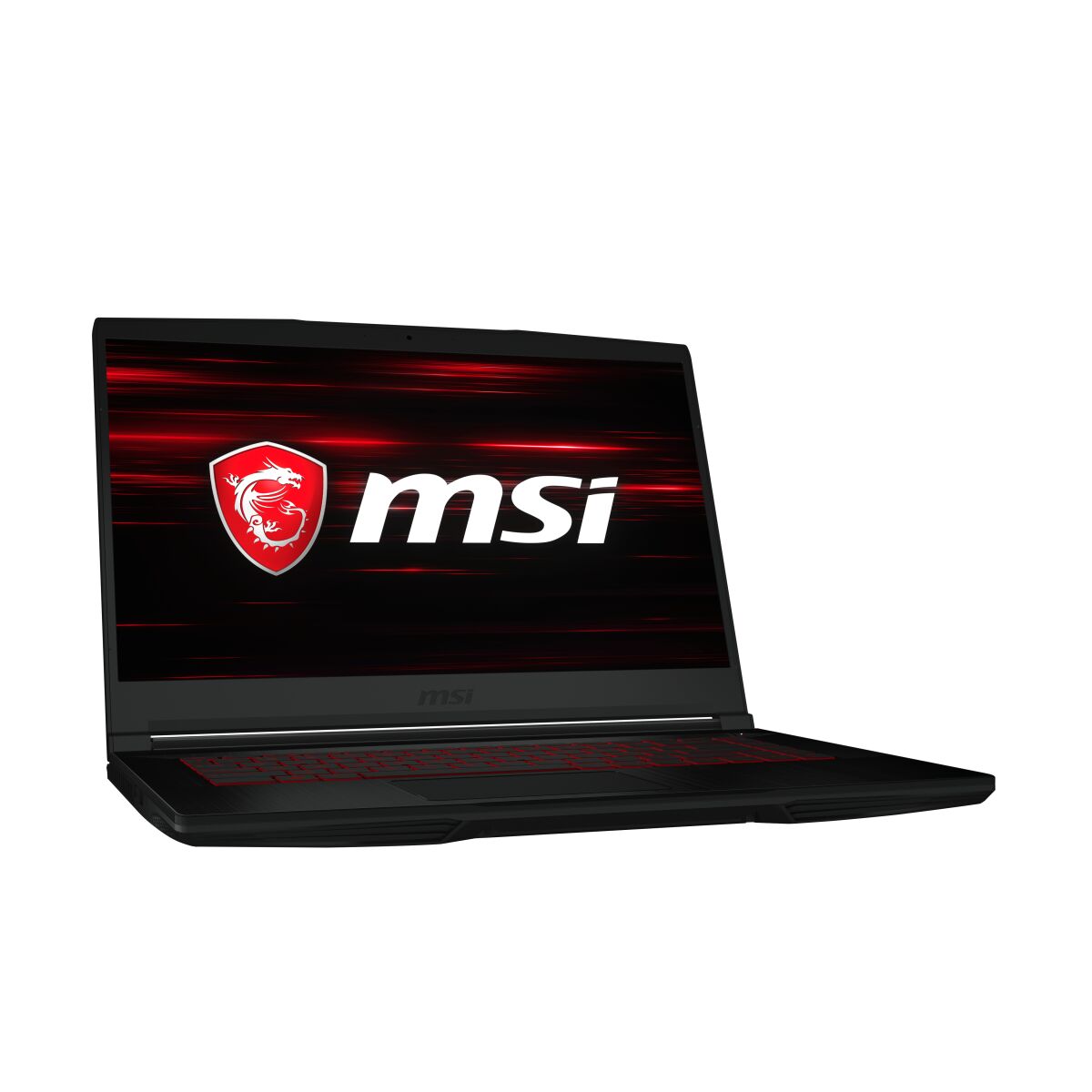
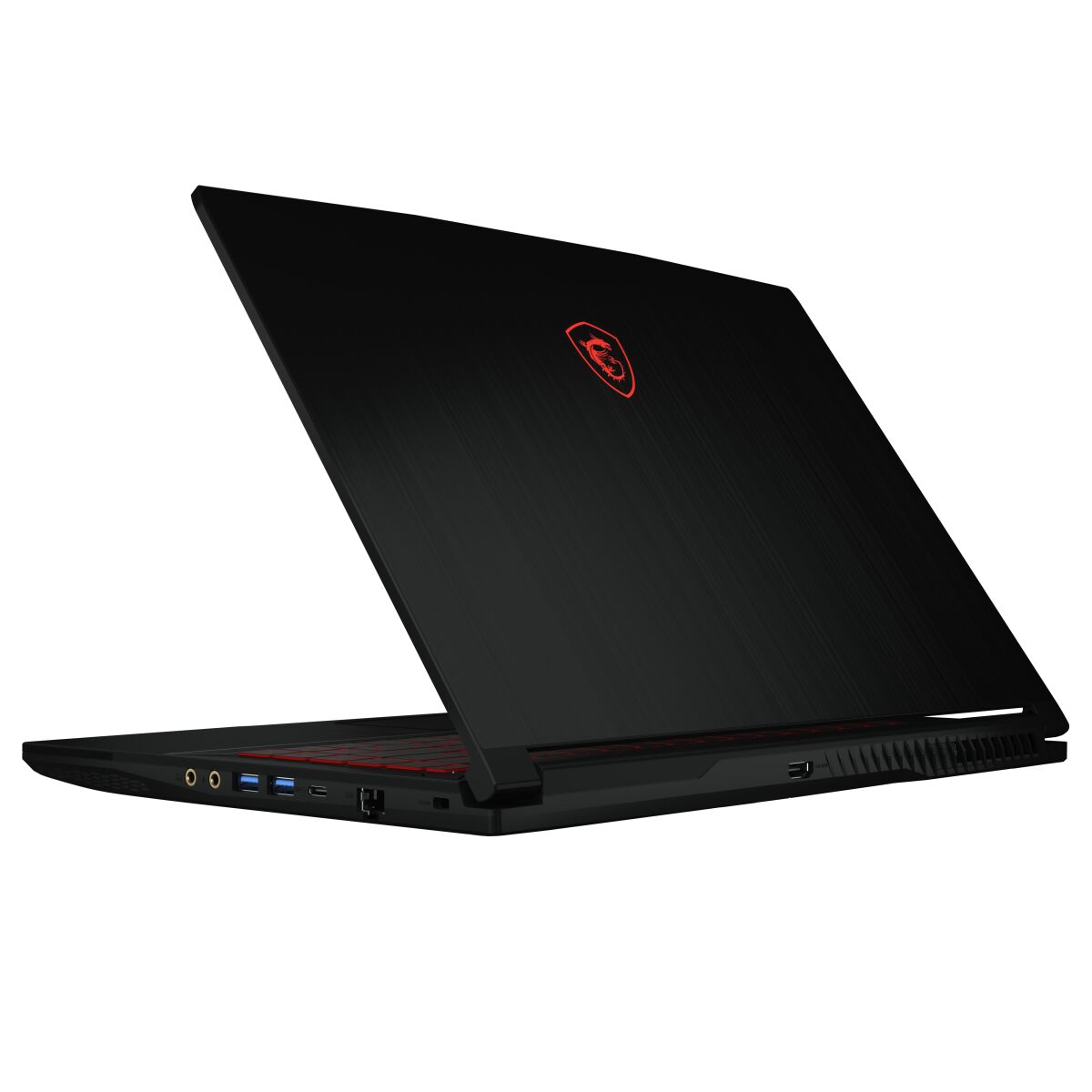
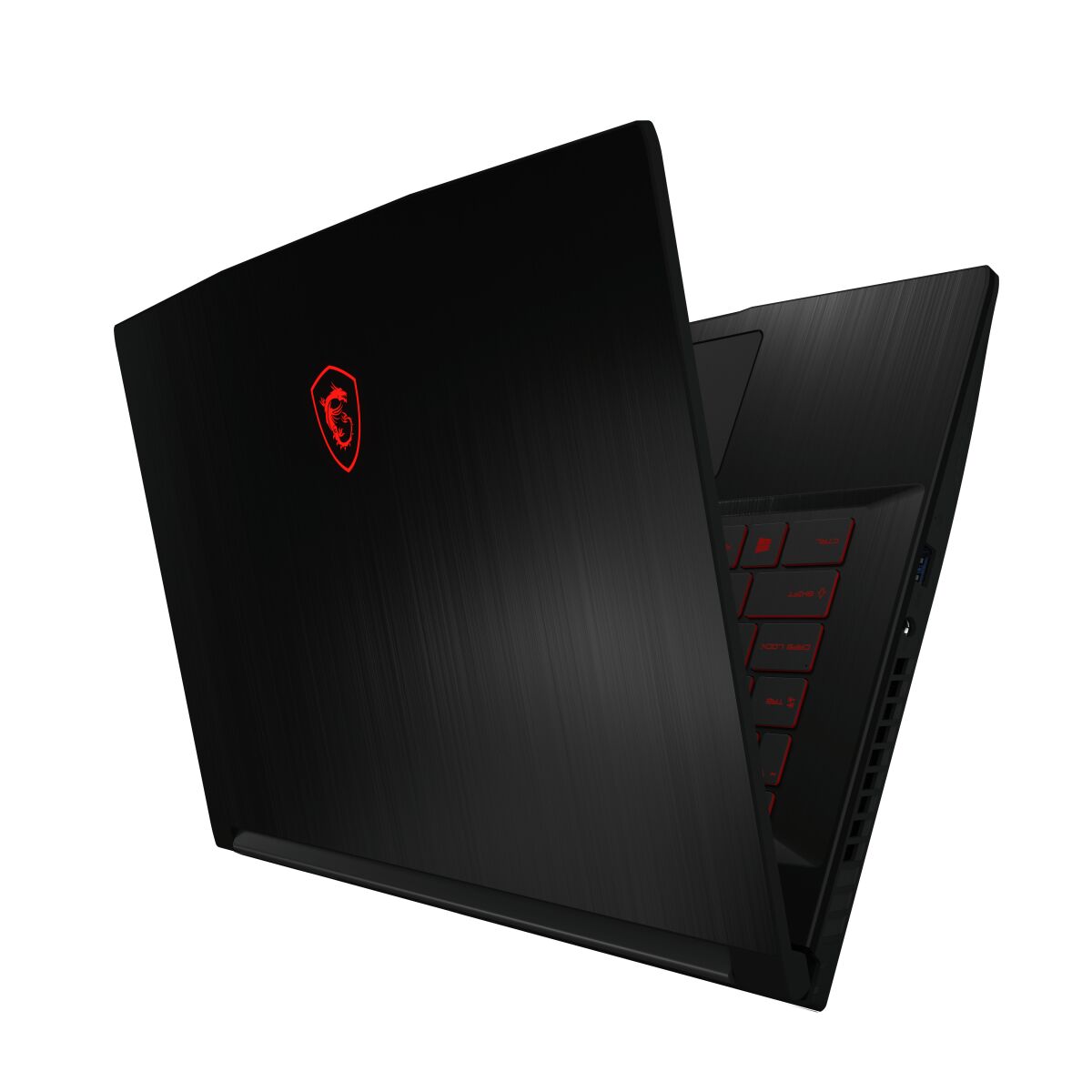
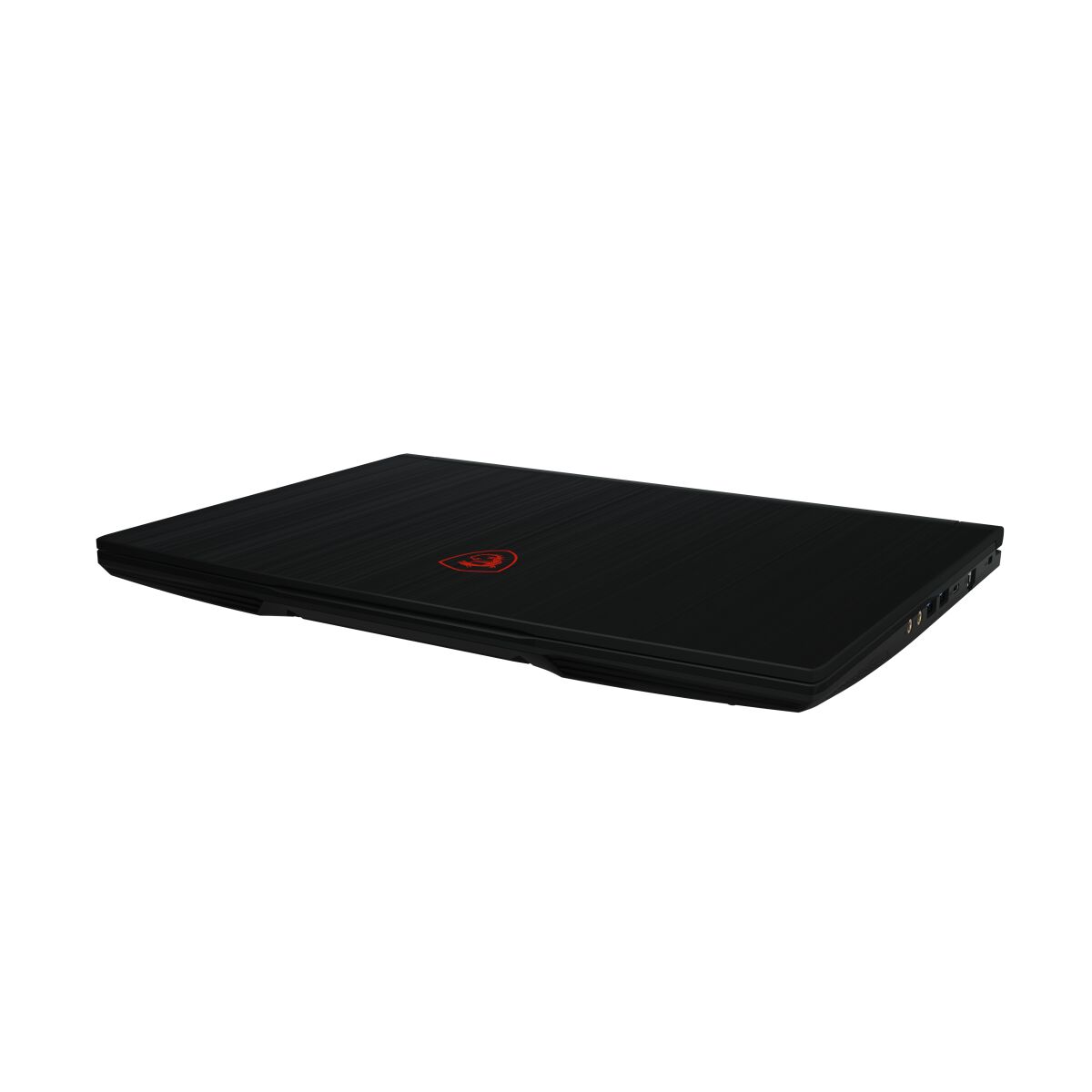
The MSI GF63 10SCSR-206 Thin gaming laptop features DDR4-SDRAM memory upgrade specifications with 2x SO-DIMM slots supporting maximum RAM capacity of 64 GB. Compatible memory operates at 2666 MHz frequency. Upgrade options utilize SO-DIMM form factor modules. The Gaming GF series model accommodates memory expansion for enhanced system performance through dual slot configuration.
Memory Upgrade Specifications
| Specification | Value |
|---|---|
| Memory slots | 2x SO-DIMM |
| Form factor | SO-DIMM |
| Memory type | DDR4-SDRAM |
| Frequency | 2666 MHz |
| Maximum RAM | 64 GB |
| Voltage | 1.2V |
| Number of pins | 260-pin |
| Interface | PC4 |
| PC Speed Rating | PC4-2666 (PC4-21328) |
| Bandwidth | 21.3 GB/s |
| Laptop Release date | 30 June 2020 |
Additional Notes
- The MSI GF63 10SCSR-206 Thin contains 2 SO-DIMM slots with no additional expansion capacity, meaning both slots must be populated to achieve maximum memory configuration and any upgrade requires removal of existing modules.
- DDR4-2666 MHz frequency represents the baseline supported speed; higher frequency DDR4 modules (3000 MHz, 3200 MHz) will downclock to 2666 MHz due to memory controller limitations in the 10th-generation Intel processor architecture, eliminating performance gains from faster specifications.
- SO-DIMM form factor dictates that only laptop-grade memory modules are compatible; desktop DDR4 UDIMM sticks cannot be installed regardless of speed or capacity matching, requiring purchase of laptop-specific memory.
- The 64 GB maximum capacity ceiling enforces a practical upgrade limit of 32 GB per slot; single 48 GB or 64 GB modules may have compatibility issues due to BIOS recognition limitations in this chassis generation, making 2x32 GB the safest warranty-compliant configuration.
- Replacing existing memory with higher-capacity modules does not void warranty under standard manufacturer policy; however, installation must follow MSI's documented procedures and any physical damage during disassembly may be excluded from coverage.
- Memory bandwidth saturation occurs when storage subsystem and GPU contend with CPU for 64-bit data paths; adding RAM beyond 32 GB produces diminishing returns in gaming workloads unless parallel processing tasks (video encoding, 3D rendering) are primary use cases.