MSI Gaming GF63 10SCSR-1205FR Thin RAM upgrade specifications
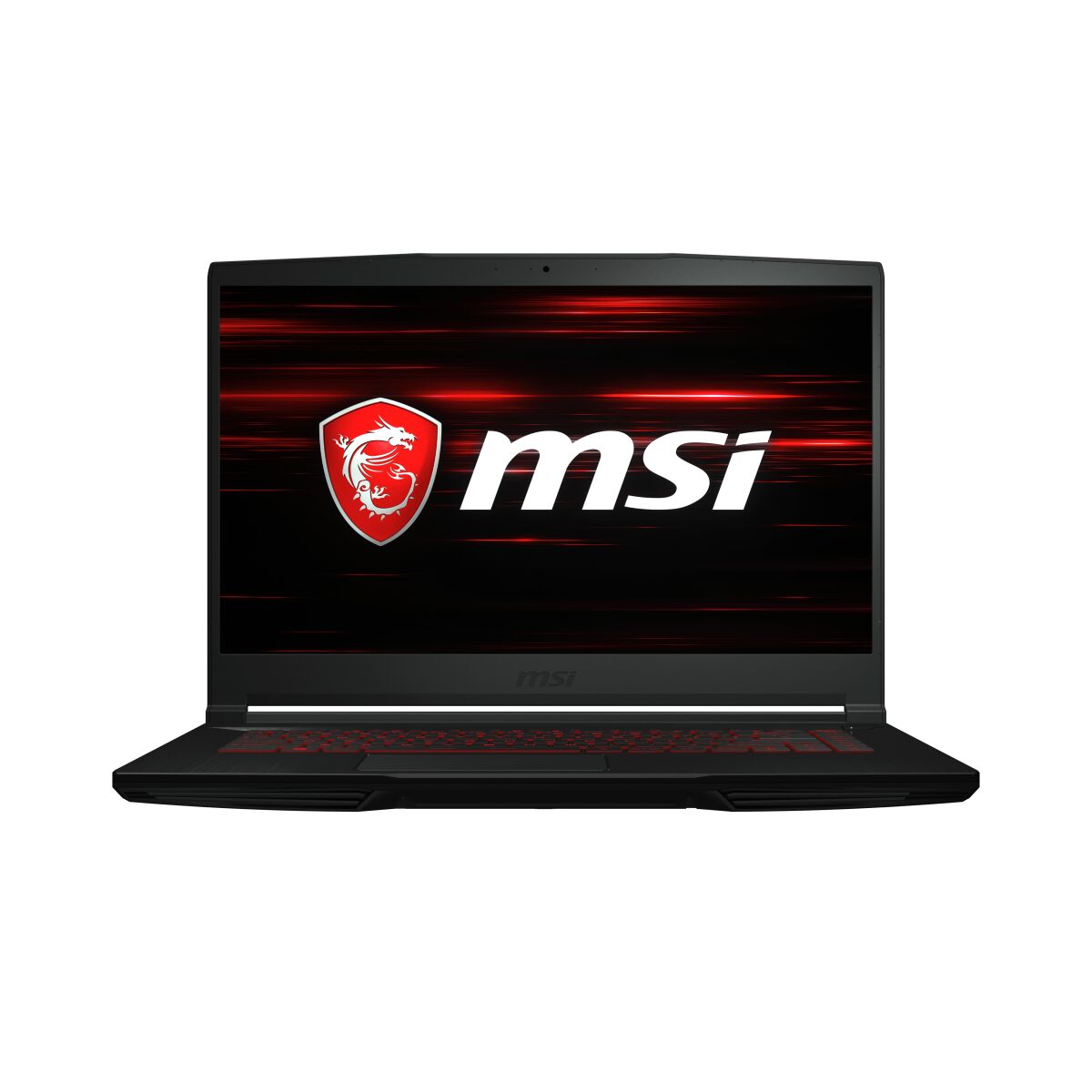
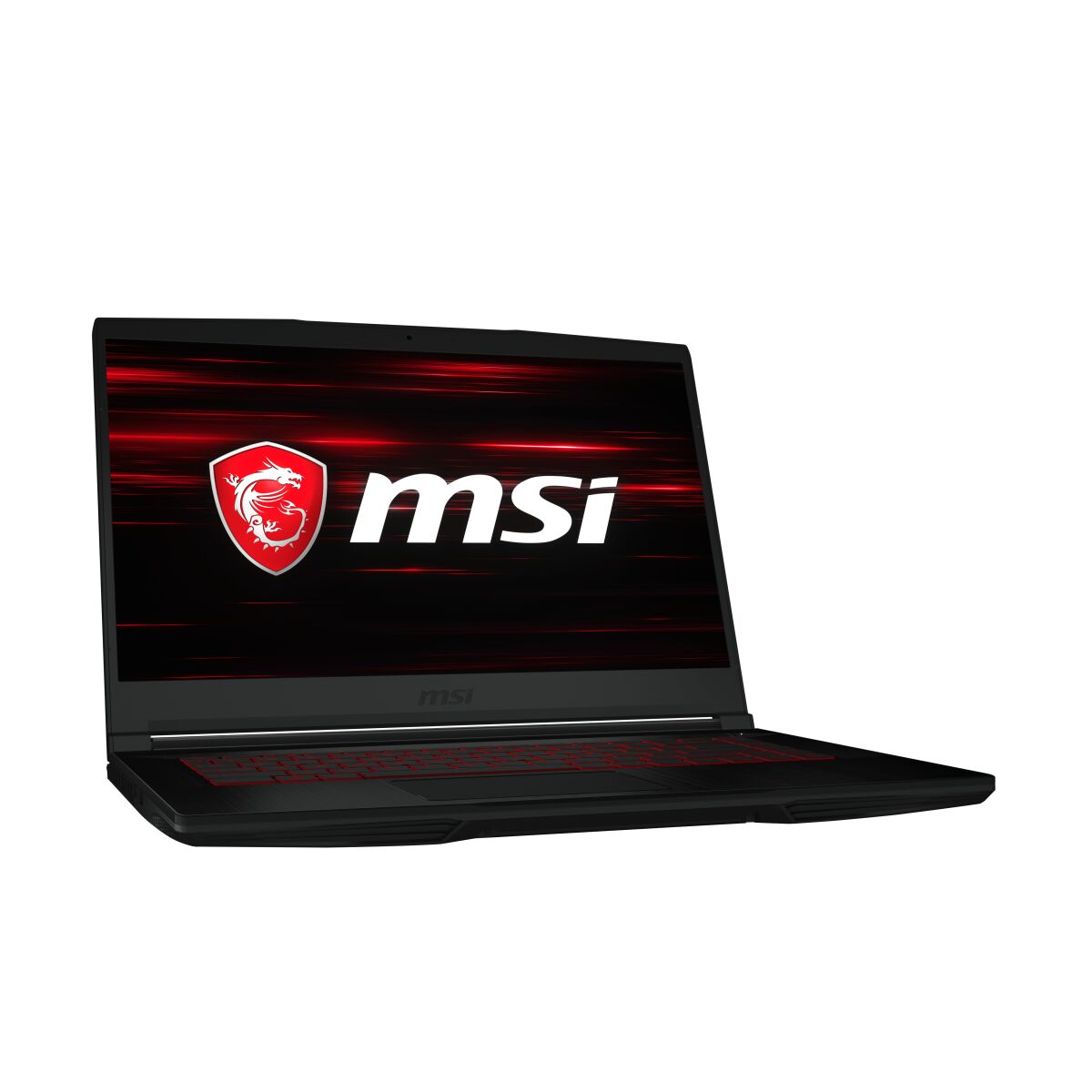
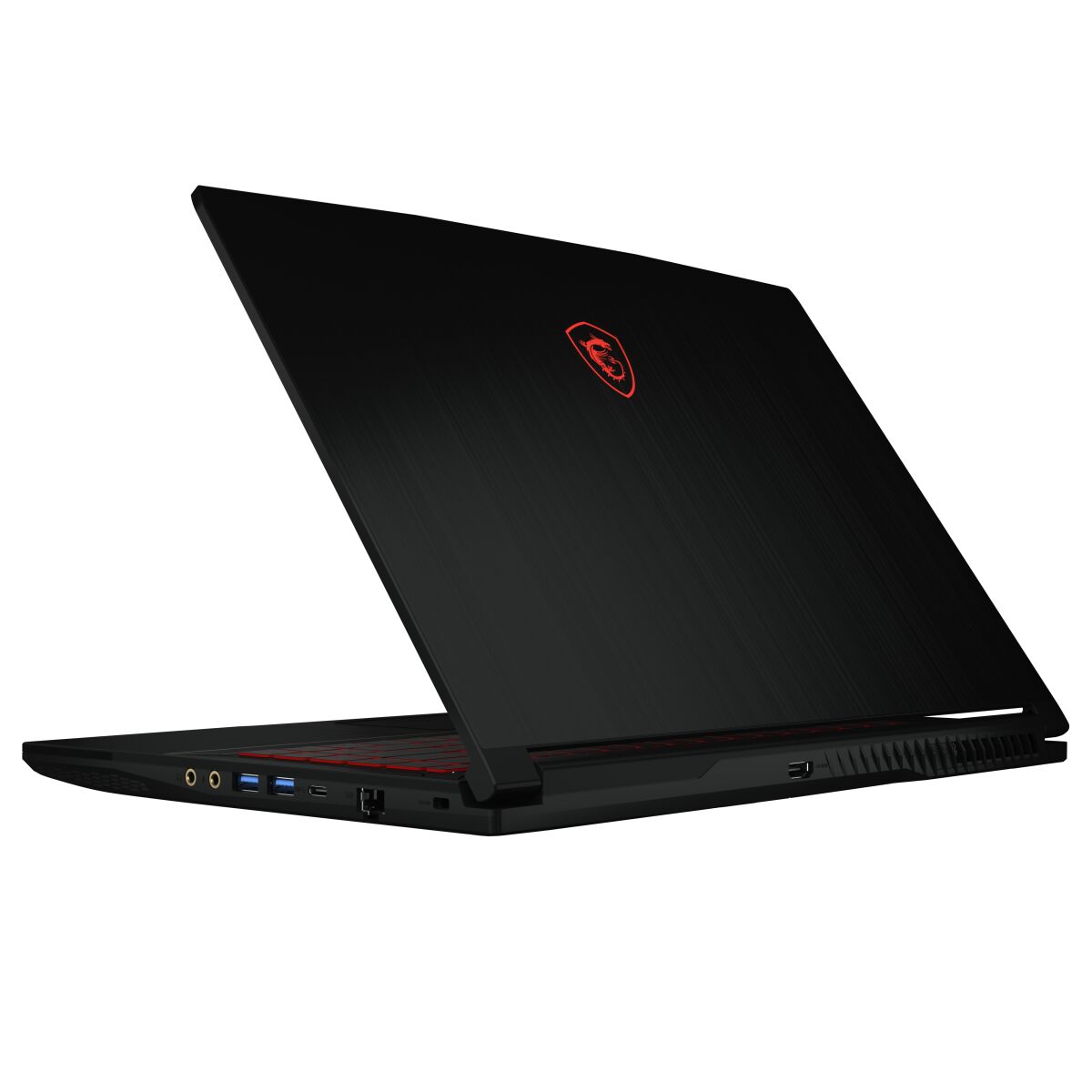
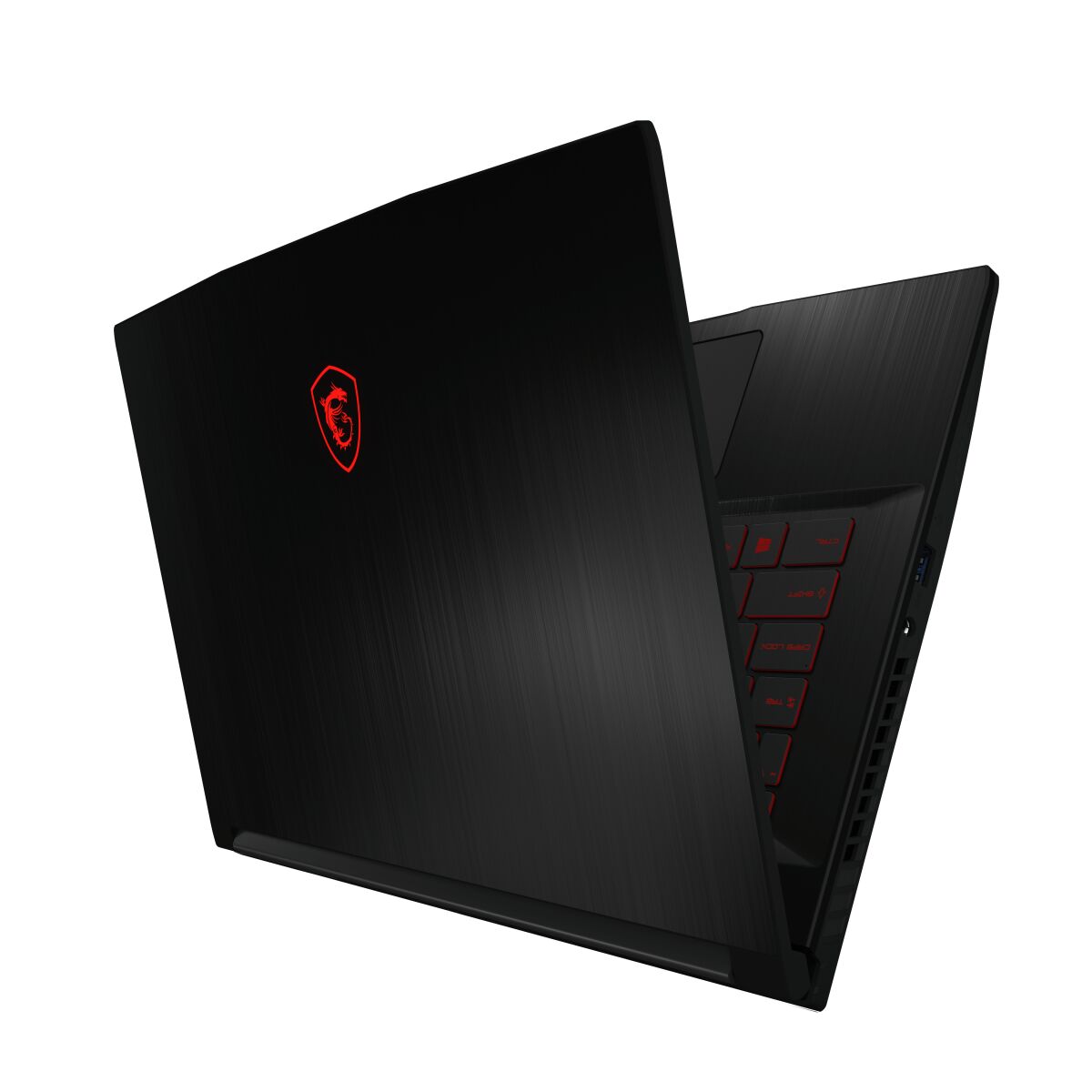
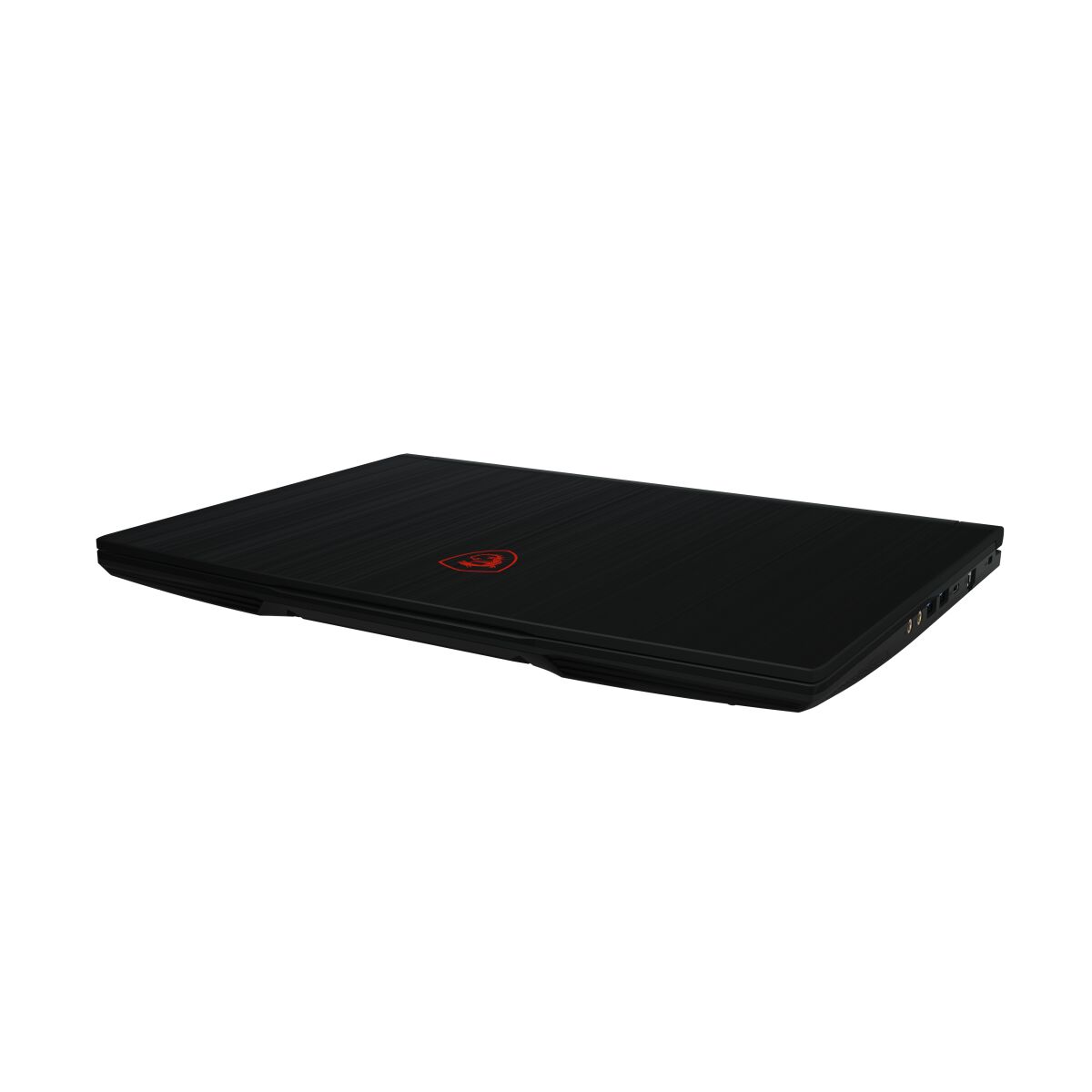
MSI GF63 10SCSR-1205FR Thin gaming laptop supports DDR4-SDRAM memory upgrades via two SO-DIMM slots. Maximum RAM capacity reaches 64 GB total, with memory operating at 2666 MHz frequency. Compatible upgrade modules use SO-DIMM form factor, enabling users to expand existing memory configurations on this GF series thin laptop model. Specifications support standard DDR4 memory modules for enhanced multitasking and performance capabilities.
Memory Upgrade Specifications
| Specification | Value |
|---|---|
| Memory slots | 2x SO-DIMM |
| Form factor | SO-DIMM |
| Memory type | DDR4-SDRAM |
| Frequency | 2666 MHz |
| Maximum RAM | 64 GB |
| Voltage | 1.2V |
| Number of pins | 260-pin |
| Interface | PC4 |
| PC Speed Rating | PC4-2666 (PC4-21328) |
| Bandwidth | 21.3 GB/s |
| Laptop Release date | 06 January 2021 |
Additional Notes
- The 2x SO-DIMM configuration limits total capacity expansion to 64 GB, requiring both slots to be populated with 32 GB modules for maximum capacity.
- DDR4-2666 MHz frequency represents the baseline specification; modules rated at 2933 MHz or 3200 MHz will operate at reduced 2666 MHz speeds due to the motherboard controller ceiling, eliminating performance gains from faster memory.
- SO-DIMM form factor is mechanically incompatible with standard UDIMM modules, restricting replacement options to laptop-grade memory only.
- The MSI GF63 10SCSR-1205FR Thin motherboard JEDEC support profile likely caps at DDR4-2666, making premium high-frequency kits economically inefficient for this platform.
- Dual-slot architecture creates a potential single point of failure; if one SO-DIMM slot becomes defective, maximum usable capacity drops to 32 GB without board-level repair.
- Upgrading from factory configuration (likely 8 GB or 16 GB single module) to 64 GB total requires purchasing 2x 32 GB SO-DIMM modules, not incremental additions, due to slot quantity constraints.
- Memory bandwidth throughput caps at approximately 42.7 GB/s (2666 MHz x 64-bit bus), which may create modest I/O bottlenecks during concurrent GPU and CPU memory operations in demanding gaming scenarios.
- Warranty coverage for RAM upgrades typically remains valid provided modules meet OEM specifications (DDR4, 2666 MHz, SO-DIMM), though installation must follow manufacturer disassembly procedures to preserve coverage terms.