MSI Gaming GF63 10SCSR-1200FRG Thin RAM upgrade specifications
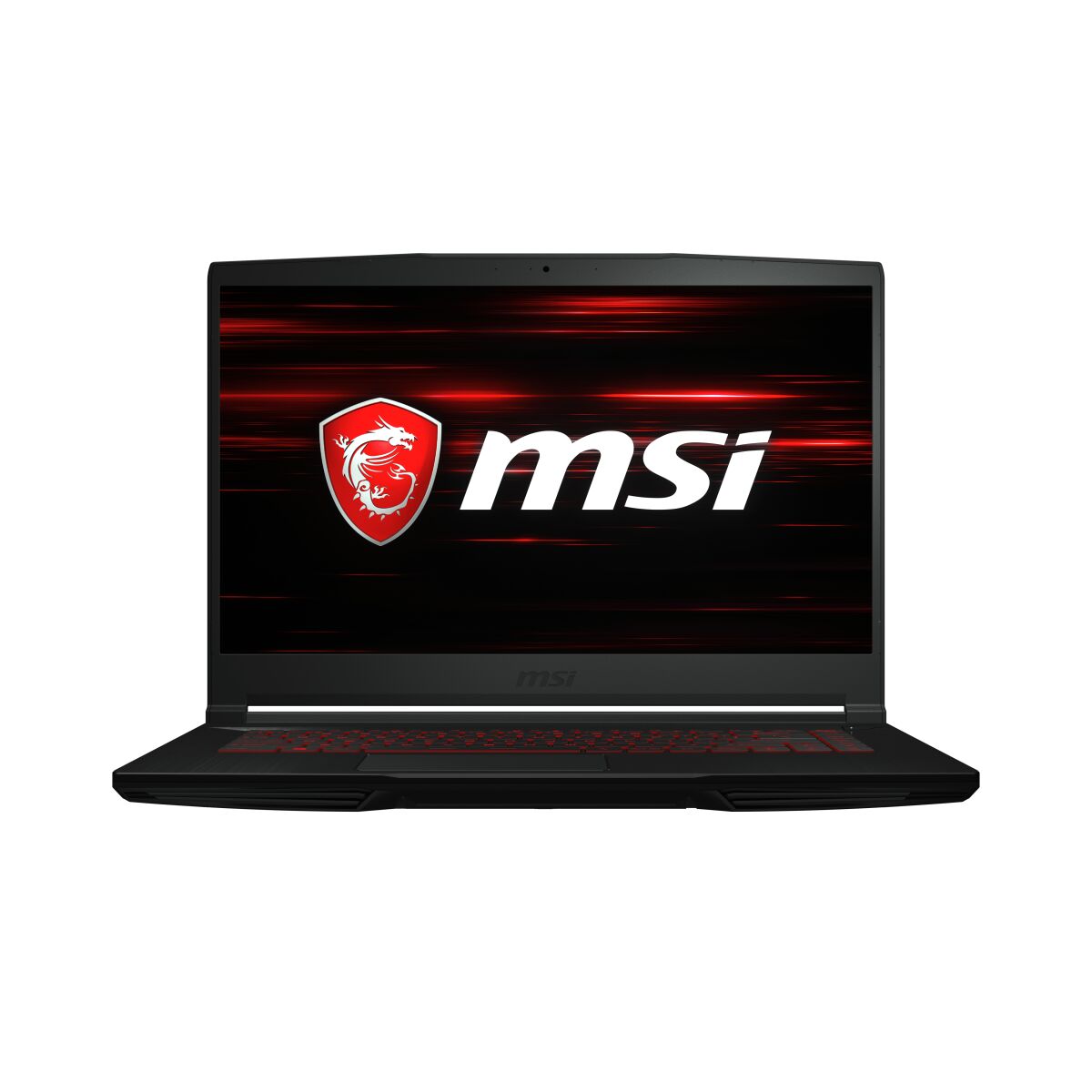
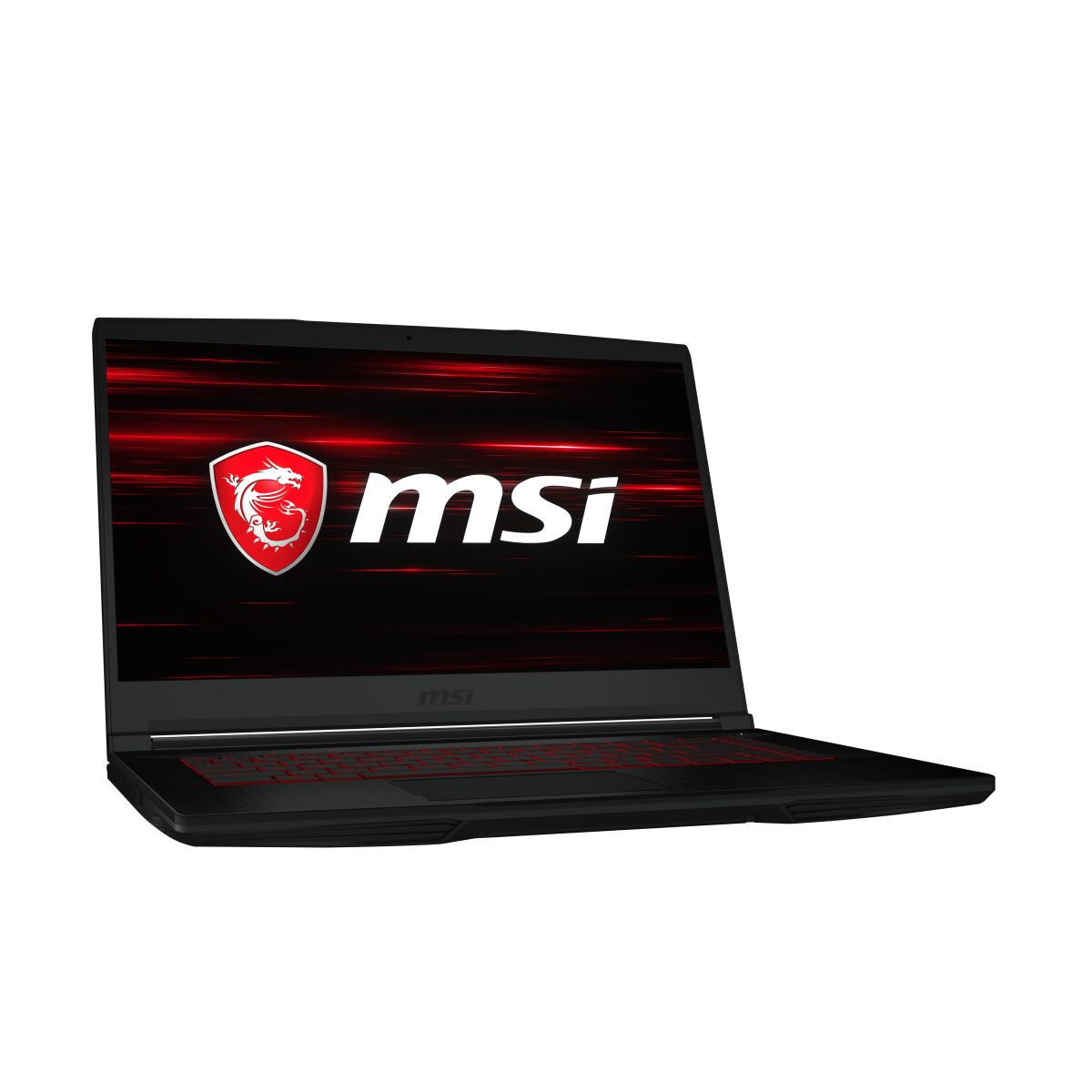

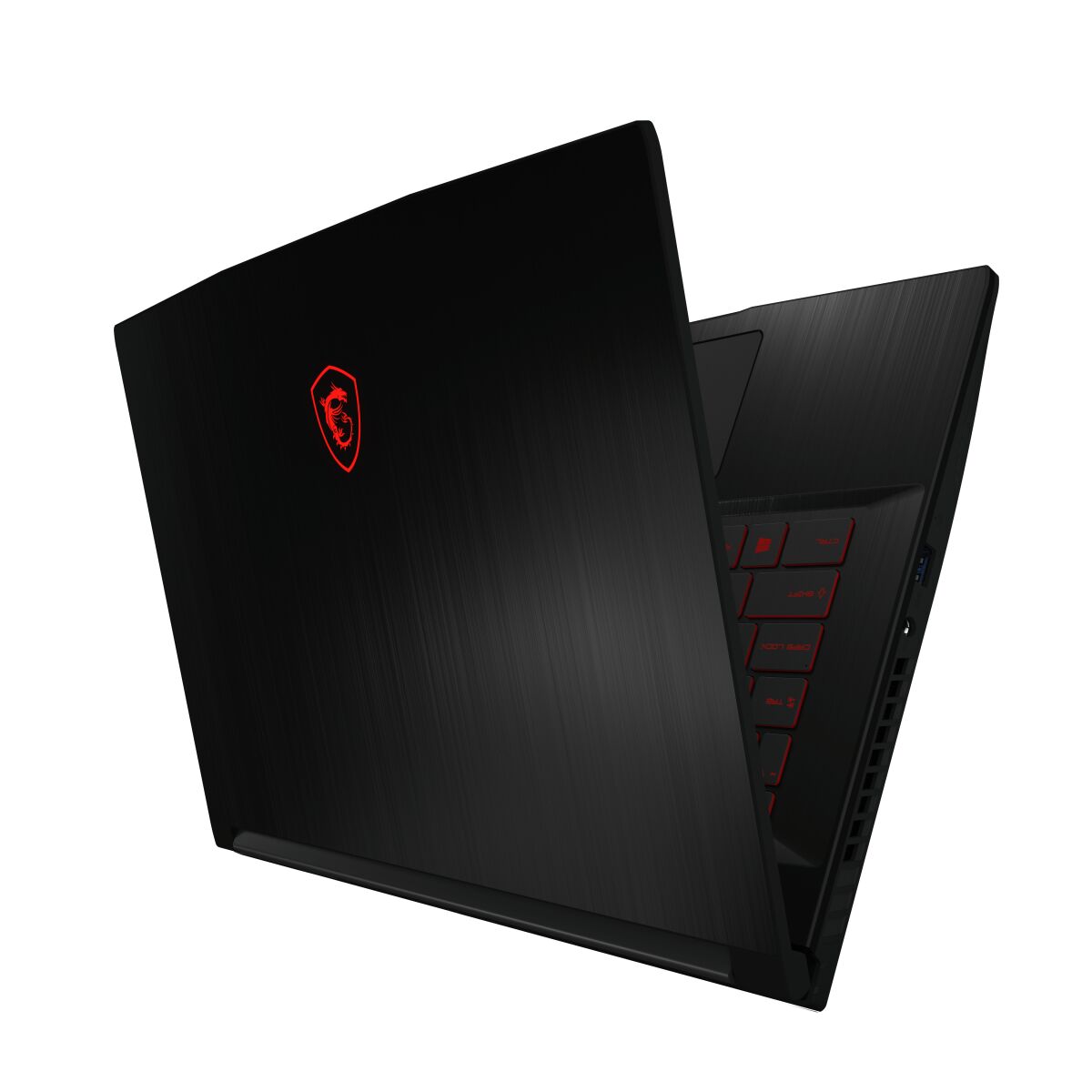
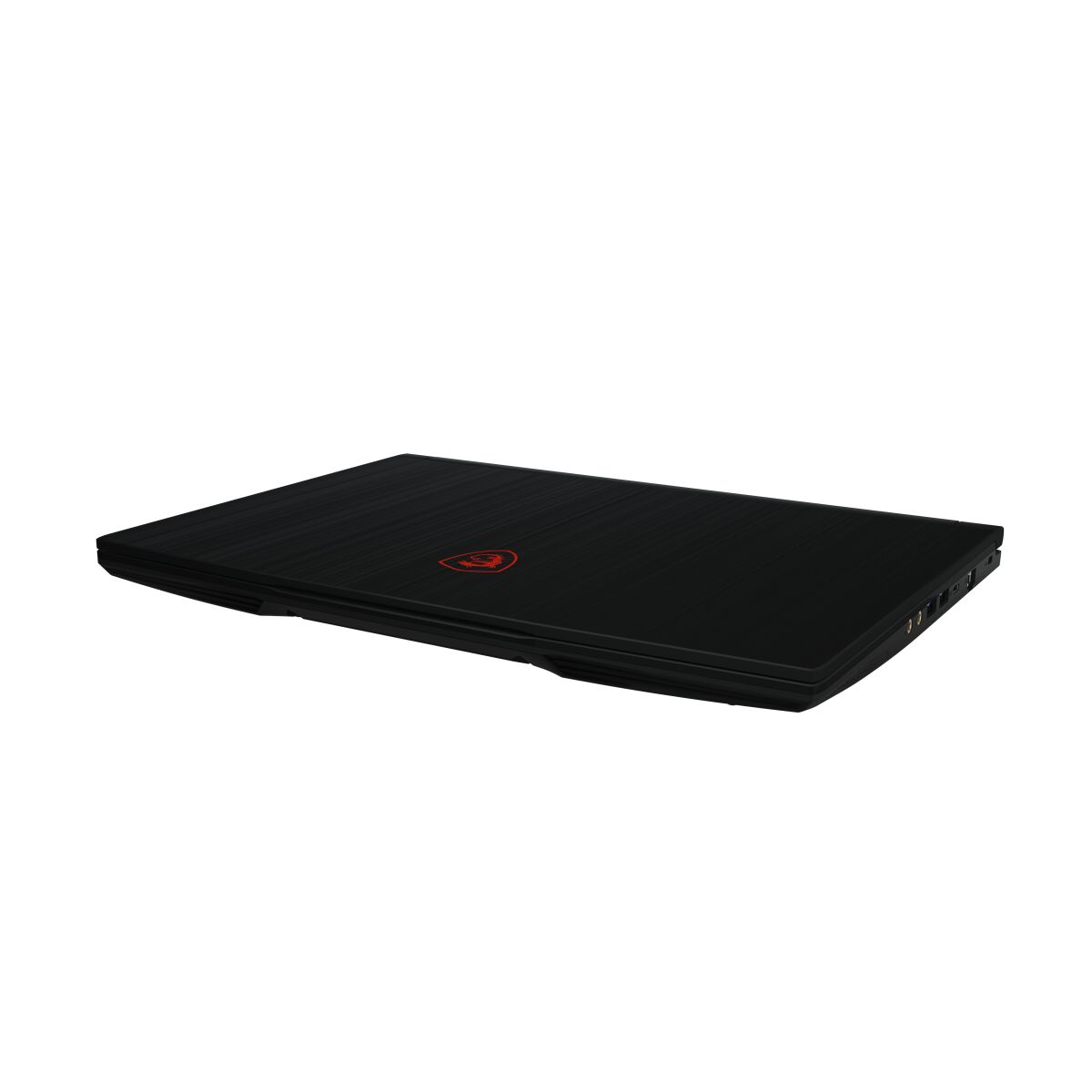
The MSI GF63 10SCSR-1200FRG Thin Gaming series laptop features DDR4-SDRAM memory upgrade specifications with 2x SO-DIMM slots supporting a maximum RAM capacity of 64 GB. Compatible memory operates at 2666 MHz frequency. The SO-DIMM form factor specifications enable RAM expansion for enhanced system performance. Users requiring memory upgrades should reference DDR4-SDRAM modules rated at 2666 MHz to maintain compatibility with this MSI Gaming GF series model.
Memory Upgrade Specifications
| Specification | Value |
|---|---|
| Memory slots | 2x SO-DIMM |
| Form factor | SO-DIMM |
| Memory type | DDR4-SDRAM |
| Frequency | 2666 MHz |
| Maximum RAM | 64 GB |
| Voltage | 1.2V |
| Number of pins | 260-pin |
| Interface | PC4 |
| PC Speed Rating | PC4-2666 (PC4-21328) |
| Bandwidth | 21.3 GB/s |
| Laptop Release date | 04 December 2020 |
Additional Notes
- The MSI GF63 10SCSR-1200FRG Thin supports dual-channel memory architecture through its 2 SO-DIMM slots, enabling bandwidth improvements of up to 128-bit when populated with matching modules.
- Native JEDEC frequency of 2666 MHz indicates compatibility with DDR4-2666, DDR4-2400, and DDR4-2133 modules, though higher-rated modules will downclock to the chipset's supported maximum.
- The 64 GB maximum capacity requires 2 modules of 32 GB each in matched configuration to maintain dual-channel operation and avoid asymmetric performance penalties.
- Intel 10th generation mobile platforms typically lock memory frequency at 2933 MHz for Core i7 processors and 2666 MHz for Core i5 processors, creating a ceiling regardless of installed module specifications.
- SO-DIMM voltage specification for this generation defaults to 1.2V, making low-voltage DDR4L modules the required standard rather than desktop 1.35V or 1.5V variants.
- Memory controller limitations on this platform may restrict XMP profile activation, forcing modules to operate at JEDEC standard timings even when higher-performance profiles exist.
- Single-slot population halves memory bandwidth to 64-bit single-channel mode, creating measurable performance degradation in integrated graphics workloads and memory-intensive applications.
- Module height restrictions in thin chassis designs typically require standard 30mm SO-DIMM profiles, excluding taller modules with extended heat spreaders.
- Warranty preservation requires non-destructive installation, though most manufacturers classify memory upgrades as user-serviceable when accessed through dedicated bottom panel compartments.
- Mixing module capacities maintains functionality but forces the system into flex mode or single-channel operation depending on configuration, eliminating symmetrical dual-channel benefits.