MSI Gaming GF63 10SCSR-1055UK Thin RAM upgrade specifications



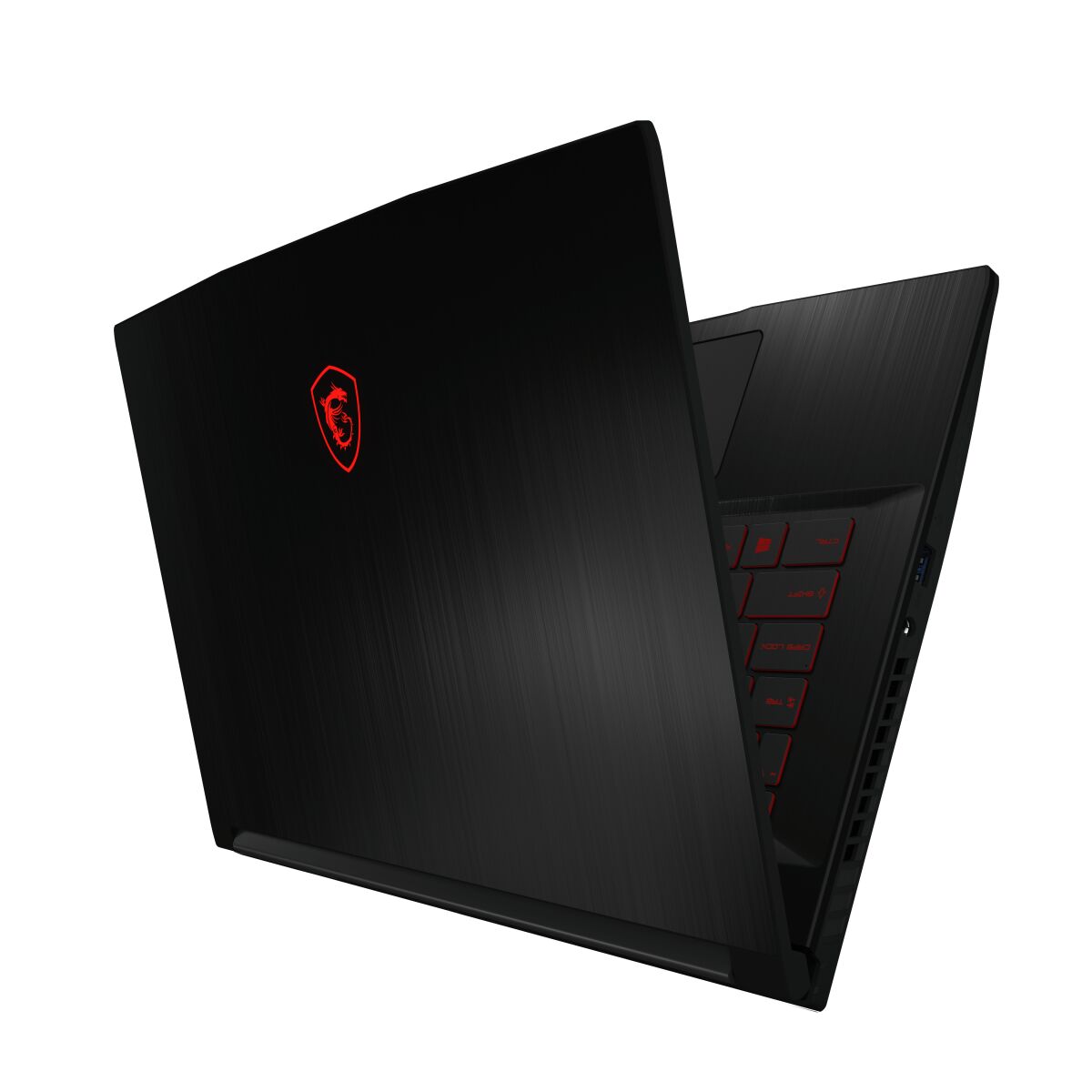
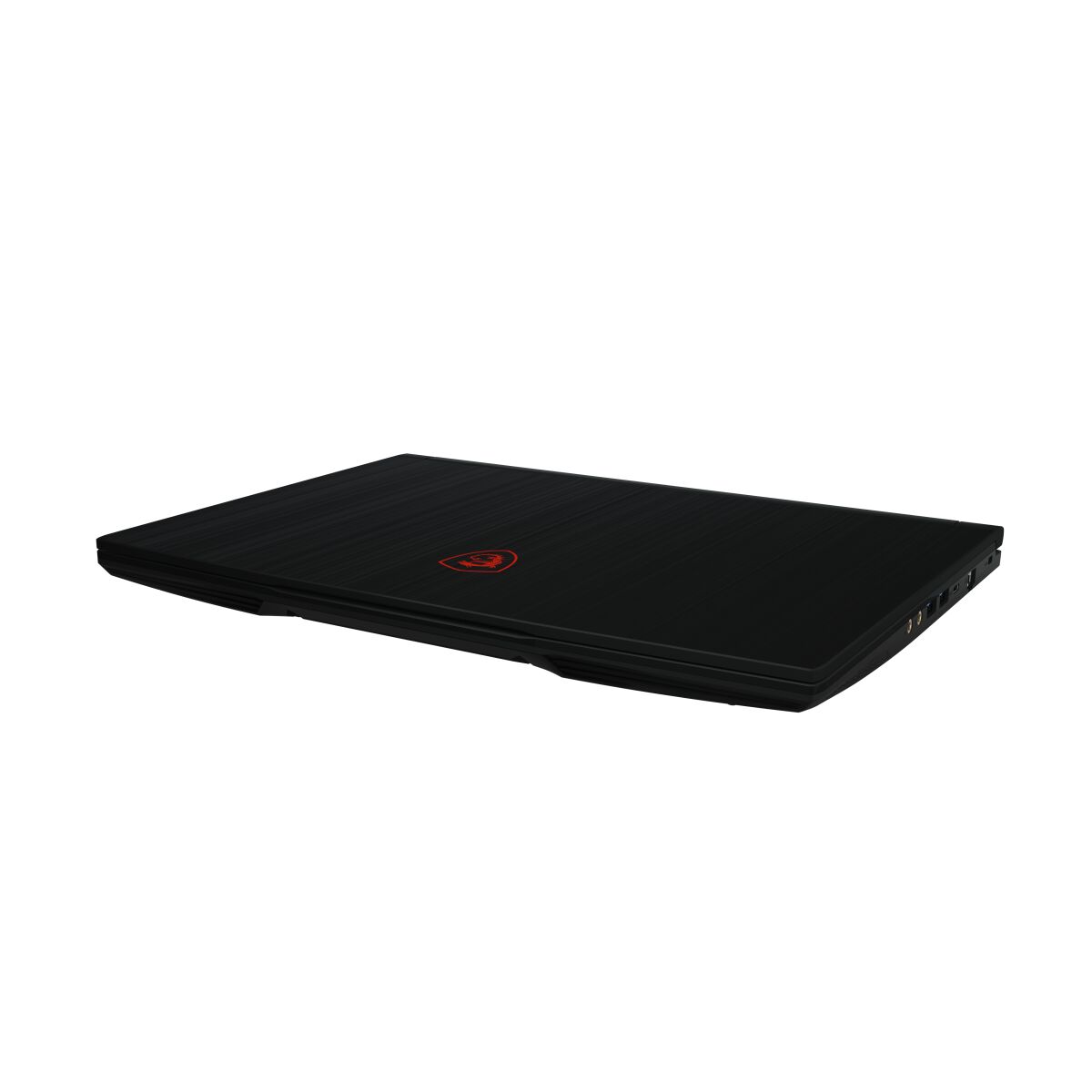
MSI GF63 10SCSR-1055UK Thin gaming laptop features DDR4-SDRAM memory upgrade specifications. The device contains 2x SO-DIMM slots supporting maximum RAM capacity of 64 GB. Compatible memory operates at 2666 MHz frequency with SO-DIMM form factor. Upgrade specifications enable expansion from baseline configuration to maximum 64 GB total capacity through compatible DDR4 modules installed in available slots.
Memory Upgrade Specifications
| Specification | Value |
|---|---|
| Memory slots | 2x SO-DIMM |
| Form factor | SO-DIMM |
| Memory type | DDR4-SDRAM |
| Frequency | 2666 MHz |
| Maximum RAM | 64 GB |
| Voltage | 1.2V |
| Number of pins | 260-pin |
| Interface | PC4 |
| PC Speed Rating | PC4-2666 (PC4-21328) |
| Bandwidth | 21.3 GB/s |
| Laptop Release date | 26 November 2020 |
Additional Notes
- The MSI GF63 10SCSR-1055UK Thin supports DDR4 modules operating at frequencies higher than 2666 MHz, but such modules will downclock to match the system's native frequency ceiling, eliminating any performance benefit from premium-speed RAM kits.
- Both memory slots accept standard 260-pin SO-DIMM modules, which measure 69.6 mm in length and require approximately 30 mm of vertical clearance above the socket for installation.
- A 64 GB configuration necessitates two 32 GB modules installed in dual-channel mode, as single 64 GB SO-DIMM modules remain commercially unavailable for consumer DDR4 platforms.
- The dual-channel architecture requires matched module pairs in both slots to achieve optimal memory bandwidth, with mismatched capacities forcing the controller into asymmetric or single-channel operation that reduces throughput by approximately 50 percent.
- Mixing modules with different primary timings or voltage specifications may trigger stability issues or force the system to adopt the slowest common denominator across all installed sticks.
- DDR4-2666 operates at 1.2 volts standard specification, and installing modules rated for higher voltages without BIOS support for XMP profiles may result in POST failures or unstable boot sequences.
- The bottom-access panel design typical of thin gaming chassis requires complete system shutdown and battery disconnection before accessing memory slots to avoid electrical discharge damage to the SO-DIMM interface.
- Installing non-standard height modules exceeding 31 mm may create physical interference with the keyboard assembly or thermal cooling apparatus positioned directly above the memory bay.
- Warranty preservation typically requires avoiding unauthorized module combinations that exceed thermal design parameters, particularly kits marketed for overclocking or those lacking JEDEC compliance certification.
- The 2666 MHz frequency represents a DDR4-2666 JEDEC standard with CL19 latency as the most common timing profile, resulting in absolute latency of approximately 14.3 nanoseconds for first-word access.