MSI Gaming GF63 10SCSR-027IT Thin RAM upgrade specifications



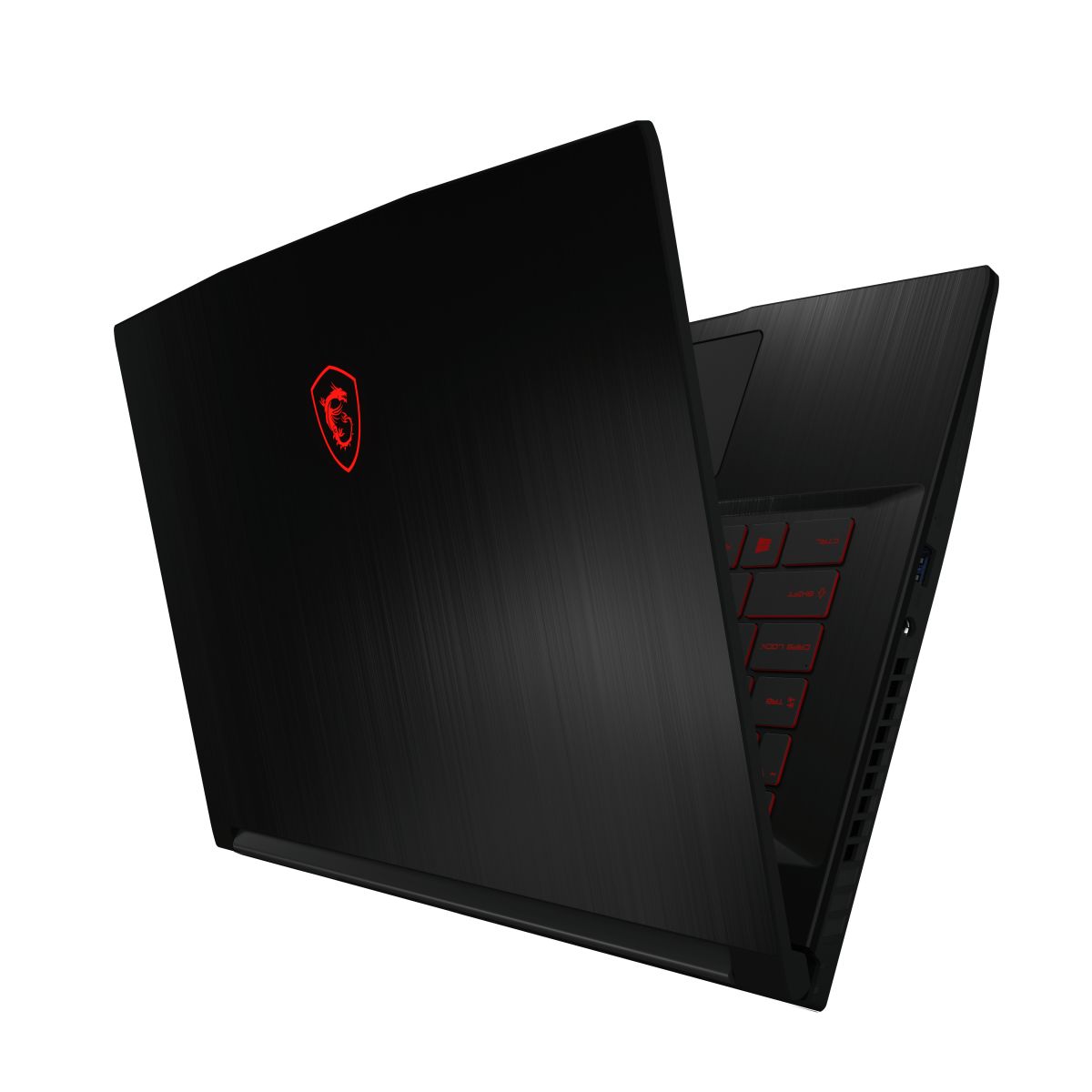
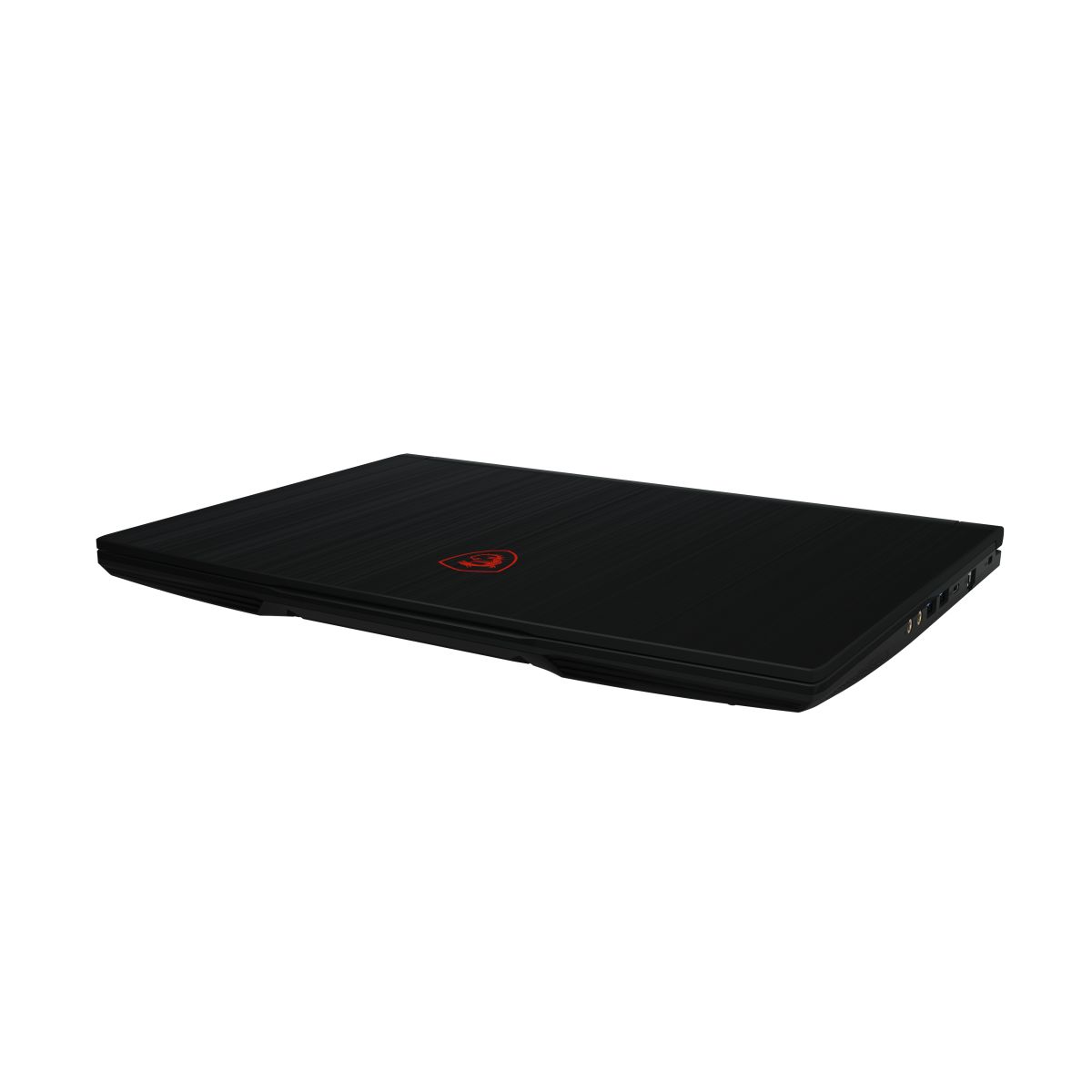
The MSI GF63 10SCSR-027IT Thin Gaming series laptop features DDR4-SDRAM memory upgrade specifications with 2x SO-DIMM slots supporting a maximum RAM capacity of 64 GB. Compatible memory modules operate at 2666 MHz frequency utilizing SO-DIMM form factor. The upgrade specifications enable users to expand the laptop's memory capacity for enhanced multitasking and performance capabilities.
Memory Upgrade Specifications
| Specification | Value |
|---|---|
| Memory slots | 2x SO-DIMM |
| Form factor | SO-DIMM |
| Memory type | DDR4-SDRAM |
| Frequency | 2666 MHz |
| Maximum RAM | 64 GB |
| Voltage | 1.2V |
| Number of pins | 260-pin |
| Interface | PC4 |
| PC Speed Rating | PC4-2666 (PC4-21328) |
| Bandwidth | 21.3 GB/s |
| Laptop Release date | 16 April 2020 |
Additional Notes
- The MSI GF63 10SCSR-027IT Thin uses laptop-class SO-DIMM slots rather than full-size DIMMs, restricting upgrade options to mobile memory modules and preventing use of desktop RAM.
- Stock frequency of 2666 MHz indicates the system operates below contemporary DDR4 standards; upgrading to faster modules (3200 MHz or higher) will not improve performance unless the BIOS and 10th-generation Intel processor explicitly support JEDEC or XMP profiles at higher speeds, likely resulting in frequency throttling to native 2666 MHz.
- Two SO-DIMM slots with 64 GB maximum capacity require both slots to be populated with matching 32 GB modules to reach the upper limit; mixed-capacity configurations (e.g., 16 GB + 32 GB) function but may reduce stability or lock performance to the slower module's specifications.
- Upgrading beyond the original capacity requires removal of existing modules; no slot remains available for additive installation without replacing or removing a current DIMM.
- SO-DIMM modules occupy minimal physical space beneath the keyboard deck; installation requires partial disassembly of the palm rest area, and tight internal clearances may affect heatspreader height compatibility on third-party modules.
- Memory timing and latency specifications for 2666 MHz DDR4 modules vary between manufacturers; modules rated for CAS latency 17 or higher may exhibit compatibility flags during POST even though they remain functional at reduced timings.
- Factory configuration likely uses single-channel or asymmetric dual-channel operation; upgrading to matched pairs enables full dual-channel bandwidth, doubling memory throughput from approximately 21 GB/s to 42 GB/s.