MSI Gaming GF63 10SCSR-048 Thin RAM upgrade specifications
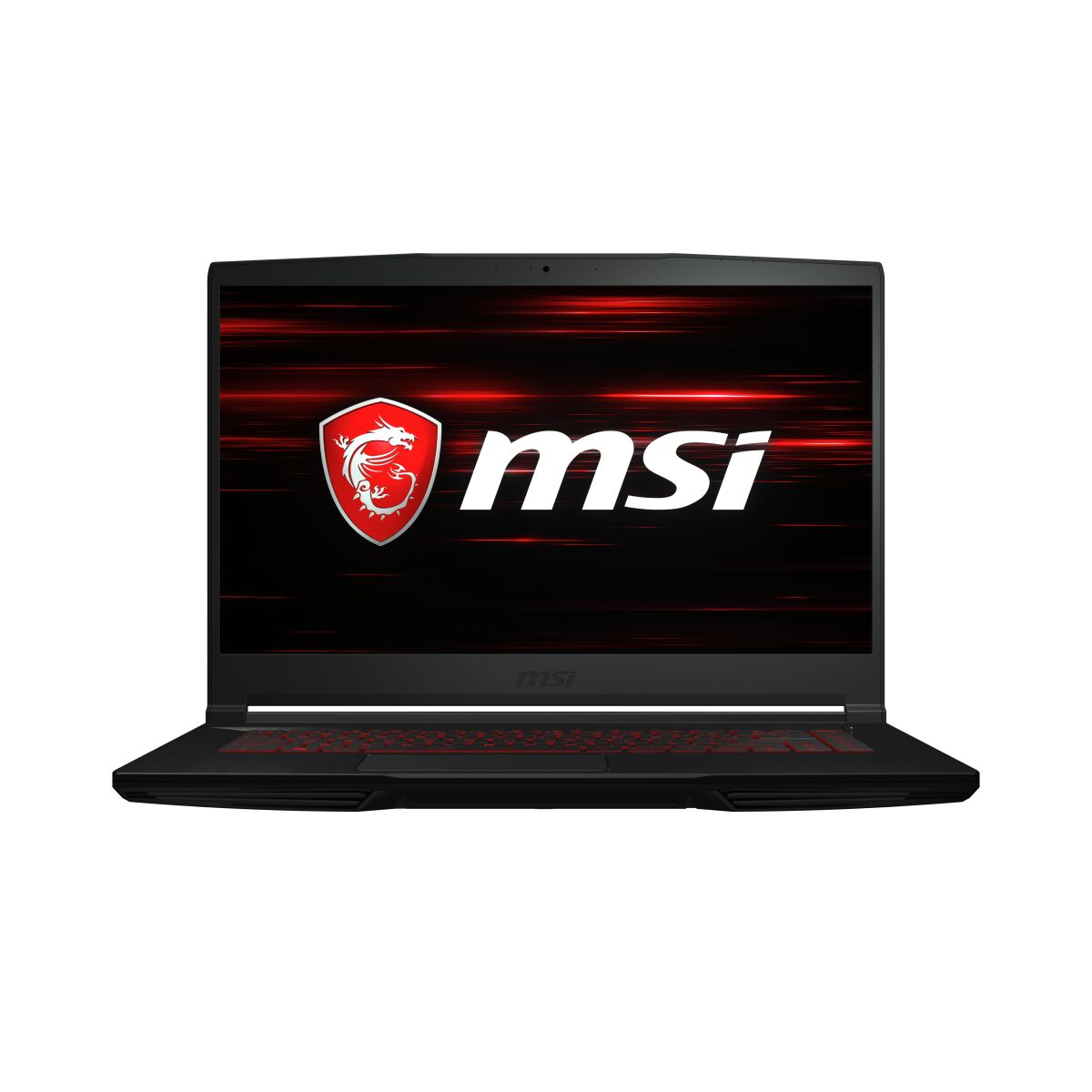


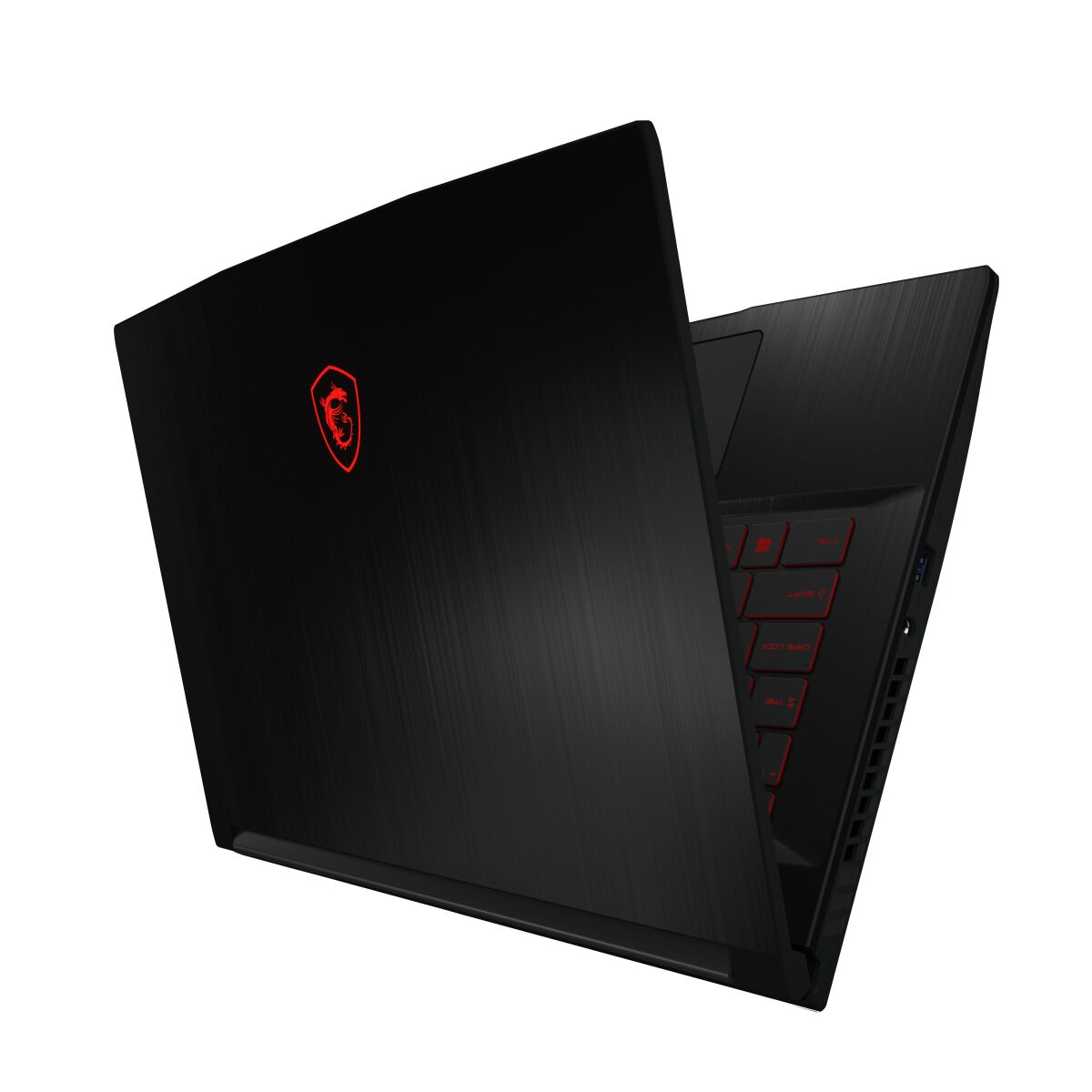
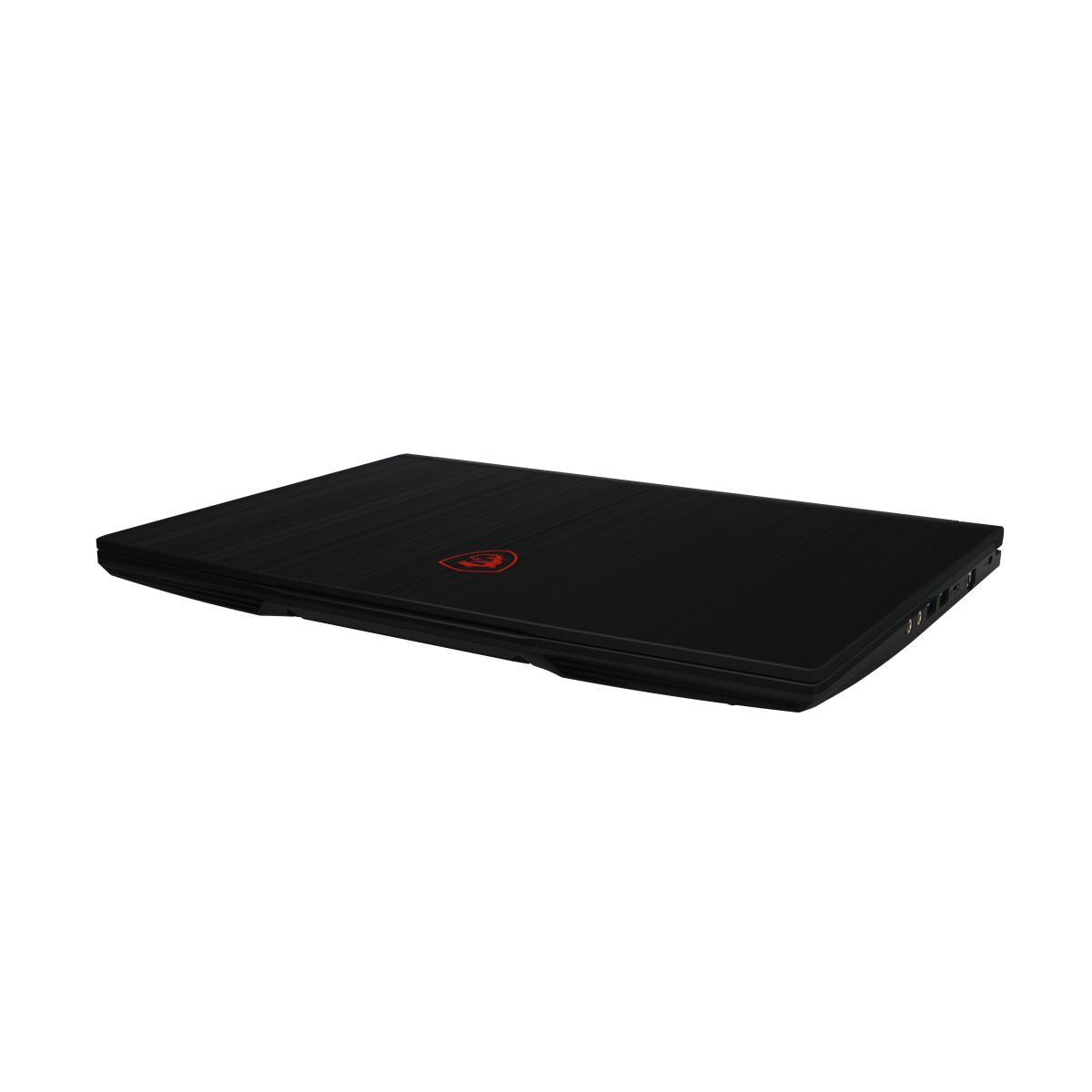
MSI GF63 10SCSR-048 Thin Gaming series laptop supports DDR4-SDRAM memory upgrade through two SO-DIMM slots. Maximum RAM capacity reaches 64 GB total with compatible DDR4 modules operating at 2666 MHz frequency. Upgrade specifications indicate SO-DIMM form factor memory modules are required for the GF63 10SCSR-048 Thin model, enabling users to expand system memory from factory configuration to maximum supported capacity of 64 GB across both memory slots.
Memory Upgrade Specifications
| Specification | Value |
|---|---|
| Memory slots | 2x SO-DIMM |
| Form factor | SO-DIMM |
| Memory type | DDR4-SDRAM |
| Frequency | 2666 MHz |
| Maximum RAM | 64 GB |
| Voltage | 1.2V |
| Number of pins | 260-pin |
| Interface | PC4 |
| PC Speed Rating | PC4-2666 (PC4-21328) |
| Bandwidth | 21.3 GB/s |
| Laptop Release date | 19 July 2020 |
Additional Notes
- The 2666 MHz specification represents the maximum officially supported frequency, meaning faster modules rated at 2933 MHz or 3200 MHz will downclock to this speed.
- DDR4 SO-DIMM modules must operate within JEDEC voltage standards of 1.2V, as gaming laptops typically lack BIOS options to adjust memory voltage for XMP profiles.
- Dual-channel configuration requires matched pairs in both slots to achieve maximum memory bandwidth, while mismatched capacities will force single-channel operation or run only the smaller capacity in dual-channel mode.
- The 64 GB maximum capacity indicates chipset support for high-density modules, specifically requiring 2x32 GB SO-DIMM sticks rather than older 16 GB maximum-per-slot limitations.
- Installation requires bottom panel removal on the MSI GF63 10SCSR-048 Thin, which may void certain regional warranties if security seals are broken during the process.
- Memory populated in only one slot will halve graphics performance in integrated GPU scenarios due to single-channel bandwidth restrictions, though discrete GPU performance remains largely unaffected.
- Mixing ranks (single-rank with dual-rank modules) can cause stability issues or force the system to run all modules at the lowest common rank configuration.
- Heat dissipation in the thin chassis design makes low-profile SO-DIMM modules without tall heat spreaders the only physically compatible option for clearance under the keyboard assembly.
- The CL19 latency typical of 2666 MHz JEDEC standard modules introduces approximately 14.3 nanoseconds of true latency, compared to 15 nanoseconds for faster 3200 MHz CL22 modules running at downclocked speeds.
- Non-ECC unbuffered memory represents the only compatible architecture, as SO-DIMM ECC modules will either fail POST or disable error correction features in consumer chipsets.