MSI Gaming GF63 10SC-664XFR Thin RAM upgrade specifications




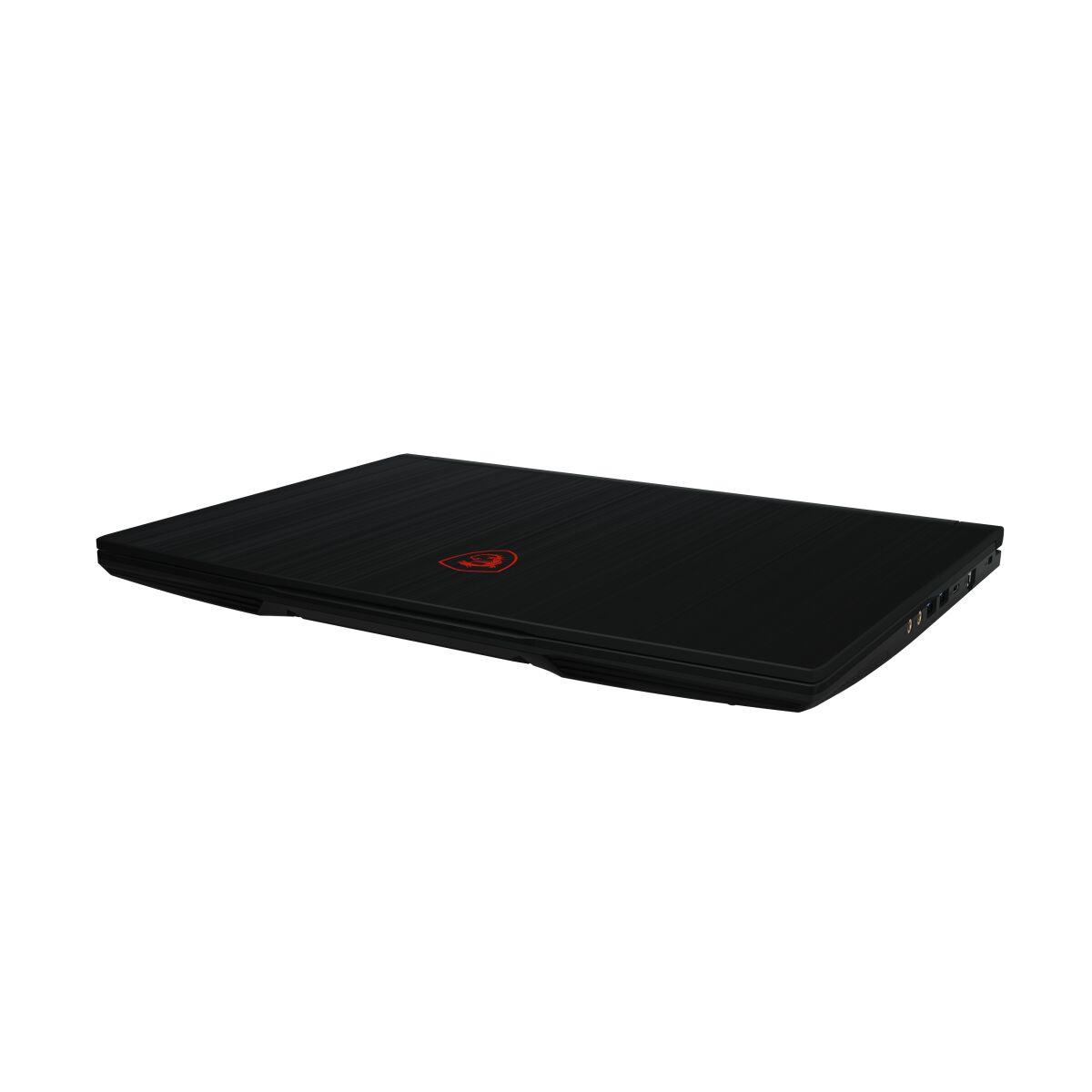
MSI GF63 10SC-664XFR Thin laptop features two SO-DIMM slots for DDR4-SDRAM memory upgrade. Maximum RAM capacity reaches 64 GB at 2666 MHz frequency. Current specifications support DDR4 memory modules in SO-DIMM form factor. Upgrade compatibility includes standard DDR4 SO-DIMM components. Gaming series laptop accommodates memory expansion through dual upgrade slots for enhanced system performance and multitasking capabilities.
Memory Upgrade Specifications
| Specification | Value |
|---|---|
| Memory slots | 2x SO-DIMM |
| Form factor | SO-DIMM |
| Memory type | DDR4-SDRAM |
| Frequency | 2666 MHz |
| Maximum RAM | 64 GB |
| Voltage | 1.2V |
| Number of pins | 260-pin |
| Interface | PC4 |
| PC Speed Rating | PC4-2666 (PC4-21328) |
| Bandwidth | 21.3 GB/s |
| Laptop Release date | 16 February 2022 |
Additional Notes
- The 2666 MHz frequency specification indicates DDR4-2666 compliance, which corresponds to a theoretical maximum bandwidth of 21.3 GB/s per channel in dual-channel configuration.
- Both SO-DIMM slots remain accessible without keyboard removal on this MSI GF63 10SC-664XFR Thin chassis, as the bottom panel provides direct access through a service hatch.
- The 64 GB maximum capacity indicates chipset support for 32 GB modules per slot, though availability of 32 GB SO-DIMM modules at 2666 MHz remains limited in the market.
- Installing memory modules rated above 2666 MHz will result in automatic downclocking to the specified frequency, as the memory controller does not support overclocking profiles like XMP.
- Mixing modules with different CAS latencies will force all installed memory to operate at the highest (slowest) latency timing present across the configuration.
- Single-channel operation with only 1 module populated reduces memory bandwidth by approximately 50%, creating potential bottlenecks in GPU-dependent tasks despite the dedicated graphics configuration.
- The DDR4-2666 specification requires modules operating at 1.2V, and higher voltage modules (1.35V) designed for overclocking may cause stability issues or POST failures.
- Warranty preservation requires avoiding ESD damage during installation, as moisture or static discharge to the memory controller traces on the motherboard constitutes user-induced failure.
- Population of both slots with identical capacity modules enables dual-channel interleaving, which doubles theoretical bandwidth compared to asymmetric configurations.
- The 10th generation Intel Core processor architecture supports ECC memory detection but does not enable error correction on consumer chipsets, rendering ECC SO-DIMMs functionally equivalent to non-ECC modules.