MSI Gaming GF63 10SCSR-1202XFR Thin RAM upgrade specifications



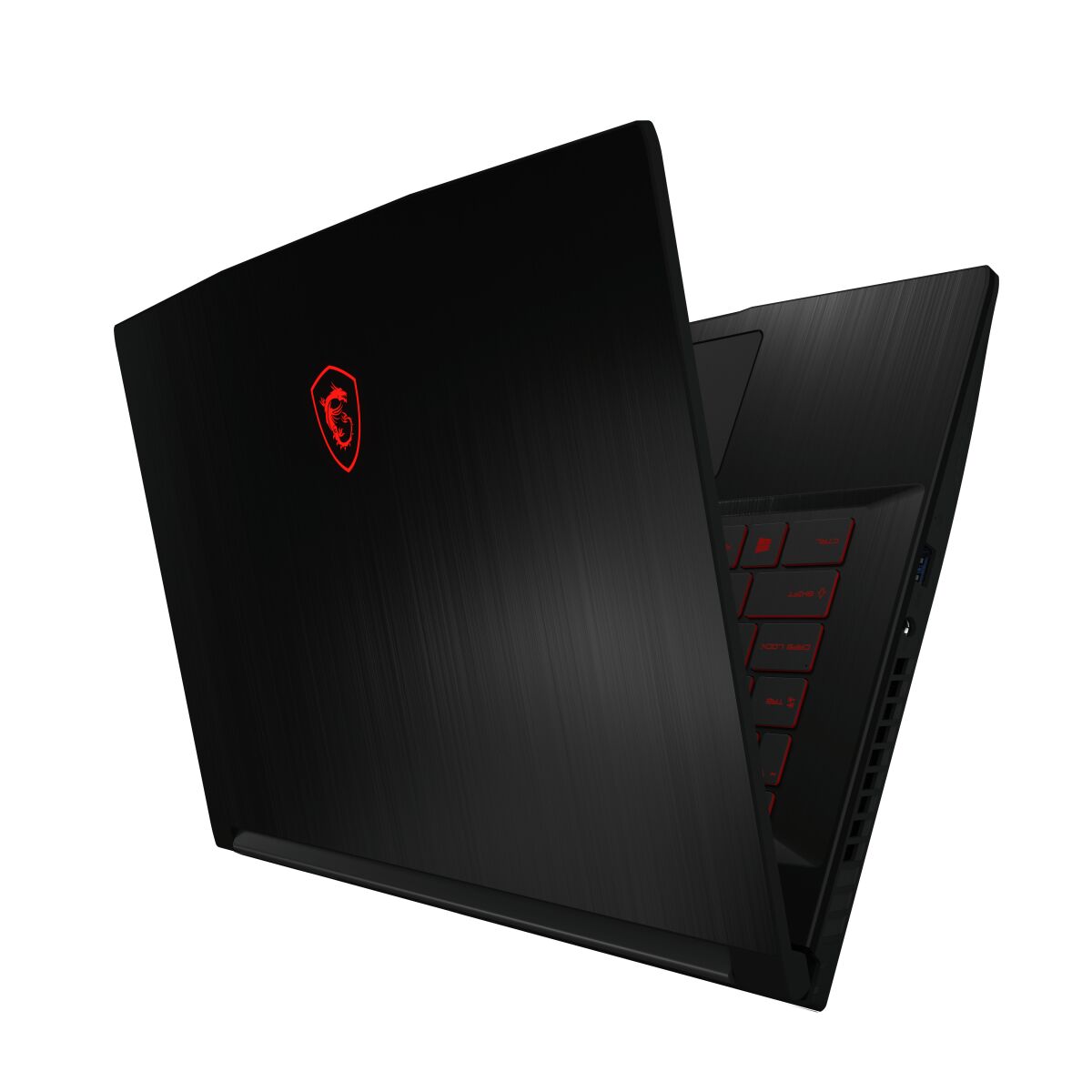
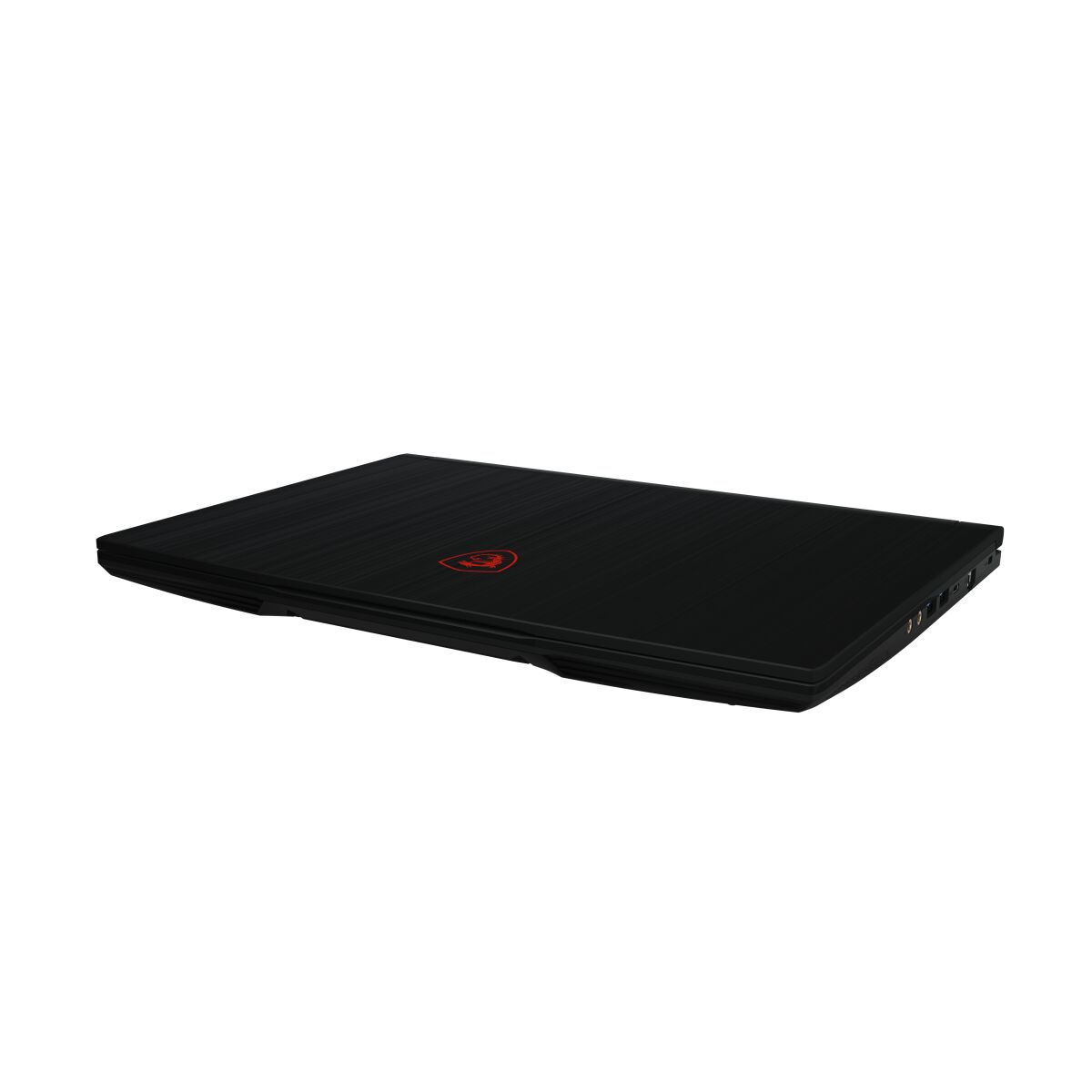
The MSI GF63 10SCSR-1202XFR Thin Gaming series laptop contains two SO-DIMM memory slots supporting DDR4-SDRAM at 2666 MHz frequency. Maximum RAM capacity reaches 64 GB total. Current memory upgrade specifications indicate compatible SO-DIMM modules can be installed to enhance system performance. DDR4 memory modules with standard SO-DIMM form factor are required for RAM upgrades on this MSI GF Gaming series model.
Memory Upgrade Specifications
| Specification | Value |
|---|---|
| Memory slots | 2x SO-DIMM |
| Form factor | SO-DIMM |
| Memory type | DDR4-SDRAM |
| Frequency | 2666 MHz |
| Maximum RAM | 64 GB |
| Voltage | 1.2V |
| Number of pins | 260-pin |
| Interface | PC4 |
| PC Speed Rating | PC4-2666 (PC4-21328) |
| Bandwidth | 21.3 GB/s |
| Laptop Release date | 17 December 2020 |
Additional Notes
- The 2666 MHz frequency limitation stems from the 10th generation Intel Core processor's memory controller specification, preventing any performance gain from installing higher-rated modules such as 3200 MHz sticks.
- Both memory slots support dual-channel architecture, requiring matched pairs for optimal bandwidth utilization at 42.6 GB/s theoretical maximum throughput.
- Single-channel configurations resulting from mismatched module capacities will halve memory bandwidth, creating potential bottlenecks in texture streaming and multi-threaded workloads.
- The 64 GB ceiling accommodates 2x32 GB modules, though verification of specific DDR4 density support through MSI's qualified vendor list prevents compatibility issues with high-density chips.
- SO-DIMM installation requires accessing the bottom panel of the MSI GF63 10SCSR-1202XFR Thin, where plastic retention clips on both slot edges demand lateral pressure release to avoid breakage.
- Non-ECC unbuffered modules represent the only compatible specification, as the mobile chipset lacks error-correction circuitry found in workstation platforms.
- Mixing different latency timings between slots forces the memory controller to adopt the slower CAS latency value, reducing effective performance below specifications of the faster module.
- Operating voltage adheres to the JEDEC standard 1.2V specification for DDR4, preventing use of low-voltage or overclocking-oriented XMP profiles without potential stability issues.
- Thermal considerations in the thin chassis design limit sustained memory performance under extended gaming loads, though DDR4's lower voltage compared to DDR3 reduces heat generation.
- Factory-installed modules typically occupy one or both slots, necessitating removal of existing memory to install higher-capacity replacements when targeting the 64 GB maximum.