MSI Gaming GF63 11UC-1215NL Thin RAM upgrade specifications



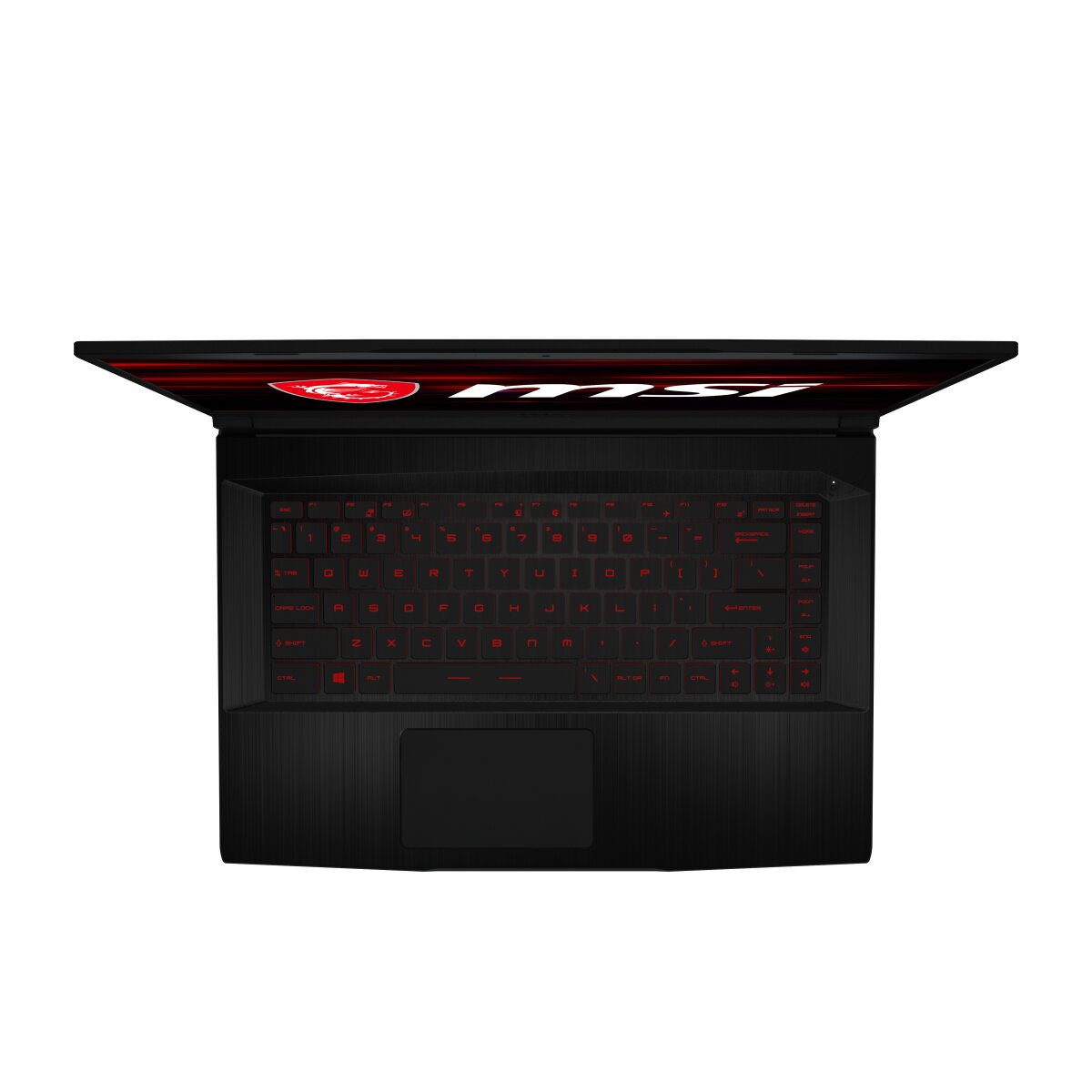
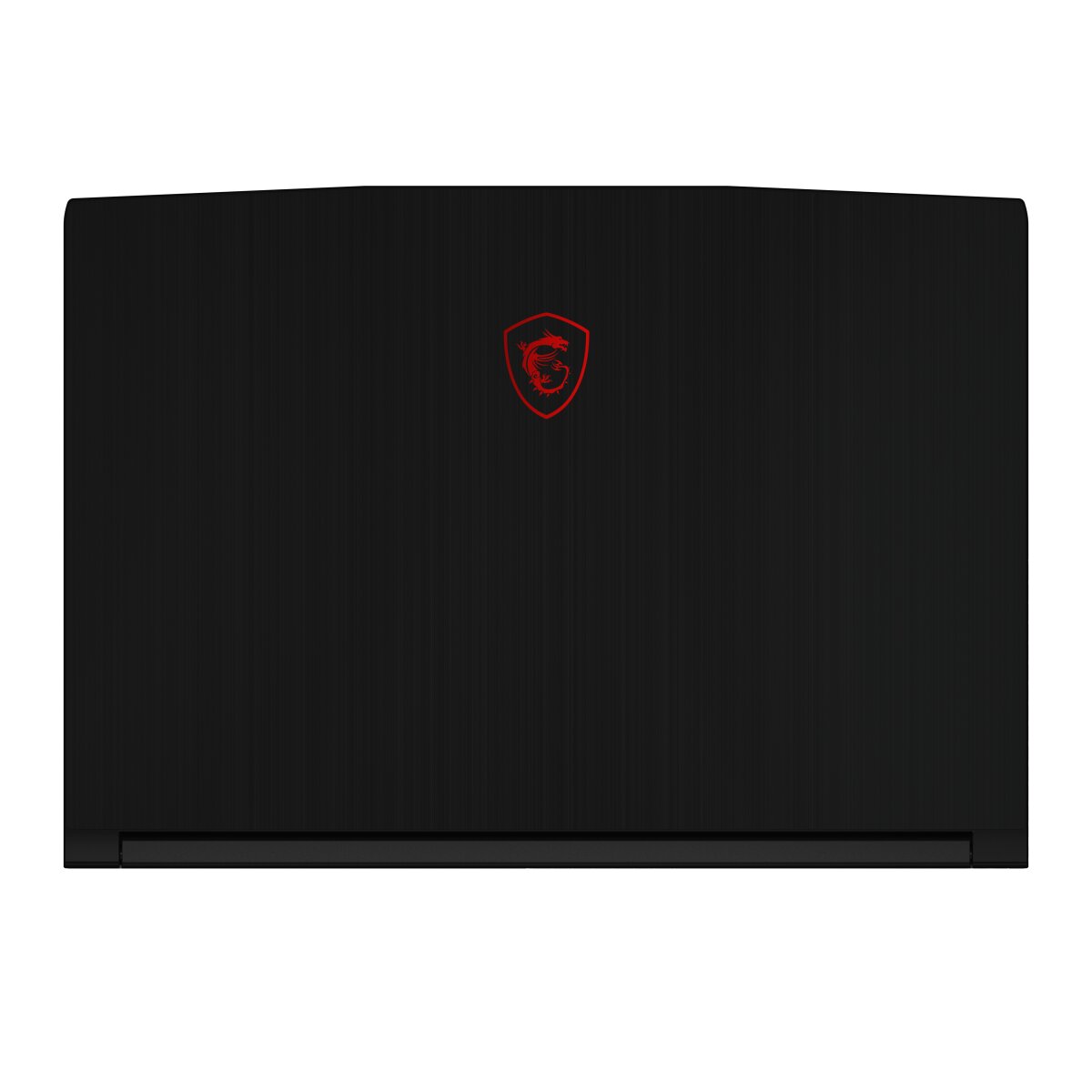
The MSI GF63 11UC-1215NL Thin gaming laptop features DDR4-SDRAM memory upgrade specifications with two SO-DIMM slots supporting a maximum RAM capacity of 64 GB. The compatible memory modules operate at 3200 MHz frequency. Current memory configurations allow expansion through standard SO-DIMM form factor modules, enabling users to upgrade existing memory installations up to the maximum supported capacity. Specifications indicate the GF series gaming laptop accommodates dual-channel memory architecture for optimal performance specifications.
Memory Upgrade Specifications
| Specification | Value |
|---|---|
| Memory slots | 2x SO-DIMM |
| Form factor | SO-DIMM |
| Memory type | DDR4-SDRAM |
| Frequency | 3200 MHz |
| Maximum RAM | 64 GB |
| Voltage | 1.2V |
| Number of pins | 260-pin |
| Interface | PC4 |
| PC Speed Rating | PC4-3200 (PC4-25600) |
| Bandwidth | 25.6 GB/s |
| Laptop Release date | 20 November 2022 |
Additional Notes
- The MSI GF63 11UC-1215NL Thin supports DDR4 modules operating at speeds beyond typical JEDEC standards, requiring compatible DIMM configurations to achieve the advertised 3200 MHz frequency through XMP profile activation in BIOS.
- Both memory channels must be populated with matched density modules to enable dual-channel mode, as single-channel configuration reduces memory bandwidth by approximately 50 percent.
- The 64 GB capacity ceiling indicates support for 32 GB modules per slot, though availability of SO-DIMM modules at this density remains limited compared to standard 8 GB and 16 GB options.
- Voltage compatibility defaults to 1.2V standard DDR4 specification, while modules rated at 1.35V or higher may encounter stability issues or require manual voltage adjustment.
- Memory access latency remains dependent on CAS latency values, where CL22 modules at 3200 MHz deliver different real-world response times compared to CL16 alternatives despite identical frequency ratings.
- Thermal constraints within the chassis may throttle performance when operating high-density modules at maximum frequency under sustained workloads, particularly affecting the SO-DIMM slot adjacent to heat-generating components.
- Installation requires removing the bottom panel assembly, where certain configurations void manufacturer warranty coverage if performed by unauthorized service providers rather than certified technicians.
- Mixing modules with different speed ratings forces all installed memory to operate at the lowest common frequency, negating performance advantages of higher-rated DIMMs.
- System firmware versions prior to specific BIOS updates may impose lower capacity recognition limits or frequency restrictions, requiring verification of current microcode compatibility before hardware investment.
- Non-ECC unbuffered modules represent the only compatible architecture, as registered or error-correcting memory types remain incompatible with consumer mobile chipset specifications.