MSI Gaming GF63 8RC-238XFR RAM upgrade specifications
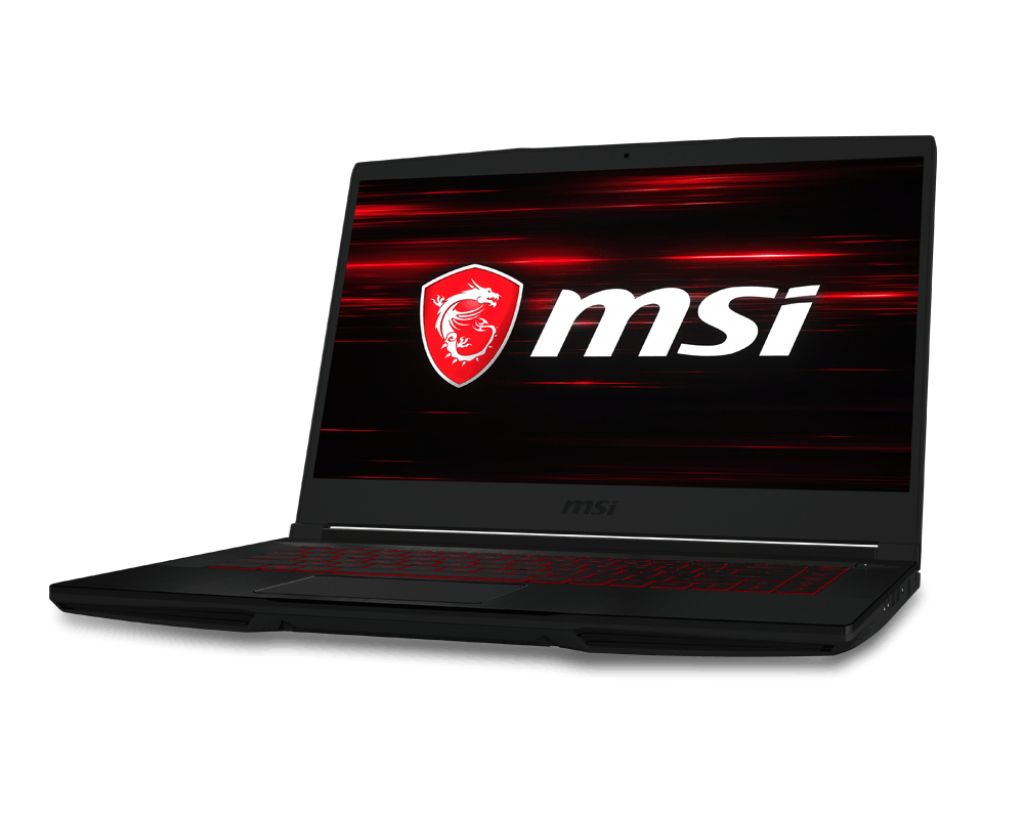
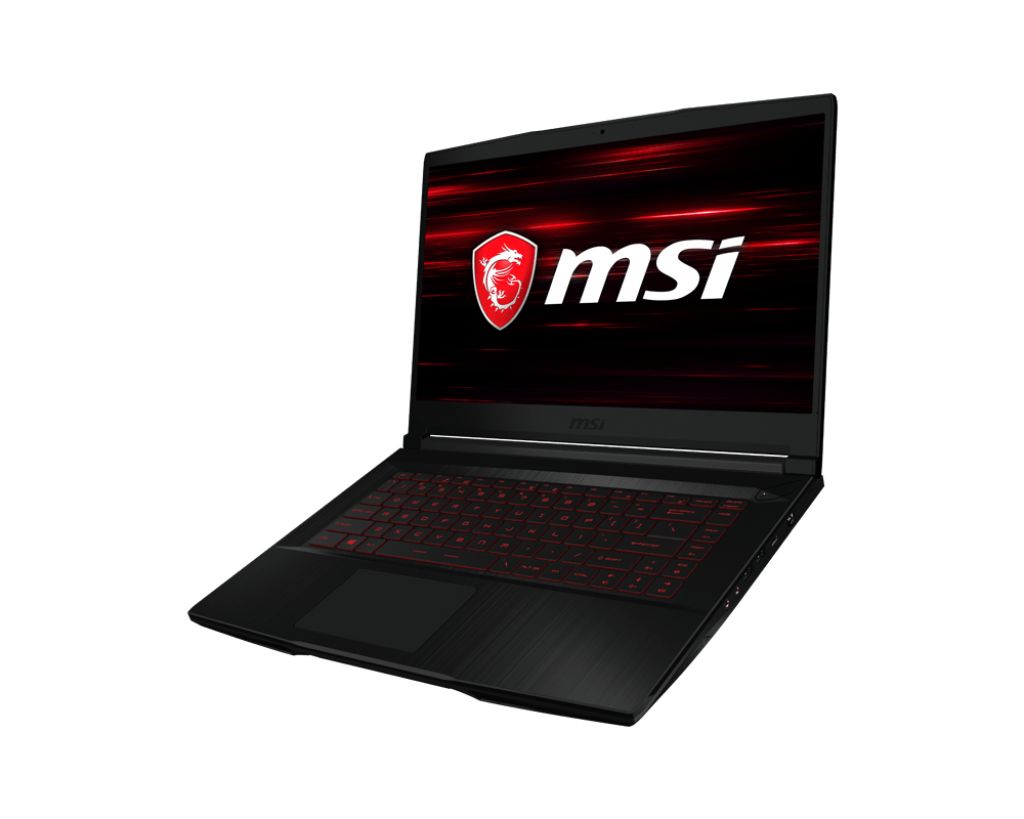
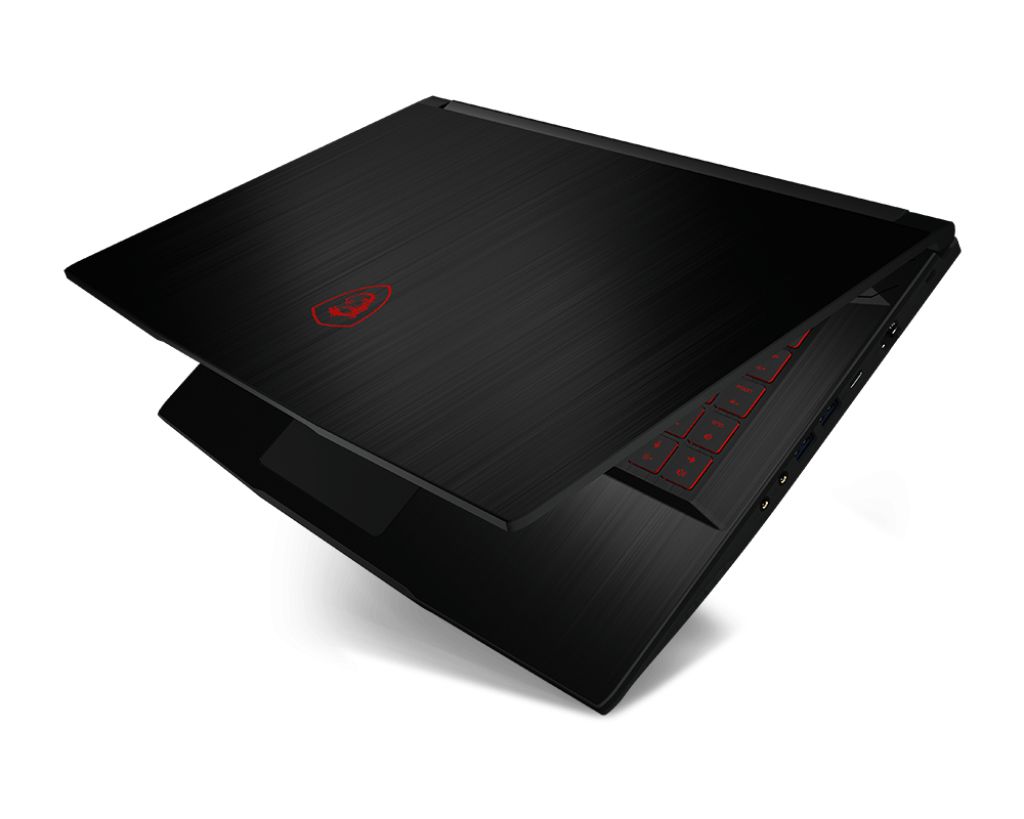
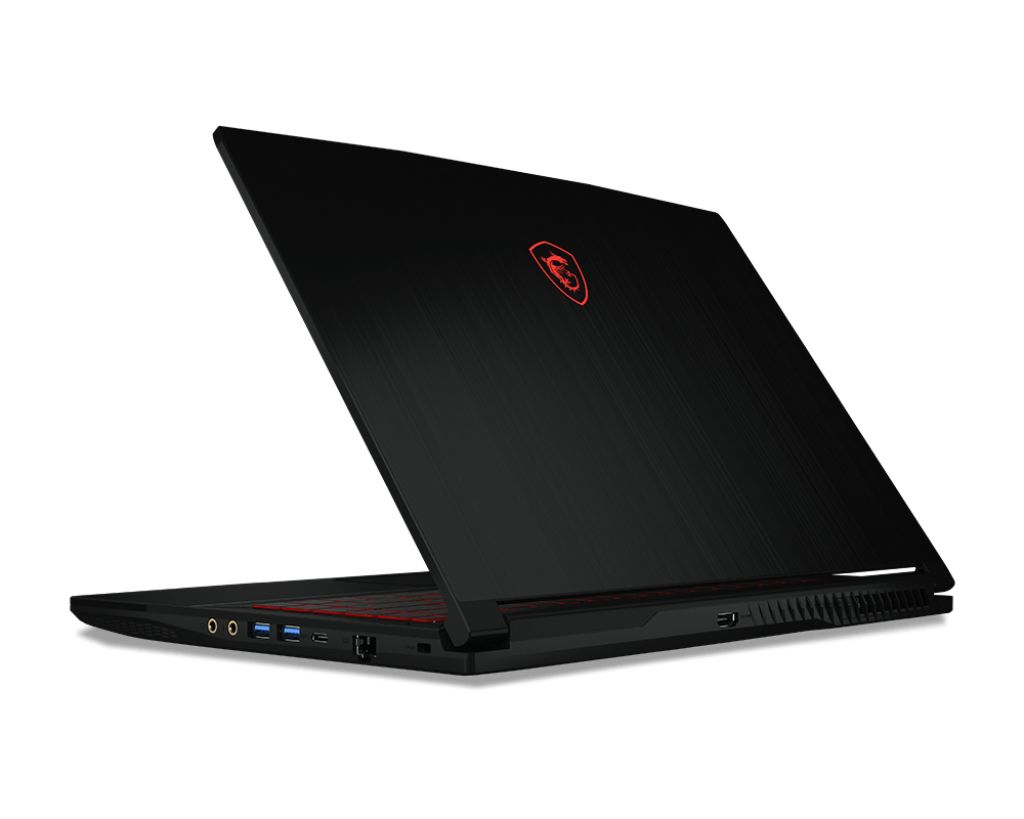
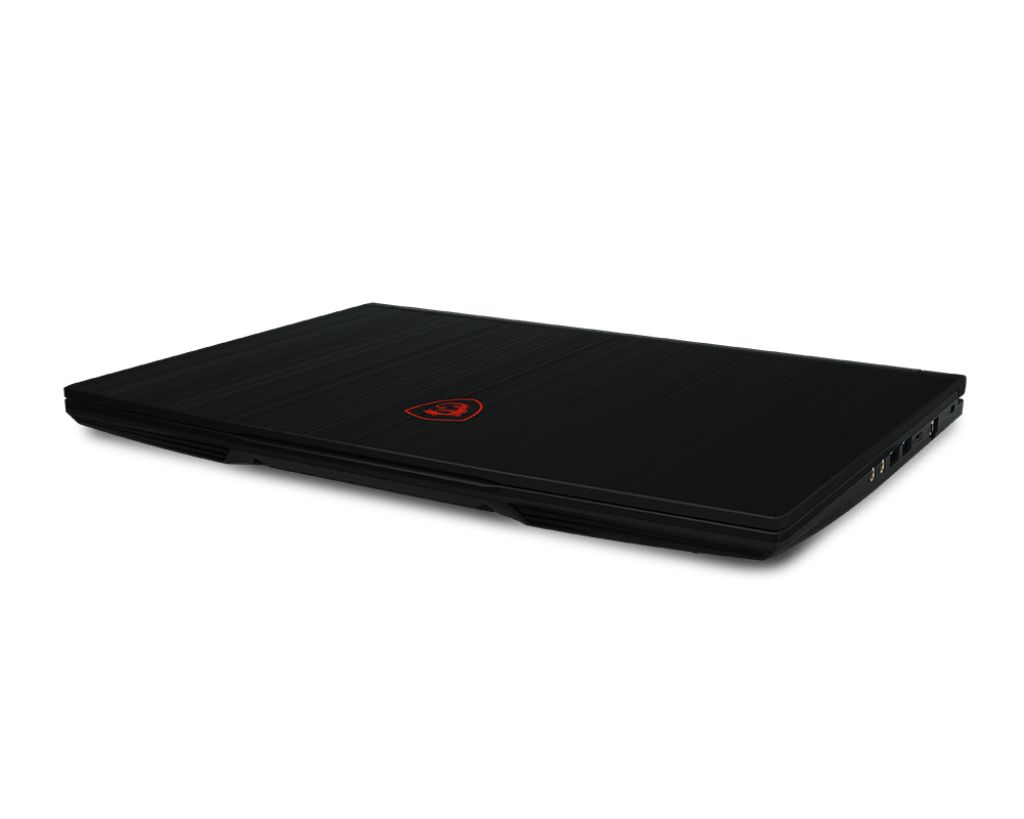
The MSI GF63 8RC-238XFR gaming laptop features DDR4-SDRAM memory with 2x SO-DIMM slots for upgrade capability. Maximum RAM capacity reaches 32 GB total, with compatible memory operating at 2400 MHz frequency. The SO-DIMM form factor specifications define the upgrade requirements for this GF series gaming model. Current and maximum memory configurations enable performance optimization through RAM expansion within the available slot specifications.
Memory Upgrade Specifications
| Specification | Value |
|---|---|
| Memory slots | 2x SO-DIMM |
| Form factor | SO-DIMM |
| Memory type | DDR4-SDRAM |
| Frequency | 2400 MHz |
| Maximum RAM | 32 GB |
| Voltage | 1.2V |
| Number of pins | 260-pin |
| Interface | PC4 |
| PC Speed Rating | PC4-2400 (PC4-19200) |
| Bandwidth | 19.2 GB/s |
| Laptop Release date | 22 June 2019 |
Additional Notes
- The MSI GF63 8RC-238XFR operates on DDR4-2400 specification, limiting all installed modules to 2400 MT/s regardless of their rated speed due to JEDEC standard downclocking behavior.
- Installation of higher frequency modules such as DDR4-2666 or DDR4-3200 will function but only at 2400 MHz, resulting in wasted cost premium for unused performance headroom.
- The dual SO-DIMM configuration requires bottom panel removal for access, with component orientation differing significantly from desktop DIMM installation procedures.
- Achieving the 32 GB ceiling necessitates 2 modules of 16 GB density each, as single-slot population leaves half the memory bandwidth unutilized in dual-channel architecture.
- Mixed-capacity configurations trigger asymmetric dual-channel mode where only the matched portion operates in dual-channel, creating uneven memory performance across the address space.
- Non-matching module specifications between slots can force both modules to operate at the lower common denominator for voltage, timings, and frequency.
- Standard DDR4 SO-DIMM operates at 1.2V nominal with 260-pin contact design, incompatible with DDR3L or DDR3 physical and electrical specifications despite similar physical dimensions.
- The Coffee Lake platform supporting this specification lacks native support for frequencies exceeding 2666 MHz without XMP profiles, which are typically unavailable in mobile implementations.
- Memory bandwidth peaks at 38.4 GB/s theoretical maximum when both channels operate simultaneously with DDR4-2400 modules, halving to 19.2 GB/s in single-channel mode.
- Thermal constraints in the chassis design may affect sustained memory performance under simultaneous CPU and GPU load conditions, particularly with higher density modules generating additional heat.
- Third-party RAM installation typically preserves manufacturer warranty coverage under most regional consumer protection laws, though verification of specific warranty terms remains advisable before modification.
- CAS latency differences between modules rated CL15, CL16, or CL17 at 2400 MHz create measurable latency variations between 12.5 and 14.17 nanoseconds absolute latency.