MSI Gaming GF63 8RC-249 RAM upgrade specifications

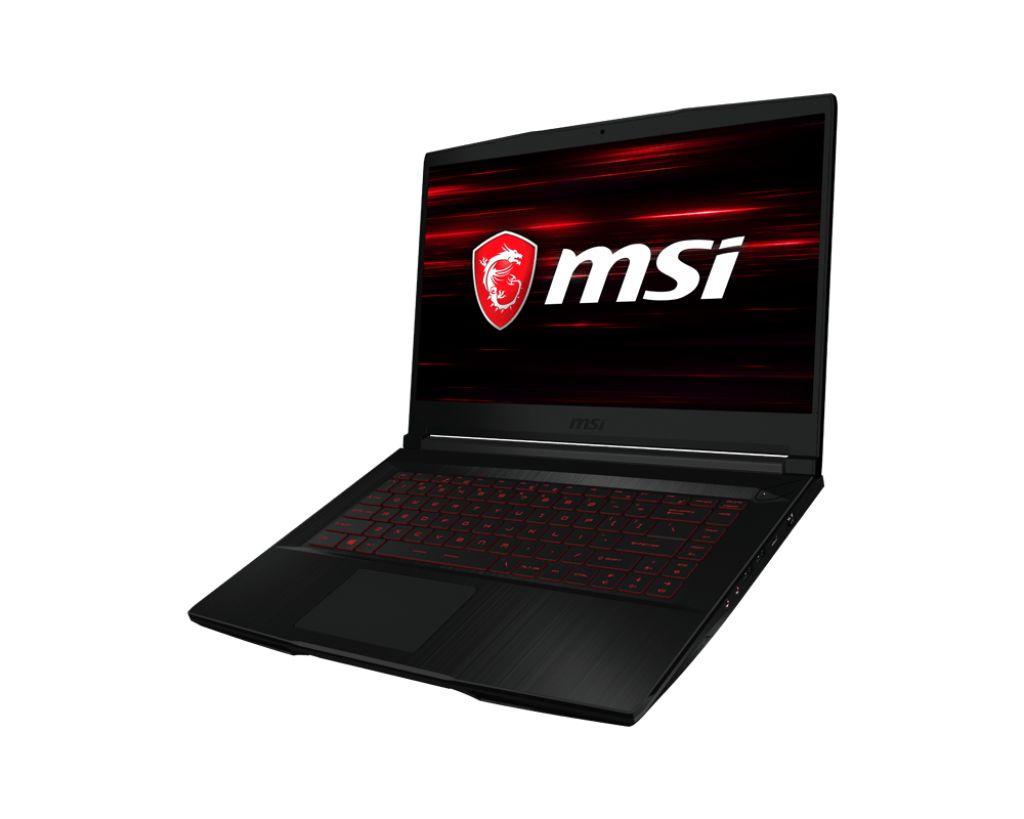
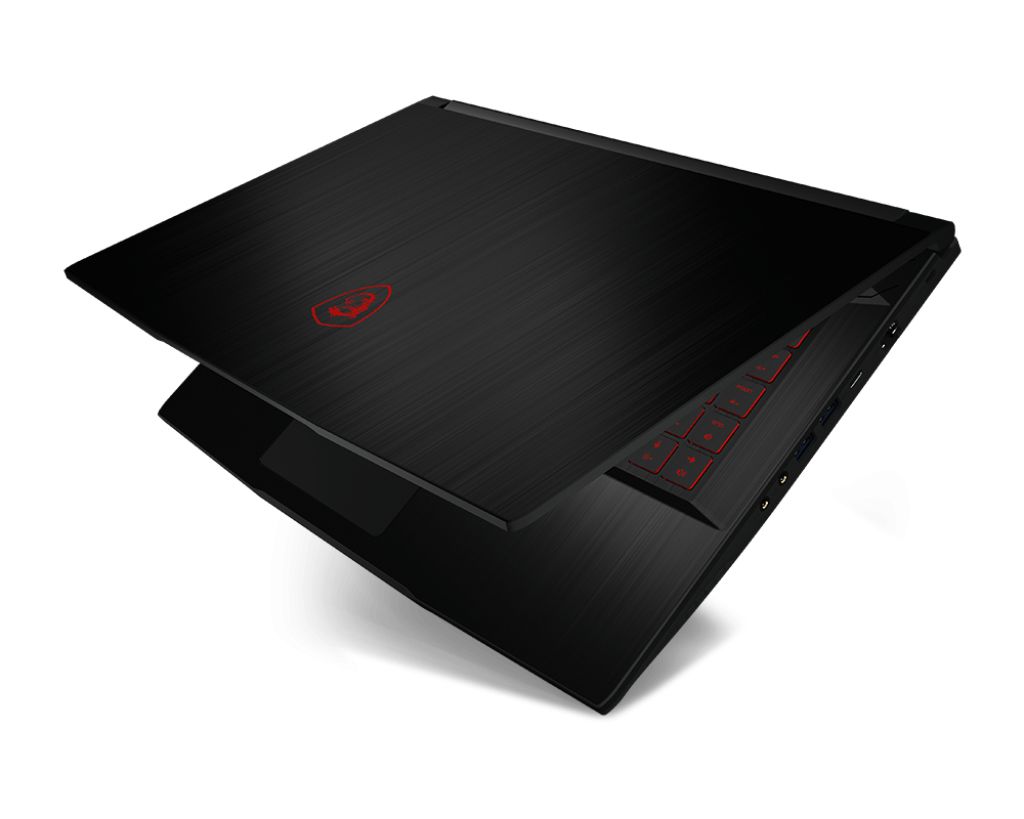

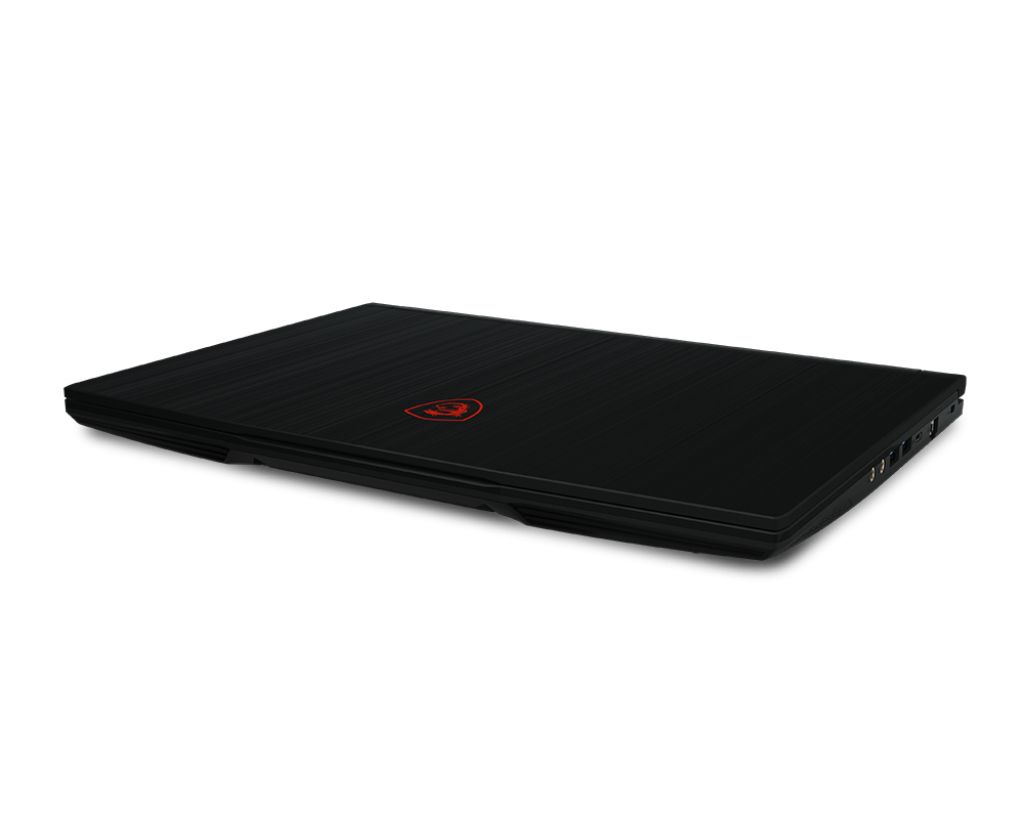
The MSI GF63 8RC-249 Gaming series laptop features DDR4-SDRAM memory upgrade specifications with two SO-DIMM slots supporting maximum capacity of 32 GB. Compatible RAM modules operate at 2666 MHz frequency. The upgrade supports DDR4 SO-DIMM form factor memory, enabling users to expand memory configurations up to the specified maximum capacity. Specifications indicate standard slot configuration for portable computing devices in the GF Gaming series lineup.
Memory Upgrade Specifications
| Specification | Value |
|---|---|
| Memory slots | 2x SO-DIMM |
| Form factor | SO-DIMM |
| Memory type | DDR4-SDRAM |
| Frequency | 2666 MHz |
| Maximum RAM | 32 GB |
| Voltage | 1.2V |
| Number of pins | 260-pin |
| Interface | PC4 |
| PC Speed Rating | PC4-2666 (PC4-21328) |
| Bandwidth | 21.3 GB/s |
| Laptop Release date | 27 May 2019 |
Additional Notes
- The MSI GF63 8RC-249 supports DDR4-2666 memory, which operates at a lower frequency tier than contemporary DDR4-3200 or DDR4-3600 standards. This frequency ceiling limits performance gains from faster third-party modules, as the motherboard will downclock incompatible higher-speed RAM to 2666 MHz.
- Dual SO-DIMM slots with a 32 GB maximum capacity constraint means the system cannot accommodate single modules exceeding 16 GB per slot. Upgrade paths are limited to 2x16 GB configurations for maximum memory density.
- SO-DIMM form factor requires laptop-specific memory modules rather than desktop DDR4 variants. Standard desktop DIMMs are physically incompatible and cannot be mechanized into the available slots.
- The 2-slot architecture eliminates redundancy in memory configuration. Failure of either module results in total system memory loss; there is no failover capacity through remaining functional slots.
- Factory-equipped memory modules may operate at lower latency timings optimized for 2666 MHz operation. Aftermarket modules designed for higher frequencies typically exhibit timing specifications tuned for 3200+ MHz, potentially increasing latency when downclocked to native 2666 MHz speeds.
- BIOS-level memory profile flexibility on this chipset generation is constrained. Manual timing or frequency adjustments beyond 2666 MHz may not be accessible through firmware options, restricting overclocking capability for memory subsystems.