MSI Gaming GF63 8RC-419XPT RAM upgrade specifications
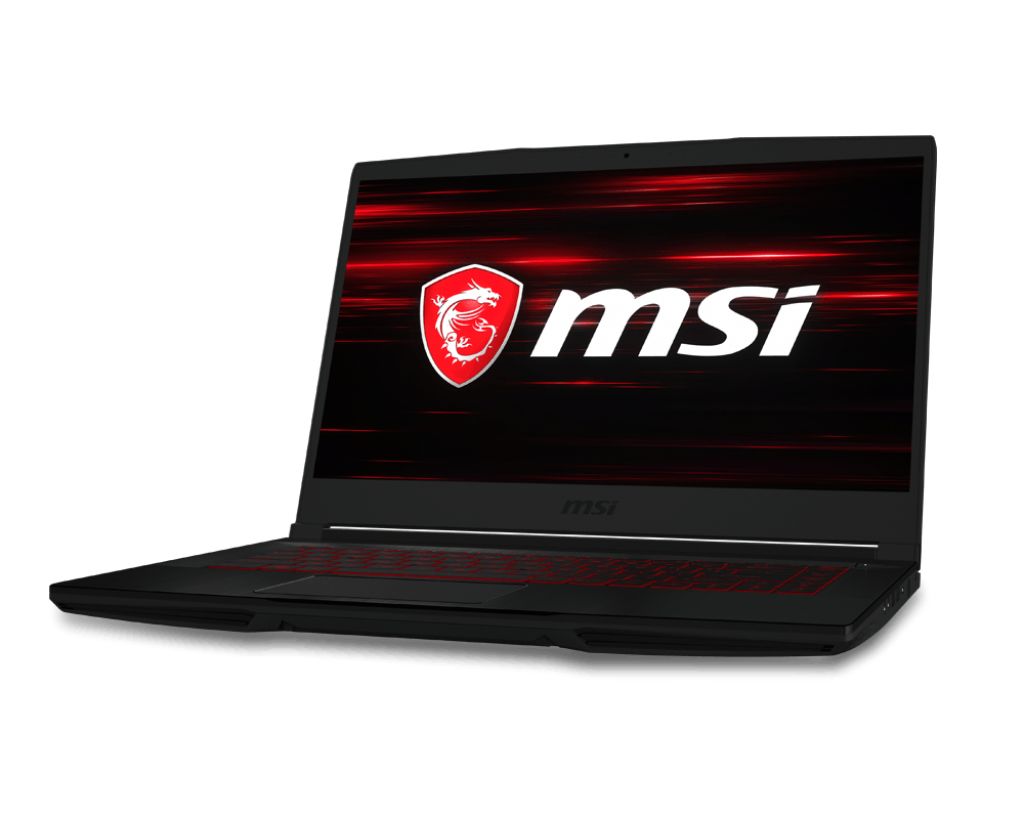
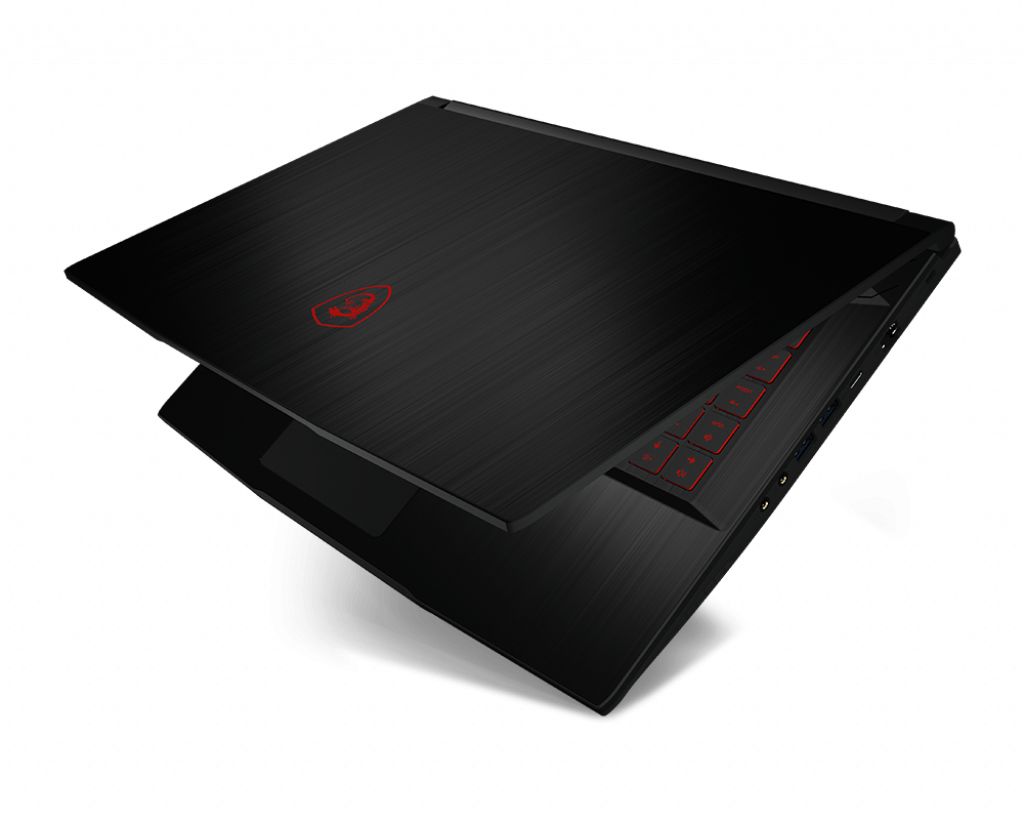
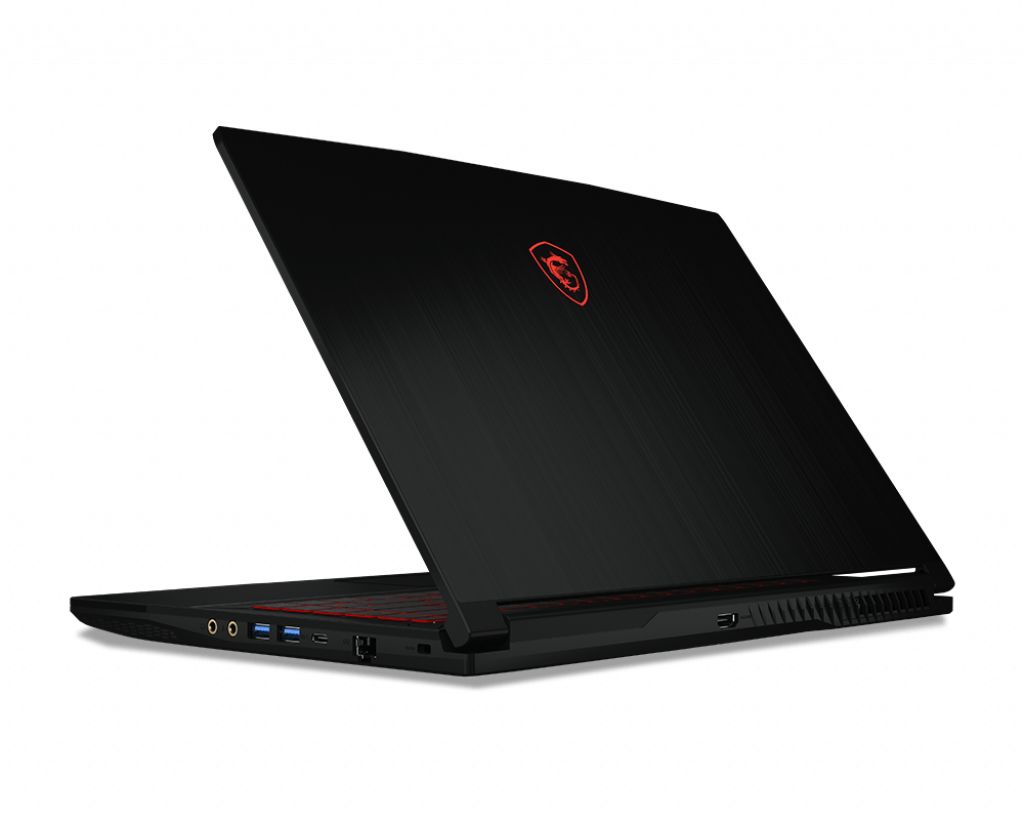
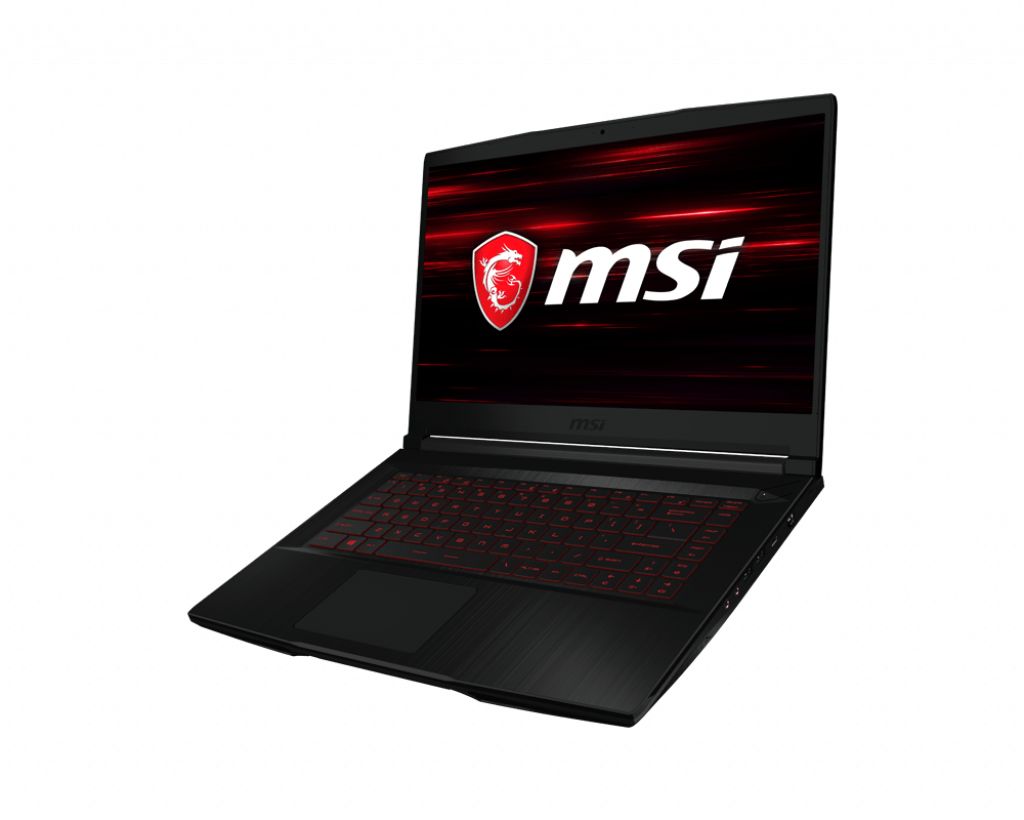
The MSI GF63 8RC-419XPT Gaming series laptop features two SO-DIMM memory slots supporting DDR4-SDRAM upgrade specifications. Maximum RAM capacity reaches 32 GB total, with compatible memory operating at 2666 MHz frequency. The upgrade specifications indicate SO-DIMM form factor modules are required for this model. Current configuration and maximum specifications provide guidelines for memory expansion and compatible RAM upgrades on the GF63 8RC-419XPT gaming laptop.
Memory Upgrade Specifications
| Specification | Value |
|---|---|
| Memory slots | 2x SO-DIMM |
| Form factor | SO-DIMM |
| Memory type | DDR4-SDRAM |
| Frequency | 2666 MHz |
| Maximum RAM | 32 GB |
| Voltage | 1.2V |
| Number of pins | 260-pin |
| Interface | PC4 |
| PC Speed Rating | PC4-2666 (PC4-21328) |
| Bandwidth | 21.3 GB/s |
| Laptop Release date | 18 December 2018 |
Additional Notes
- The MSI GF63 8RC-419XPT memory controller supports DDR4-2666 standard, which limits maximum throughput to approximately 21 GB/s per channel, creating a potential bandwidth constraint when paired with modern discrete GPUs that expect faster memory subsystems.
- SO-DIMM slots occupy minimal physical space beneath the keyboard deck; upgrade installation requires full keyboard removal and careful cable management around the palmrest area to avoid damage during reassembly.
- The 2-slot configuration with 32 GB ceiling means maximum single-module capacity is 16 GB; dual 16 GB modules reach the architectural limit with no headroom for future expansion beyond this configuration.
- DDR4-2666 memory operates at refresh rates and timings optimized for 8th-generation Intel processor cache hierarchies; mismatched module speeds (faster DDR4-3000+ modules) will automatically downclock to 2666 MHz, negating any performance investment in premium-tier memory.
- Factory specifications typically ship with asymmetric configurations (4 GB + 4 GB or 8 GB + 8 GB); replacing a single module with a higher-capacity stick risks incompatibility if the installed module uses different memory die binning or timing profiles from the original equipment manufacturer.
- SO-DIMM form factor restricts module selection to laptop-specific products; desktop DDR4 UDIMM modules cannot physically install, effectively eliminating opportunistic upgrades from surplus PC components.
- Warranty coverage depends on original purchase terms; most manufacturers void coverage when non-approved third-party memory is installed, requiring documentation of module compatibility from the system integrator before purchasing replacement modules.