MSI Gaming GF63 8RD-088 RAM upgrade specifications

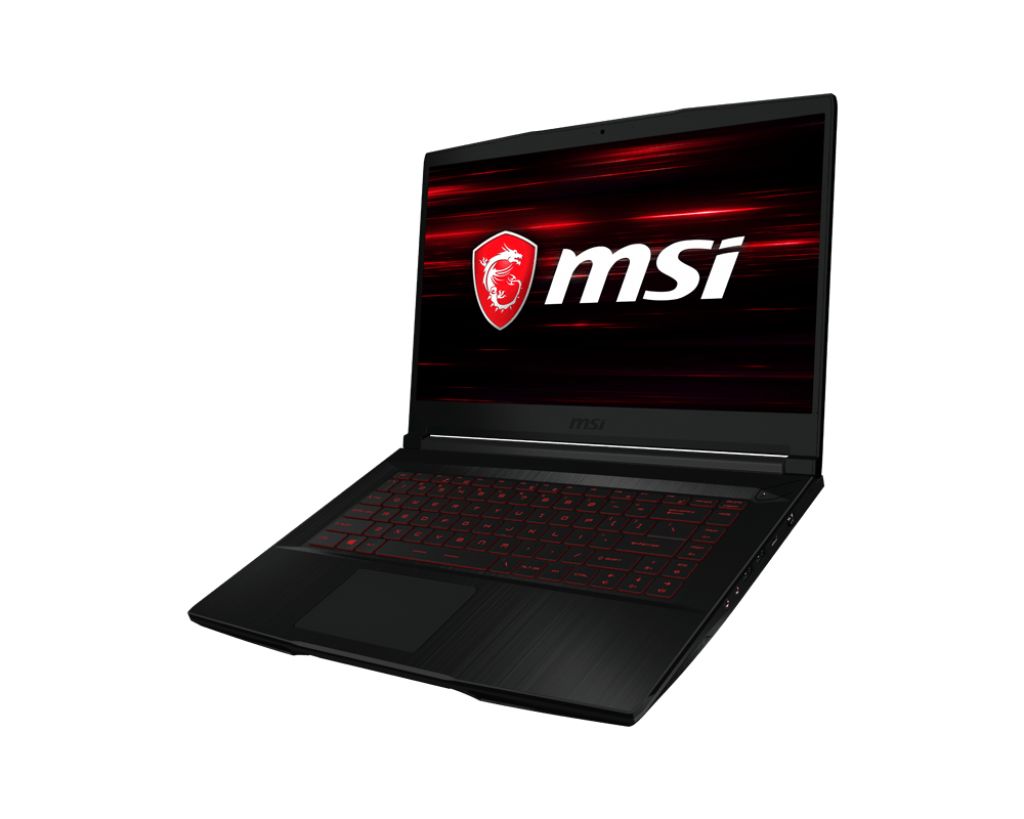

MSI GF63 8RD-088 Gaming series laptop supports DDR4-SDRAM memory upgrade through 2x SO-DIMM slots. Maximum compatible RAM capacity reaches 32 GB total. Upgrade specifications require DDR4 modules operating at 2666 MHz frequency with SO-DIMM form factor. Current memory configuration can be expanded by replacing or adding compatible DDR4-SDRAM modules to existing slots. Specifications indicate Gaming GF series supports standard laptop memory upgrades for enhanced multitasking and performance capabilities.
Memory Upgrade Specifications
| Specification | Value |
|---|---|
| Memory slots | 2x SO-DIMM |
| Form factor | SO-DIMM |
| Memory type | DDR4-SDRAM |
| Frequency | 2666 MHz |
| Maximum RAM | 32 GB |
| Voltage | 1.2V |
| Number of pins | 260-pin |
| Interface | PC4 |
| PC Speed Rating | PC4-2666 (PC4-21328) |
| Bandwidth | 21.3 GB/s |
| Laptop Release date | 13 November 2018 |
Additional Notes
- Dual channel memory architecture requires installing modules in matched pairs to bypass the single channel bandwidth bottleneck and reach peak processing throughput.
- The 32 GB ceiling necessitates replacing both preinstalled modules if the factory configuration occupies both slots, as additional expansion capacity is unavailable beyond the two physical sockets.
- The MSI GF63 8RD-088 motherboard architecture downclocks higher frequency modules to 2666 MHz, rendering 3200 MHz or faster RAM underutilized due to chipset limitations.
- Opting for high density 16 GB modules per slot is necessary to achieve the maximum advertised capacity because the system cannot address higher density single sticks.
- Standard voltage 1.2V DDR4 modules are required to ensure stability since the platform does not support the increased power draw or thermal profiles of overvolted hardware.
- Accessing the SO-DIMM slots involves removing the entire bottom chassis plate, which may involve breaking a factory seal sticker depending on regional warranty policies.
- Latency performance depends on the CAS latency of the installed sticks, where mismatched timings between different brands cause the system to default to the slowest common denominator.