MSI Gaming GF63 8RD-433MX RAM upgrade specifications
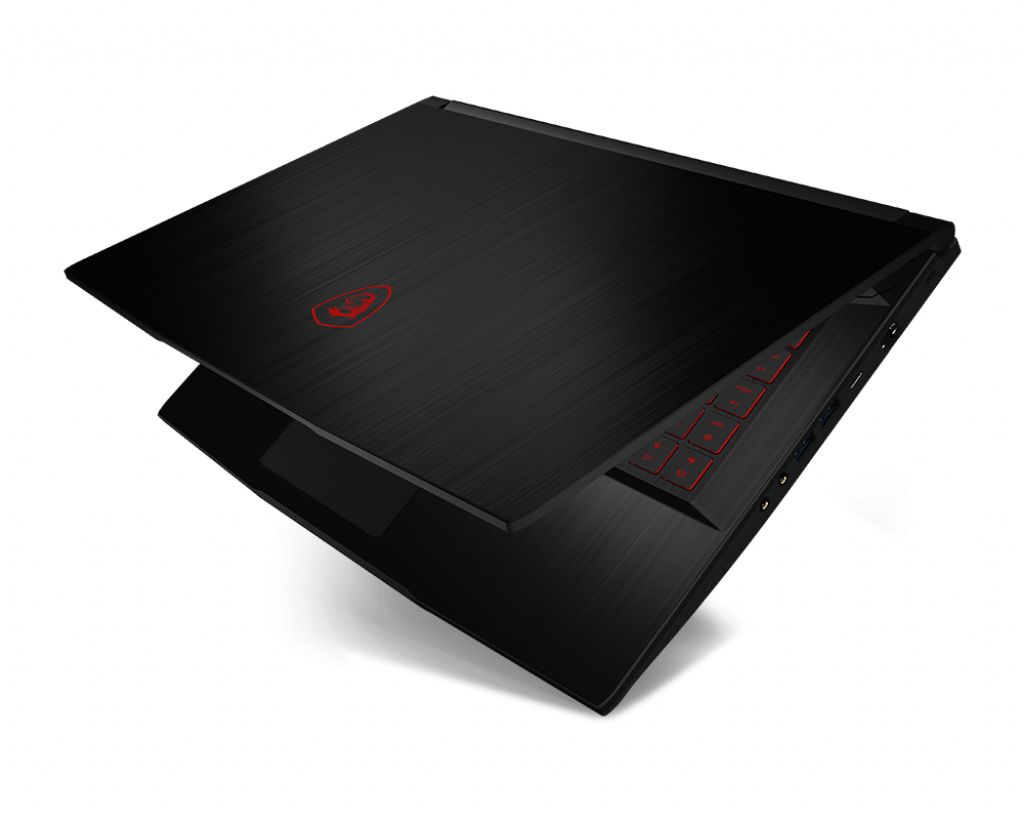
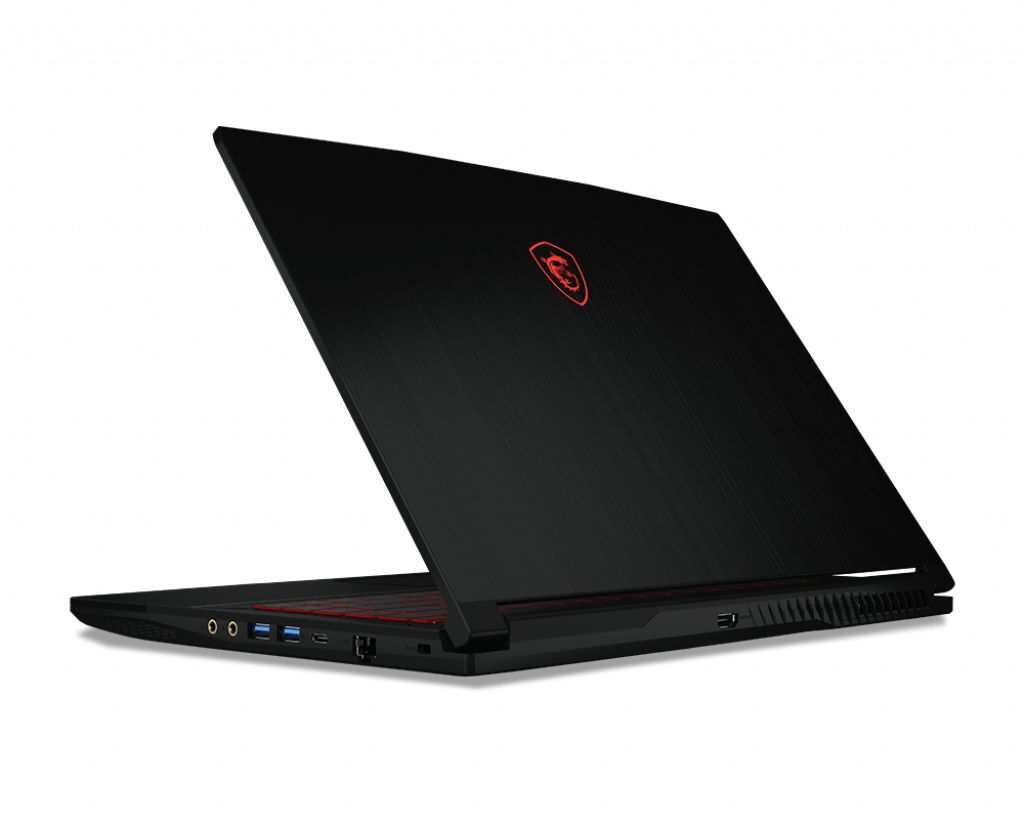
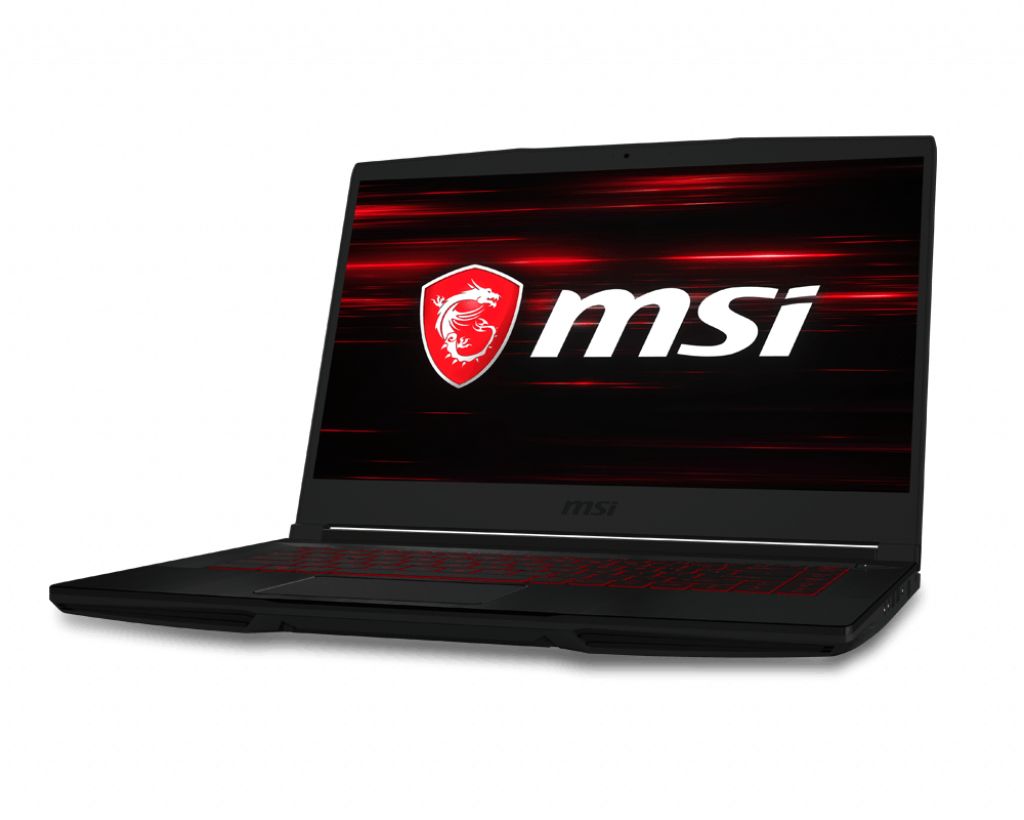
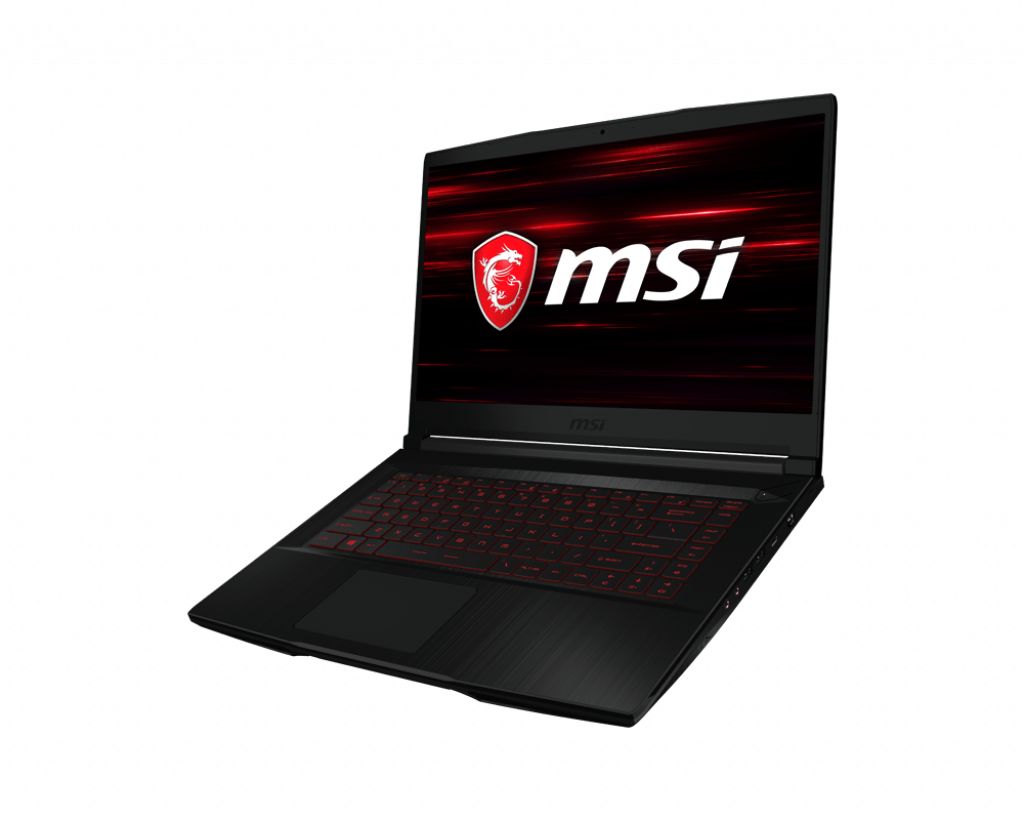
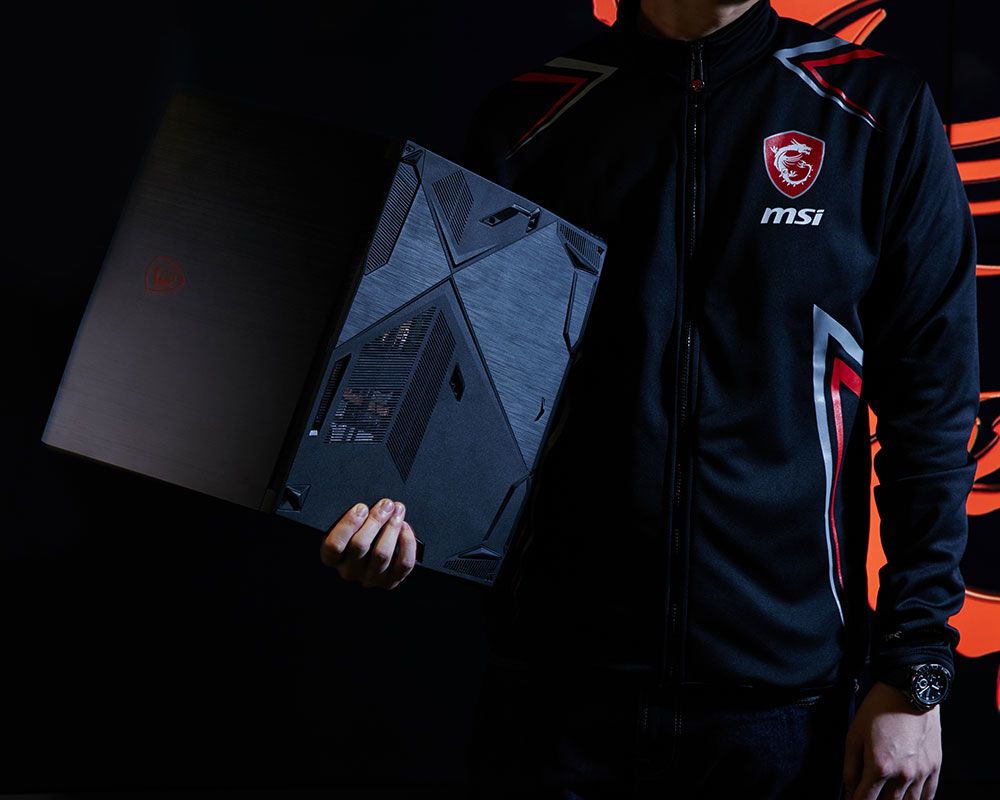
The MSI Gaming GF Series GF63 8RD-433MX supports memory upgrades via two SO-DIMM slots. The laptop is compatible with DDR4-SDRAM modules operating at 2666 MHz frequency. Maximum RAM capacity reaches 32 GB total. Specifications indicate SO-DIMM form factor memory modules are required for upgrade compatibility. The GF63 8RD-433MX supports dual-channel memory configurations, enabling enhanced performance when both slots contain matched RAM upgrades.
Memory Upgrade Specifications
| Specification | Value |
|---|---|
| Memory slots | 2x SO-DIMM |
| Form factor | SO-DIMM |
| Memory type | DDR4-SDRAM |
| Frequency | 2666 MHz |
| Maximum RAM | 32 GB |
| Voltage | 1.2V |
| Number of pins | 260-pin |
| Interface | PC4 |
| PC Speed Rating | PC4-2666 (PC4-21328) |
| Bandwidth | 21.3 GB/s |
| Laptop Release date | 10 June 2019 |
Additional Notes
- The MSI GF63 8RD-433MX supports DDR4-2666 memory exclusively; modules rated DDR4-3000 or higher will operate at 2666 MHz due to controller limitations, eliminating performance gains from faster memory purchases.
- SO-DIMM slots occupy limited motherboard real estate; both slots must be populated to reach 32 GB capacity, leaving no expansion headroom without complete module replacement.
- Upgrading from factory configuration to 32 GB requires removal of pre-installed memory; this operation risks voiding warranty if performed outside authorized service channels or if non-certified memory modules are installed.
- SO-DIMM form factor restricts sourcing to laptop-grade memory; standard desktop DDR4 UDIMM modules are physically incompatible and cannot be fitted regardless of electrical specifications.
- The 2-slot architecture creates a memory bandwidth constraint; any single-channel configuration (single populated slot) will reduce effective bandwidth by approximately 50% compared to dual-channel operation, affecting gaming performance in CPU-bound scenarios.
- DDR4-2666 frequency represents an older memory standard; newer DDR4-3200 or DDR5 platforms consume less power at equivalent performance, indicating potential efficiency disadvantages when comparing upgrade costs against platform age.