MSI Gaming GF63 8SC-247XFR Thin RAM upgrade specifications
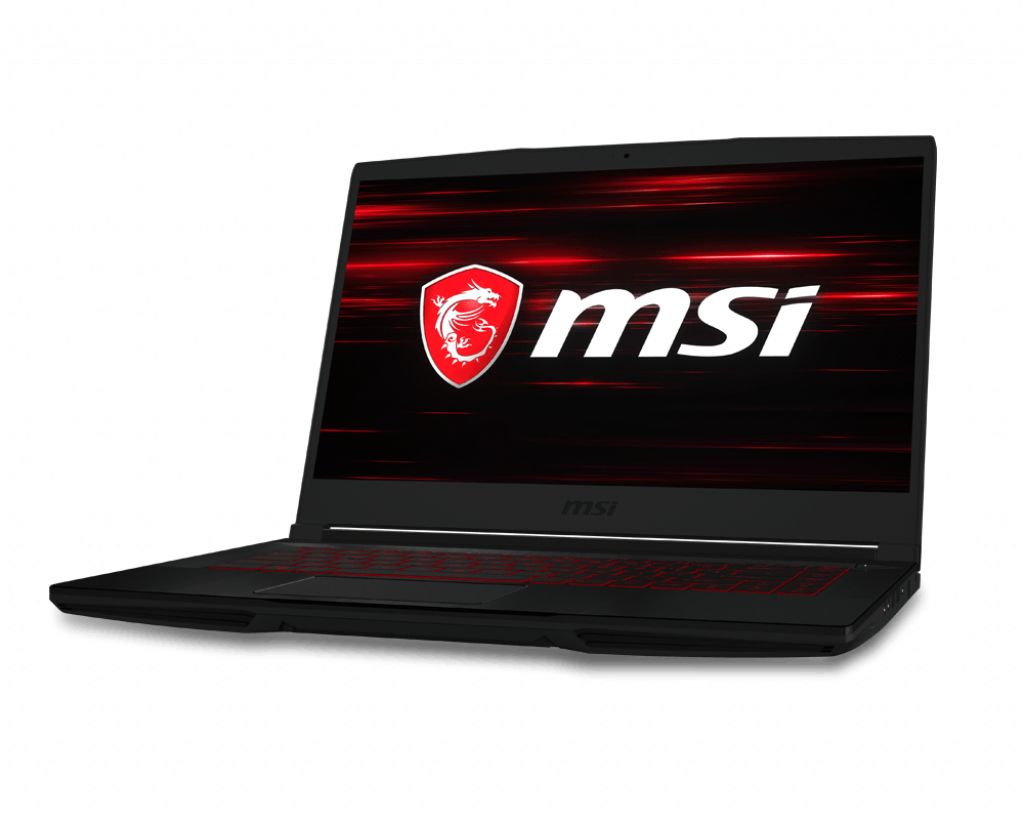
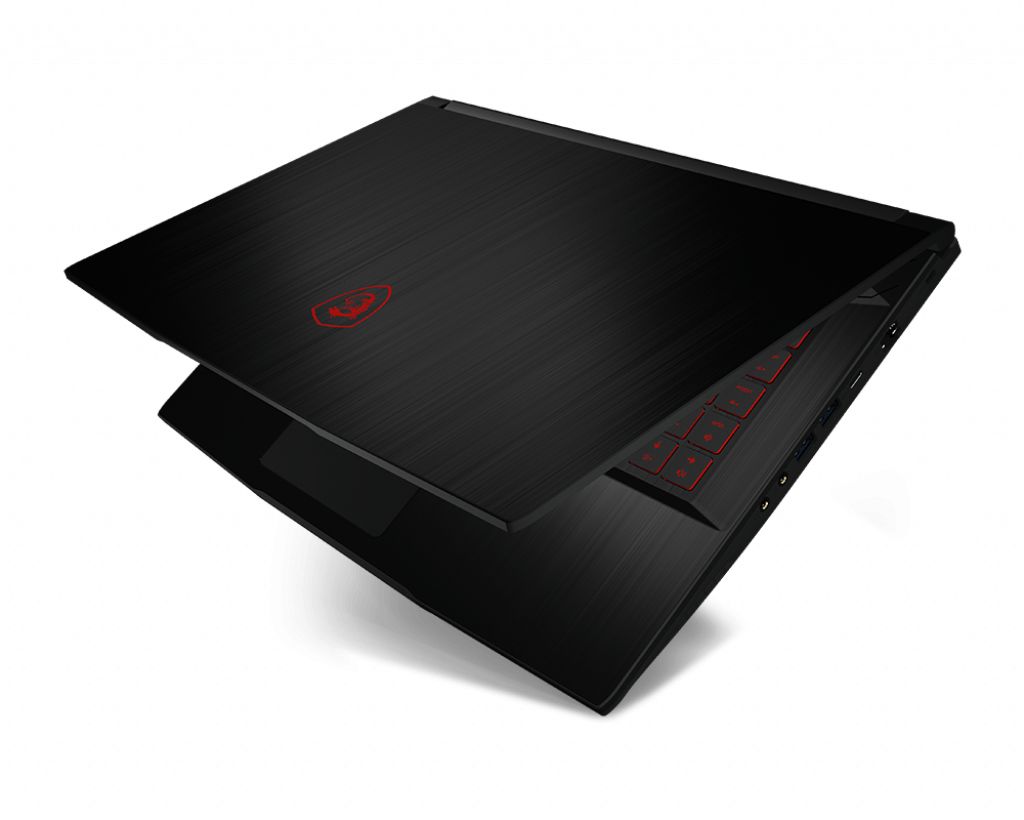
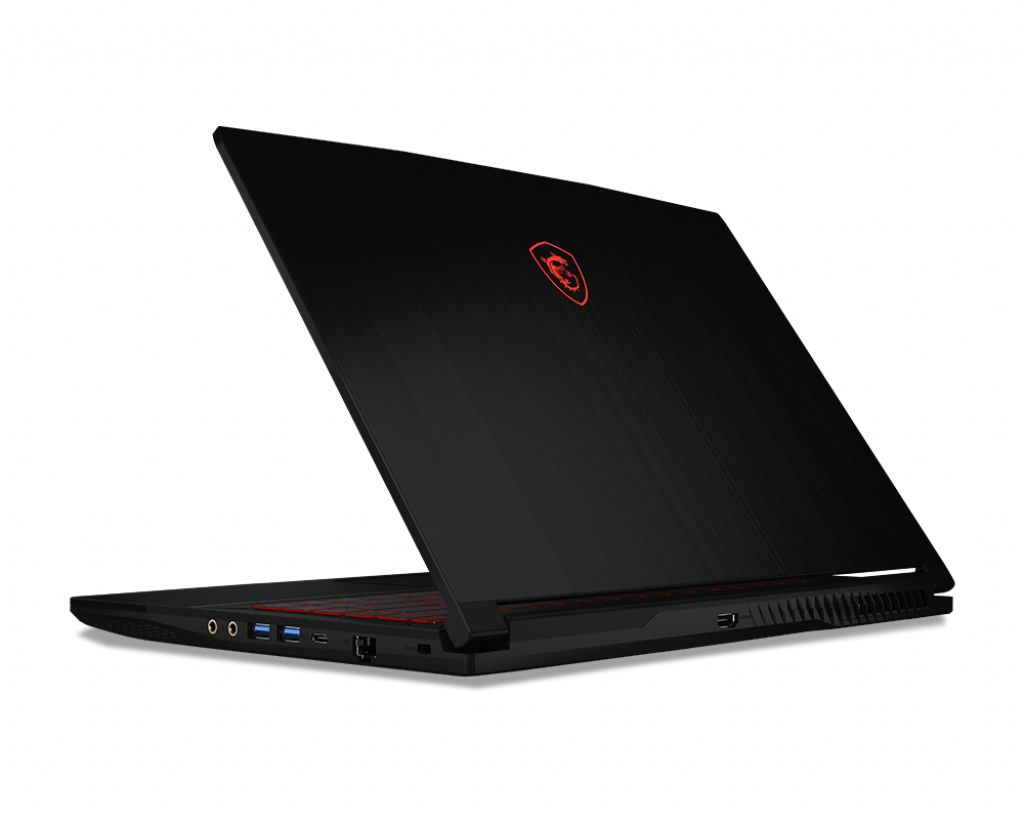
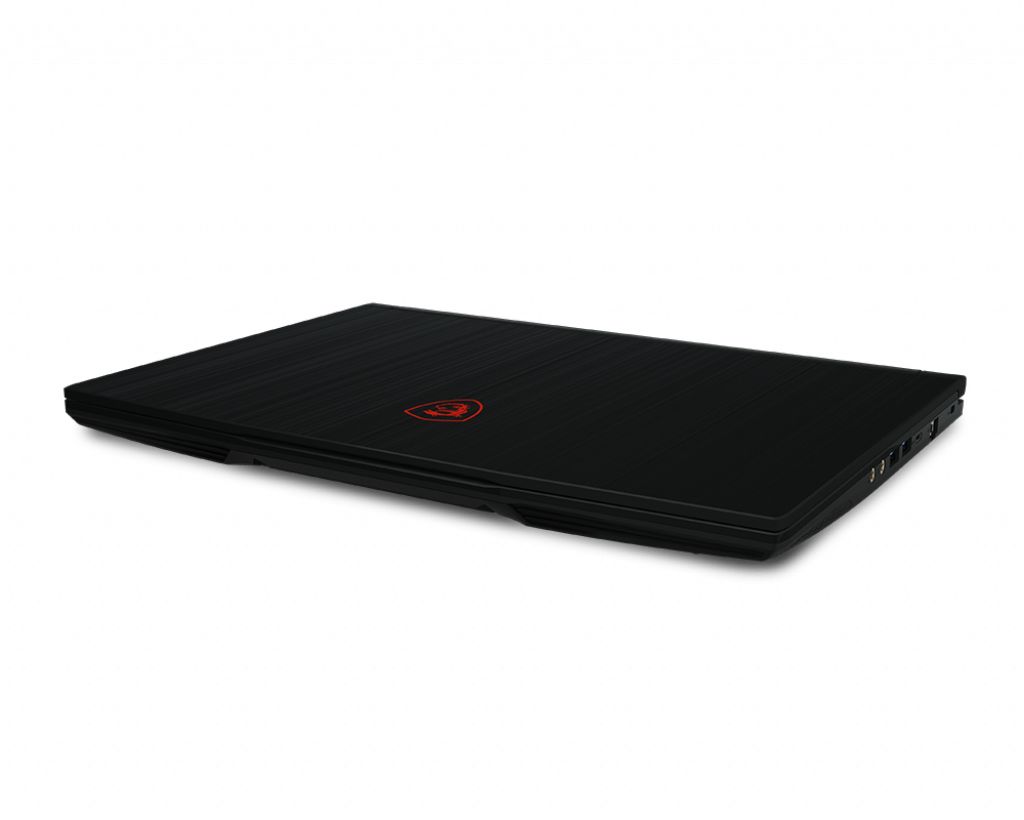
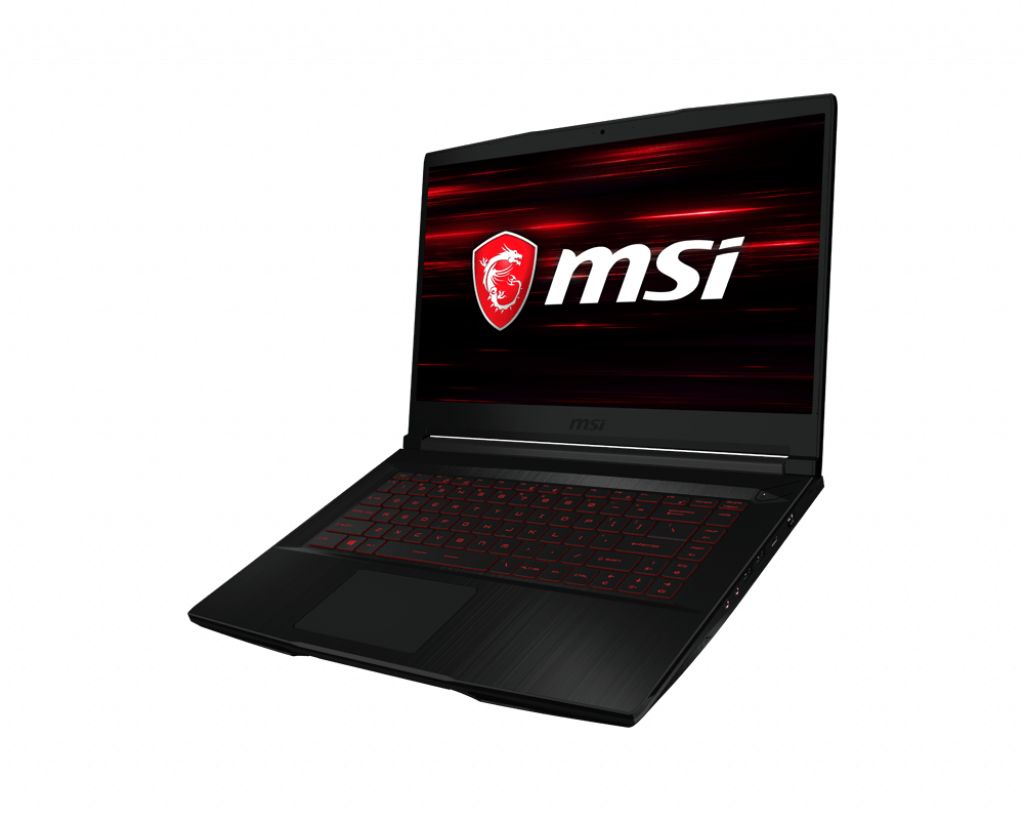
The MSI GF63 8SC-247XFR Thin Gaming series laptop supports DDR4-SDRAM memory upgrades with two SO-DIMM slots. Maximum RAM capacity reaches 32 GB total. Compatible memory operates at 2400 MHz frequency specifications. The upgrade slots accommodate standard SO-DIMM form factor modules. Current memory configuration details and maximum supported capacity specifications are available for this Gaming GF series model.
Memory Upgrade Specifications
| Specification | Value |
|---|---|
| Memory slots | 2x SO-DIMM |
| Form factor | SO-DIMM |
| Memory type | DDR4-SDRAM |
| Frequency | 2400 MHz |
| Maximum RAM | 32 GB |
| Voltage | 1.2V |
| Number of pins | 260-pin |
| Interface | PC4 |
| PC Speed Rating | PC4-2400 (PC4-19200) |
| Bandwidth | 19.2 GB/s |
| Laptop Release date | 04 July 2019 |
Additional Notes
- The 2400 MHz frequency ceiling prevents installation of faster DDR4 modules rated at 2666 MHz or 3200 MHz, as the system will downclock them to the supported speed, eliminating any performance advantage from premium RAM purchases.
- The 32 GB maximum capacity allows dual-channel configurations of 2x16 GB modules, which maintain better memory interleaving and bandwidth compared to asymmetric configurations like 8 GB plus 24 GB.
- SO-DIMM form factor compatibility excludes standard desktop DIMM modules entirely, requiring laptop-specific memory components with the physically smaller 260-pin connector design.
- The MSI GF63 8SC-247XFR Thin dual-slot architecture enables bandwidth doubling through simultaneous dual-channel operation when both slots contain matched capacity modules, whereas single-module installations operate in reduced single-channel mode.
- DDR4-SDRAM generation specification prevents backward compatibility with older DDR3 modules and forward compatibility with DDR5 technology due to incompatible voltage requirements and physical keying notches.
- Memory upgrades can be performed without violating manufacturer warranty terms on most configurations, though verification of specific regional warranty language remains advisable before accessing internal components.
- The 2400 MHz operating frequency matches JEDEC standard specifications rather than overclocked XMP profiles, ensuring stability without requiring BIOS configuration changes during module replacement.
- Thermal considerations become relevant when reaching maximum 32 GB capacity, as denser memory configurations generate additional heat within the constrained chassis airflow pathways of thin-profile gaming laptops.