MSI Gaming GF63 9RCX-683XRU Thin RAM upgrade specifications
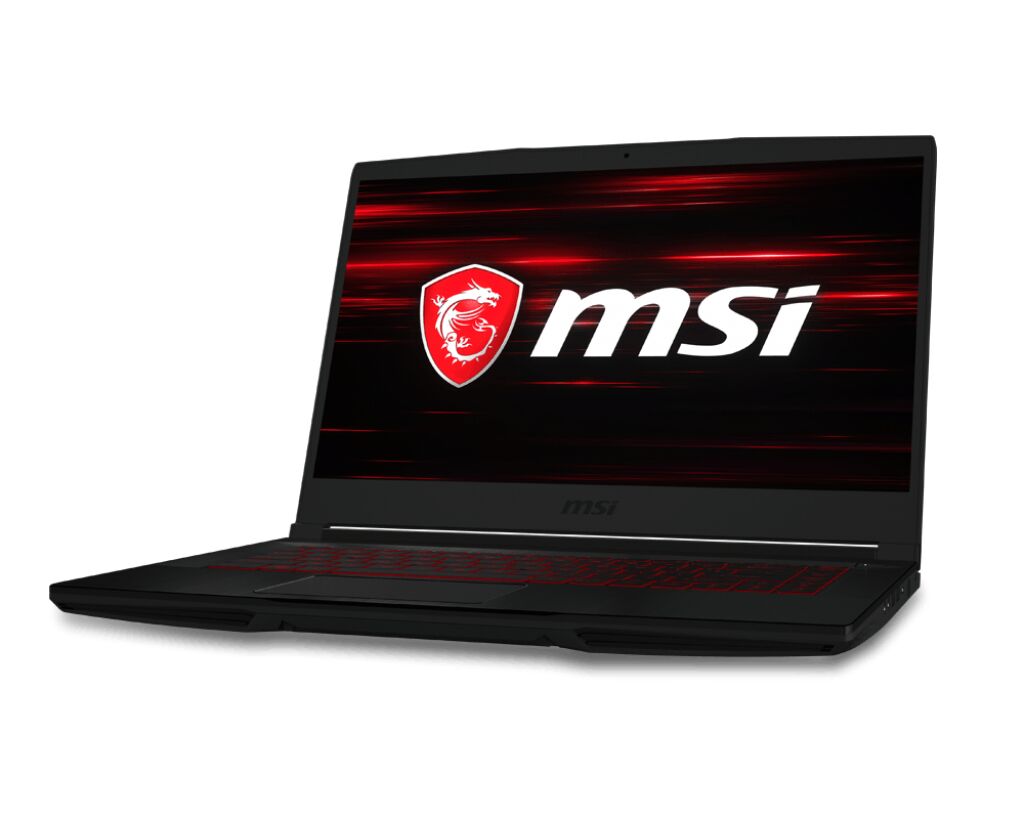
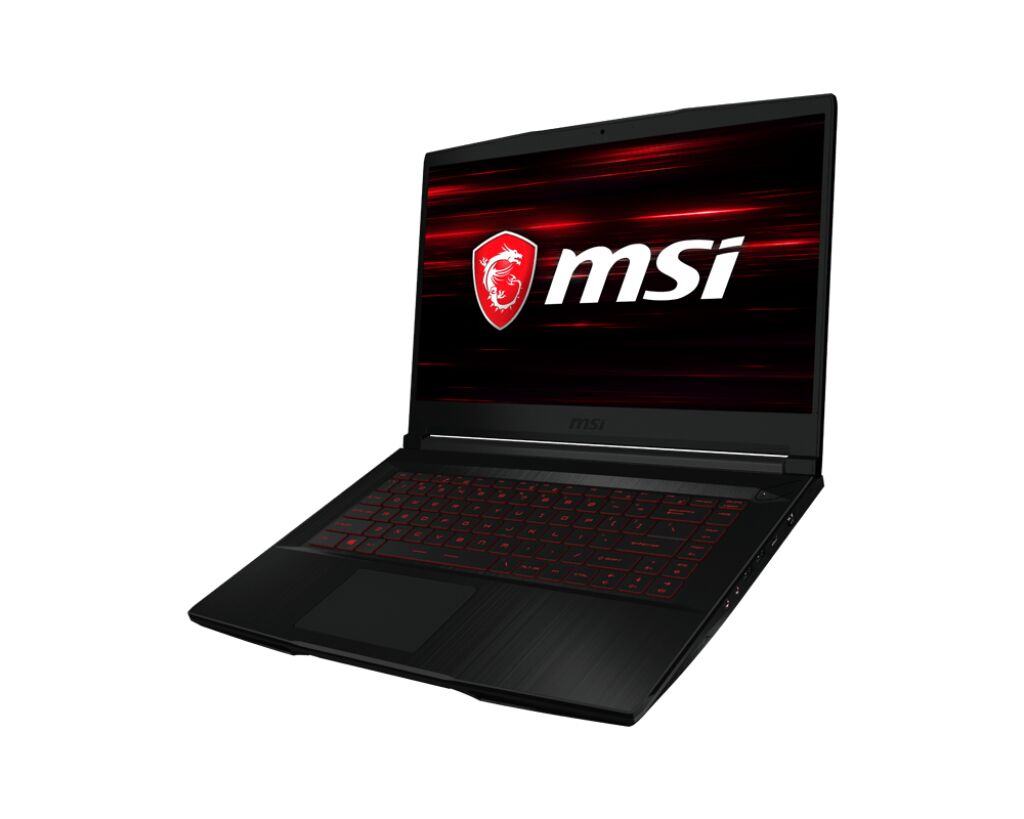
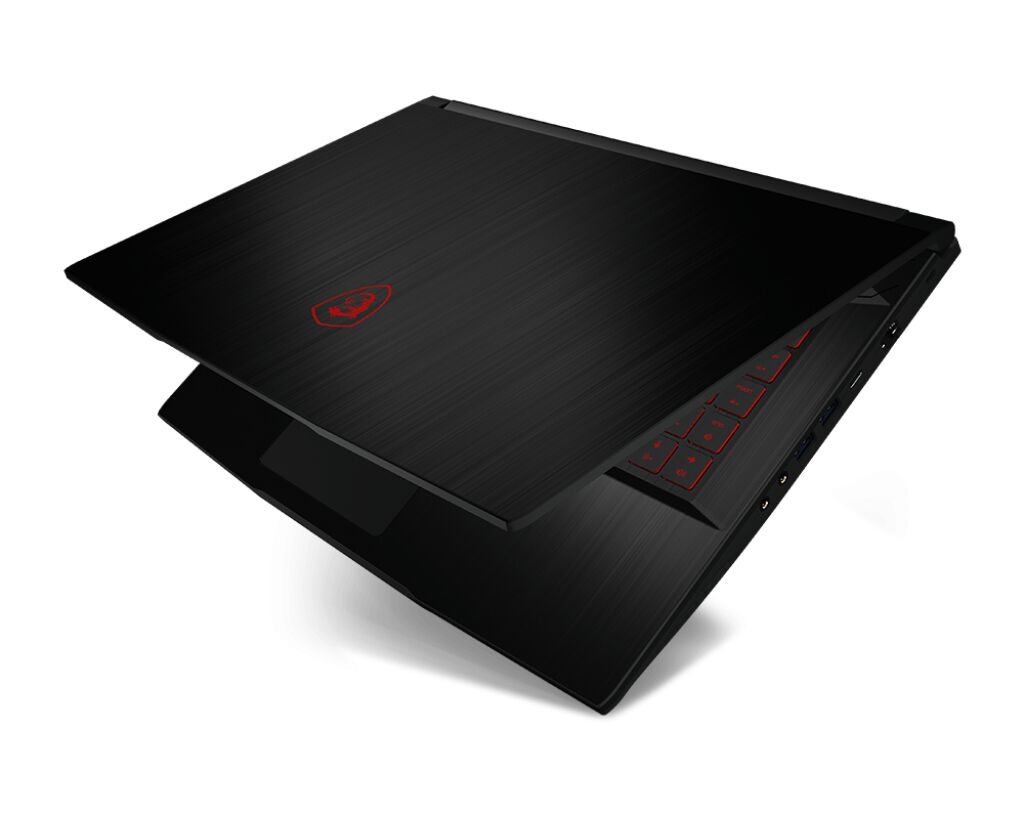
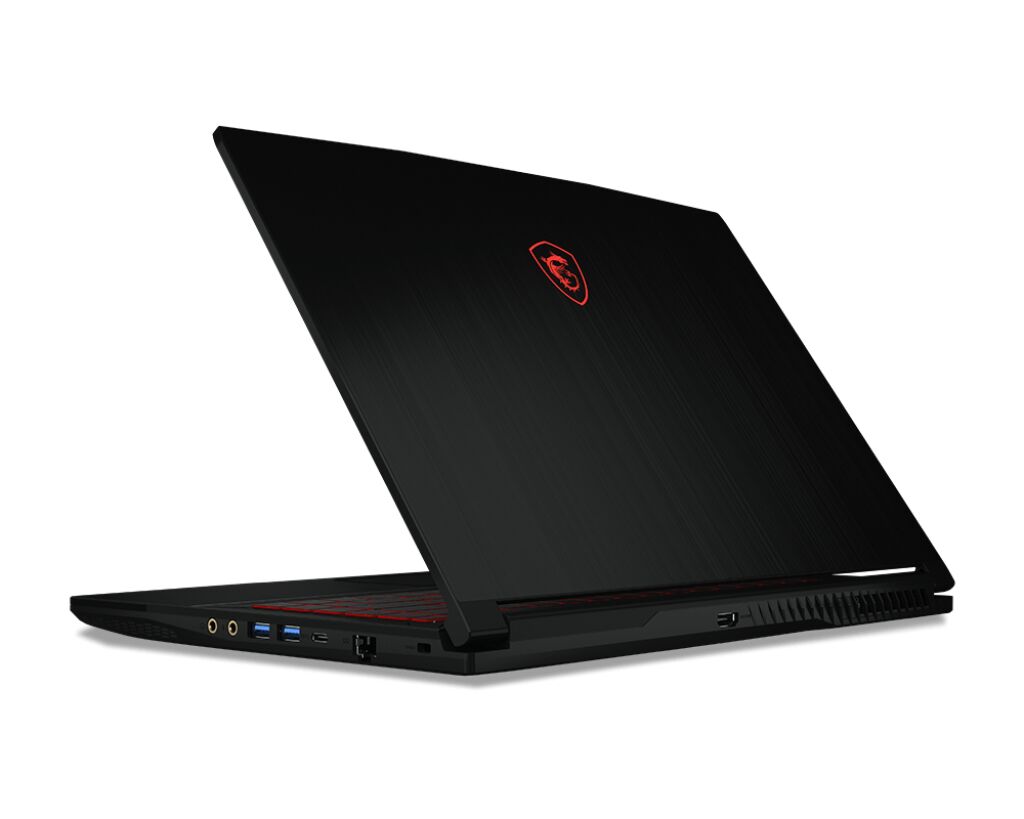
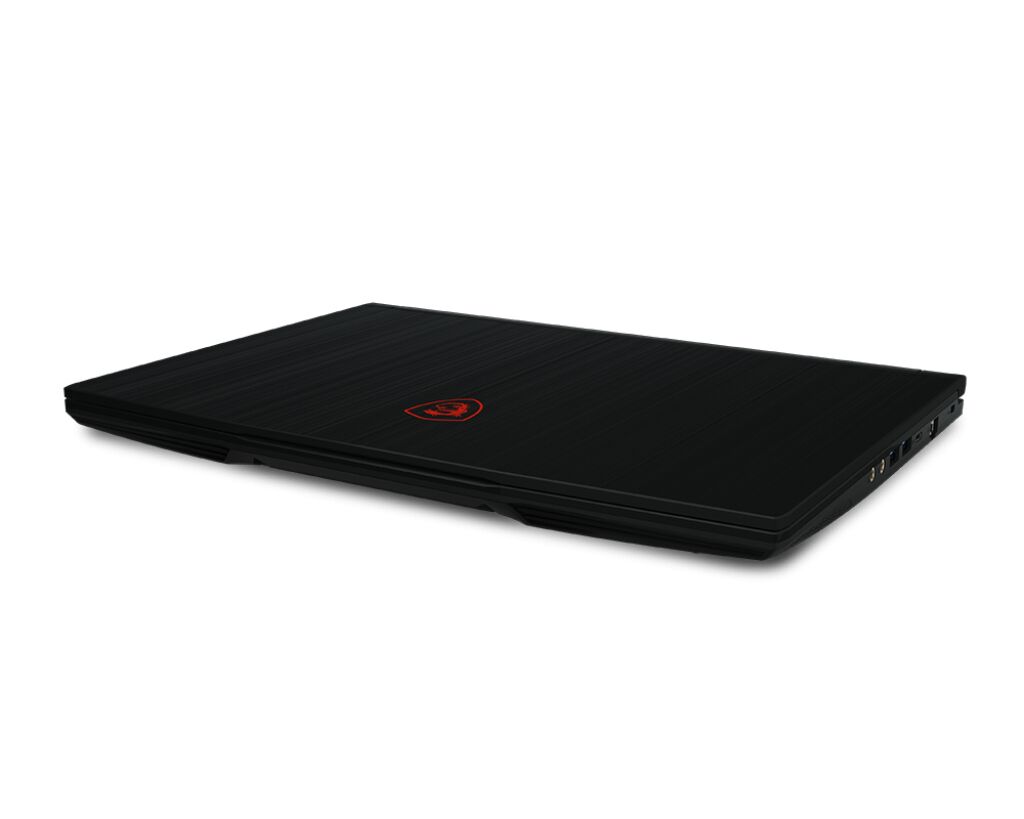
The MSI GF63 9RCX-683XRU Thin gaming laptop features DDR4-SDRAM memory upgrade specifications. The device contains 2x SO-DIMM slots for memory expansion. Maximum RAM capacity reaches 64 GB, supporting DDR4 modules operating at 2666 MHz frequency. Compatible memory upgrades utilize the SO-DIMM form factor, standard for portable computing systems. Specifications indicate the MSI GF gaming series supports modular memory configuration for enhanced performance.
Memory Upgrade Specifications
| Specification | Value |
|---|---|
| Memory slots | 2x SO-DIMM |
| Form factor | SO-DIMM |
| Memory type | DDR4-SDRAM |
| Frequency | 2666 MHz |
| Maximum RAM | 64 GB |
| Voltage | 1.2V |
| Number of pins | 260-pin |
| Interface | PC4 |
| PC Speed Rating | PC4-2666 (PC4-21328) |
| Bandwidth | 21.3 GB/s |
| Laptop Release date | 17 October 2019 |
Additional Notes
- The presence of 2 physical SO-DIMM slots confirms that the system operates in a dual-channel memory configuration, which significantly increases memory bandwidth for CPU-intensive tasks compared to single-channel setups.
- Since the MSI GF63 9RCX-683XRU Thin supports a maximum capacity of 64 GB, the motherboard architecture is compatible with high-density 32 GB modules in each slot.
- Installing memory modules with speeds exceeding 2666 MHz results in an automatic downclocking to the system bus frequency, as the chipset limits the maximum operational clock rate.
- Upgrading the memory requires the removal of the entire bottom chassis panel, which may involve breaking a factory seal sticker even though the hardware allows for user-serviceable expansion.
- Mixing modules with different latencies or timings forces the system to default to the slowest common denominator of the installed hardware, potentially increasing memory access latency.
- The internal layout of this thin-profile chassis means memory modules are positioned in close proximity to the cooling system, making low-voltage 1.2V DDR4 modules preferable to minimize localized heat buildup.
- Standard desktop DIMM modules are physically incompatible due to the SO-DIMM form factor requirements of the motherboard interface.