MSI Gaming GF63 9RCX-685XRU Thin RAM upgrade specifications

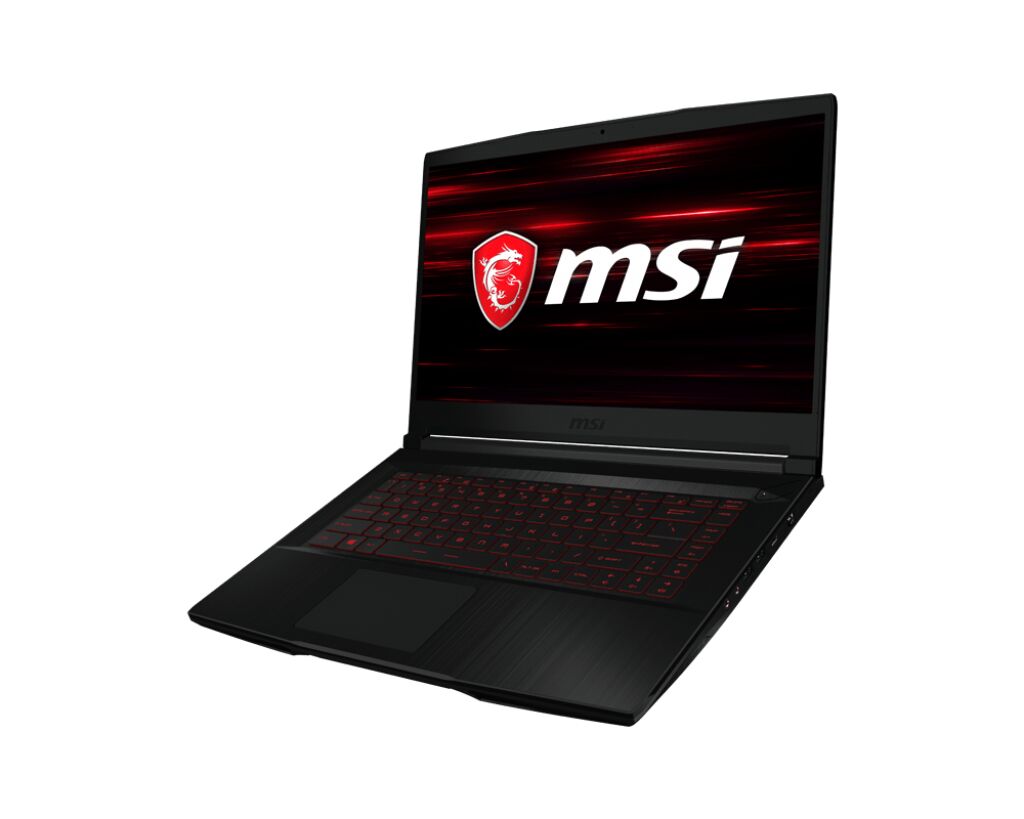
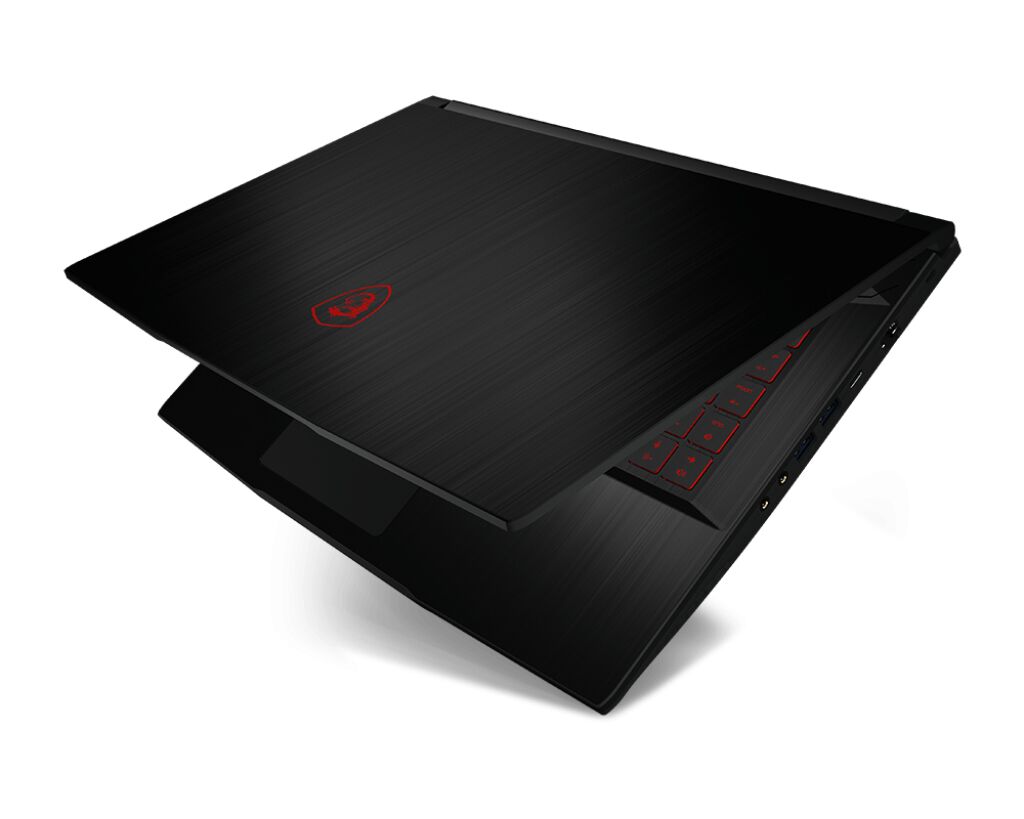

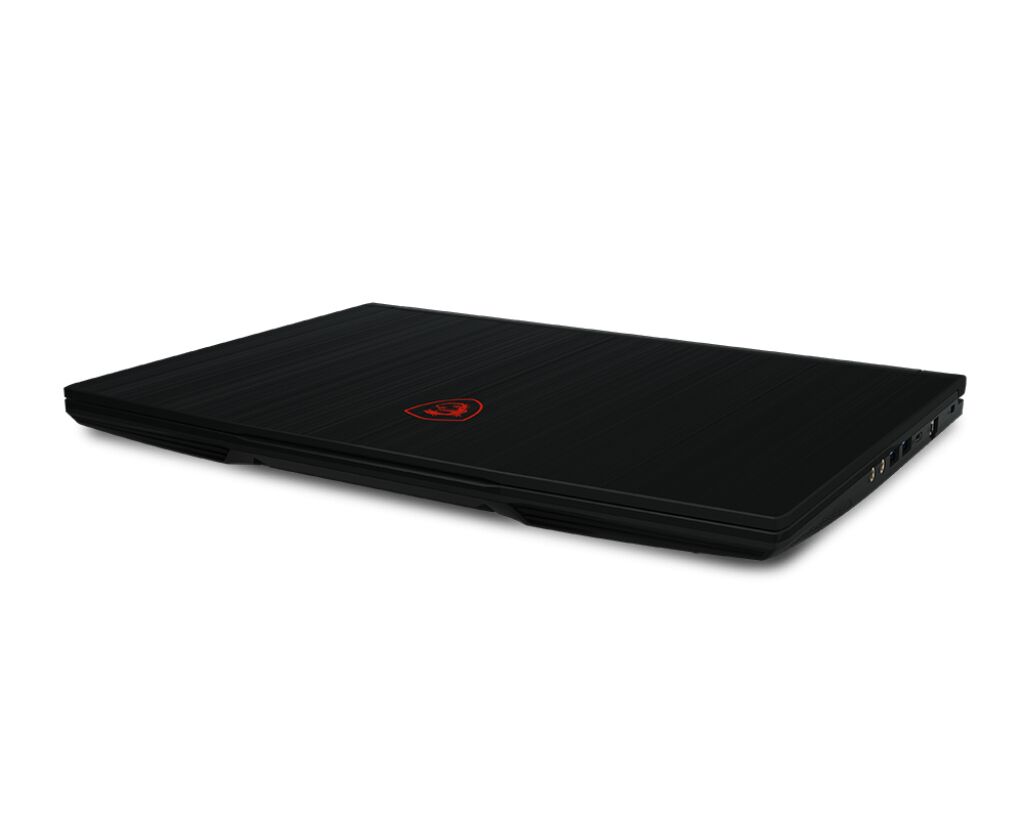
The MSI GF63 9RCX-685XRU Thin gaming laptop features DDR4-SDRAM memory specifications with two SO-DIMM slots supporting maximum RAM capacity of 64 GB. RAM upgrade compatibility includes DDR4 modules operating at 2666 MHz frequency. The GF series gaming model accommodates SO-DIMM form factor memory modules, enabling users to expand installed memory capacity through these two available slots. Specifications indicate maximum compatible memory configuration reaches 64 GB total capacity for the GF63 9RCX-685XRU Thin notebook platform.
Memory Upgrade Specifications
| Specification | Value |
|---|---|
| Memory slots | 2x SO-DIMM |
| Form factor | SO-DIMM |
| Memory type | DDR4-SDRAM |
| Frequency | 2666 MHz |
| Maximum RAM | 64 GB |
| Voltage | 1.2V |
| Number of pins | 260-pin |
| Interface | PC4 |
| PC Speed Rating | PC4-2666 (PC4-21328) |
| Bandwidth | 21.3 GB/s |
| Laptop Release date | 17 October 2019 |
Additional Notes
- The 2666 MHz frequency limitation stems from the 9th generation Intel Core processor's official memory controller specifications, meaning faster modules will downclock to this speed.
- Both SO-DIMM slots must remain accessible without motherboard removal, as the MSI GF63 9RCX-685XRU Thin features a bottom panel service door typical of this chassis generation.
- The 64 GB maximum capacity requires 2 modules of 32 GB each, a configuration that became widely available only after this model's initial release in 2019.
- DDR4-SDRAM operates at 1.2 volts standard, eliminating the voltage compatibility issues that affected DDR3 SO-DIMM upgrades in previous laptop generations.
- Single-channel operation occurs when only 1 slot is populated, reducing memory bandwidth to approximately 21 GB/s compared to 42 GB/s in dual-channel mode.
- The chipset supports non-ECC unbuffered memory exclusively, making registered or ECC SO-DIMMs incompatible despite matching physical dimensions.
- Mixing module capacities between slots maintains dual-channel operation only up to the capacity of the smaller module, with remaining capacity reverting to single-channel.
- CAS latency variations between CL19 and CL22 at 2666 MHz produce minimal real-world performance differences in gaming workloads, typically under 3 percent.
- The Intel HM370 chipset underlying this platform lacks native support for memory frequencies above 2666 MHz without overclocking profiles unavailable in most laptop firmware.
- Module height clearance remains unrestricted in SO-DIMM form factor, as no heatspreaders exceed the standardized 3.8 mm component height limitation.