MSI Gaming GF63 9SC-032FR Thin RAM upgrade specifications
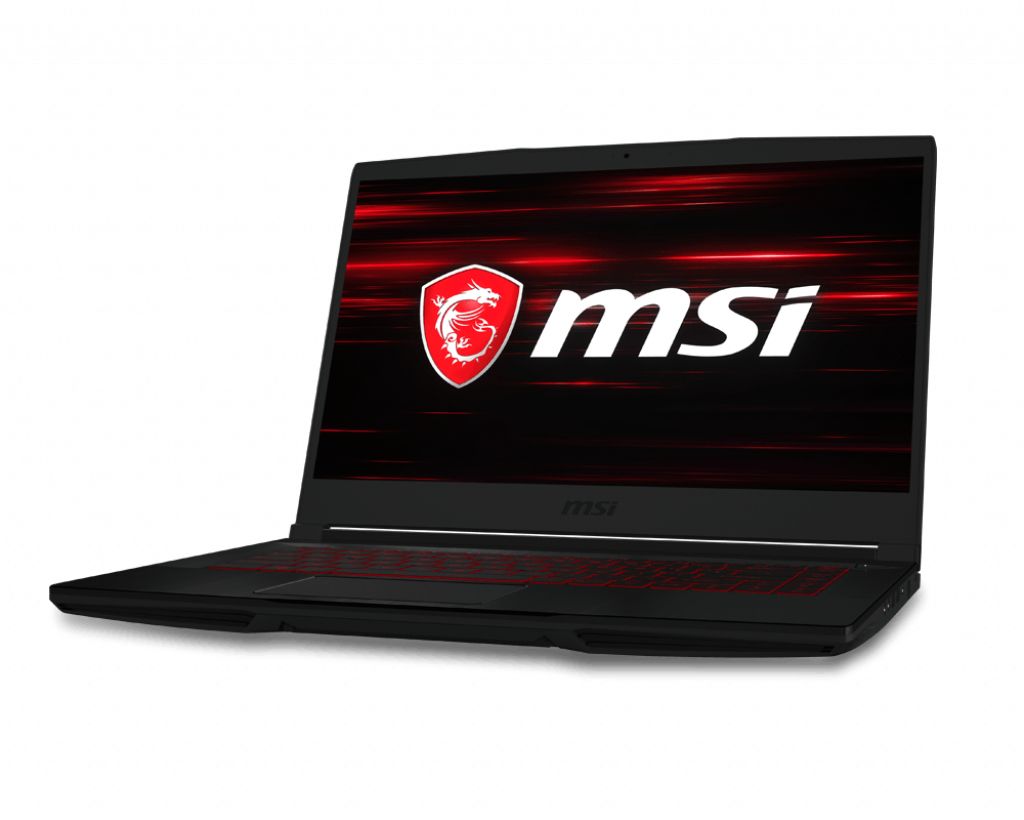
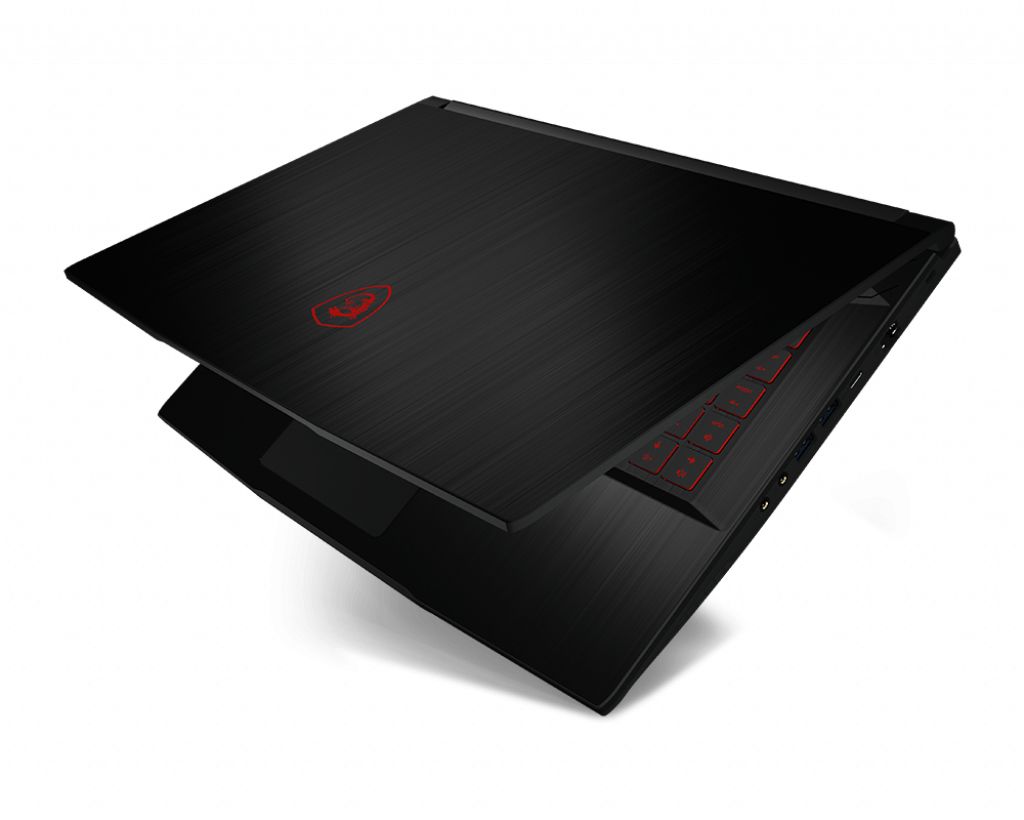
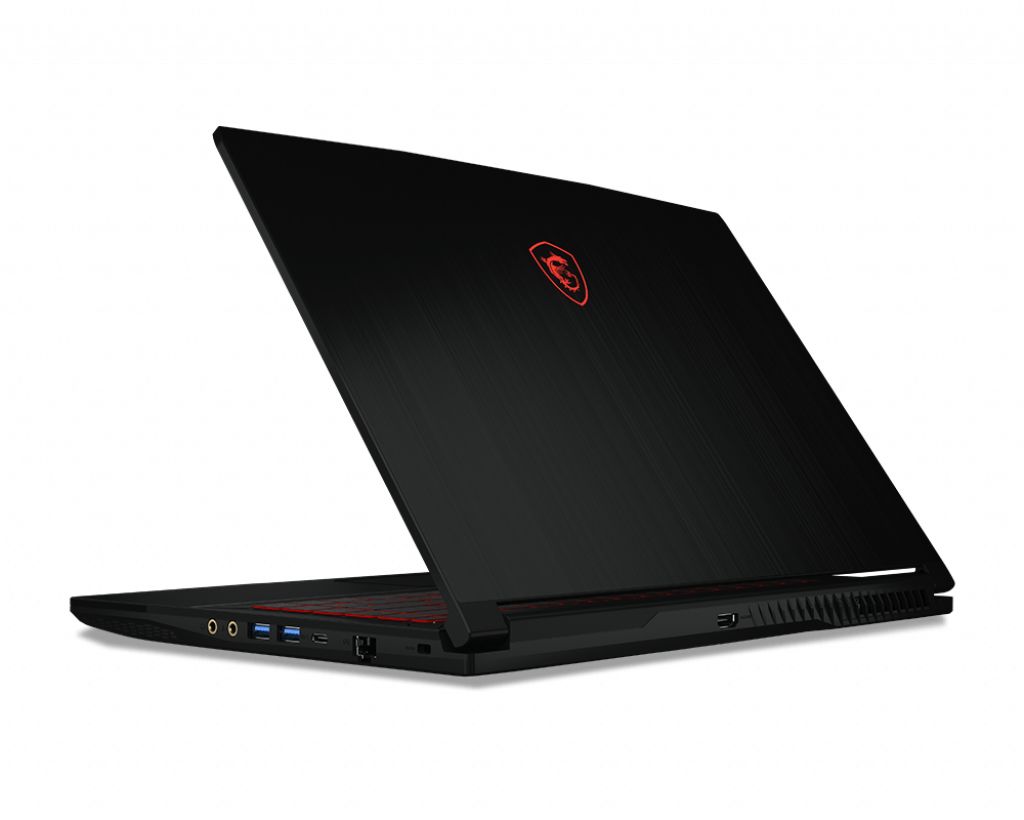
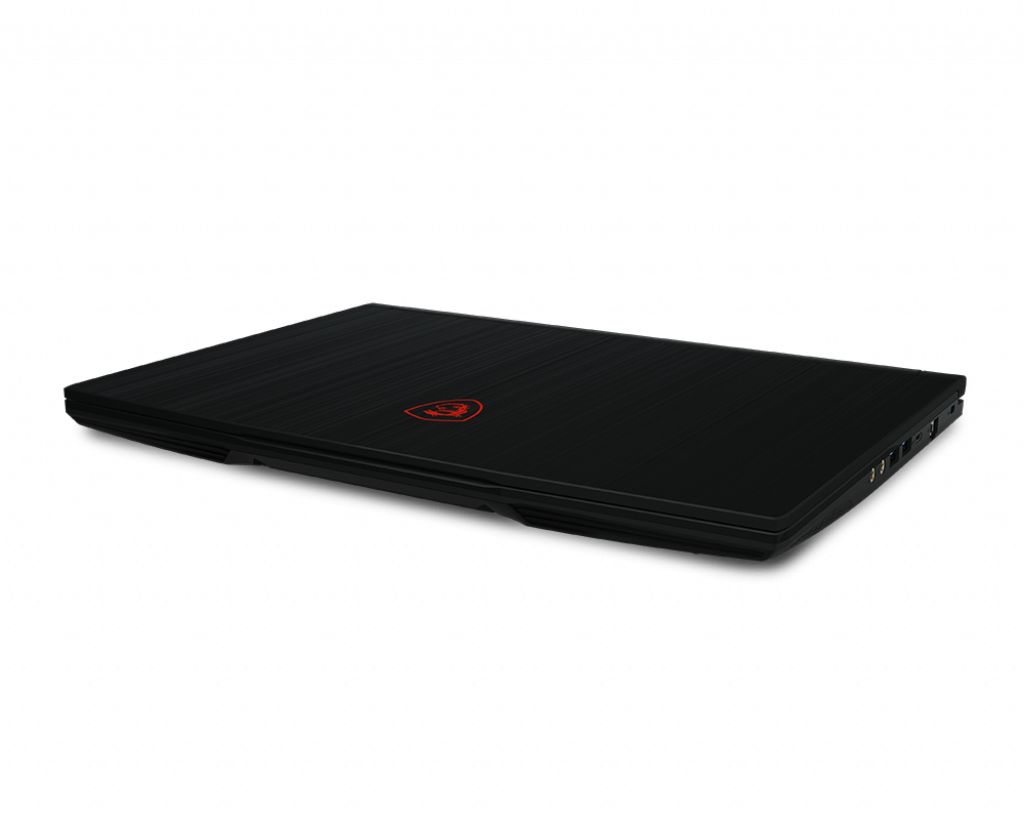
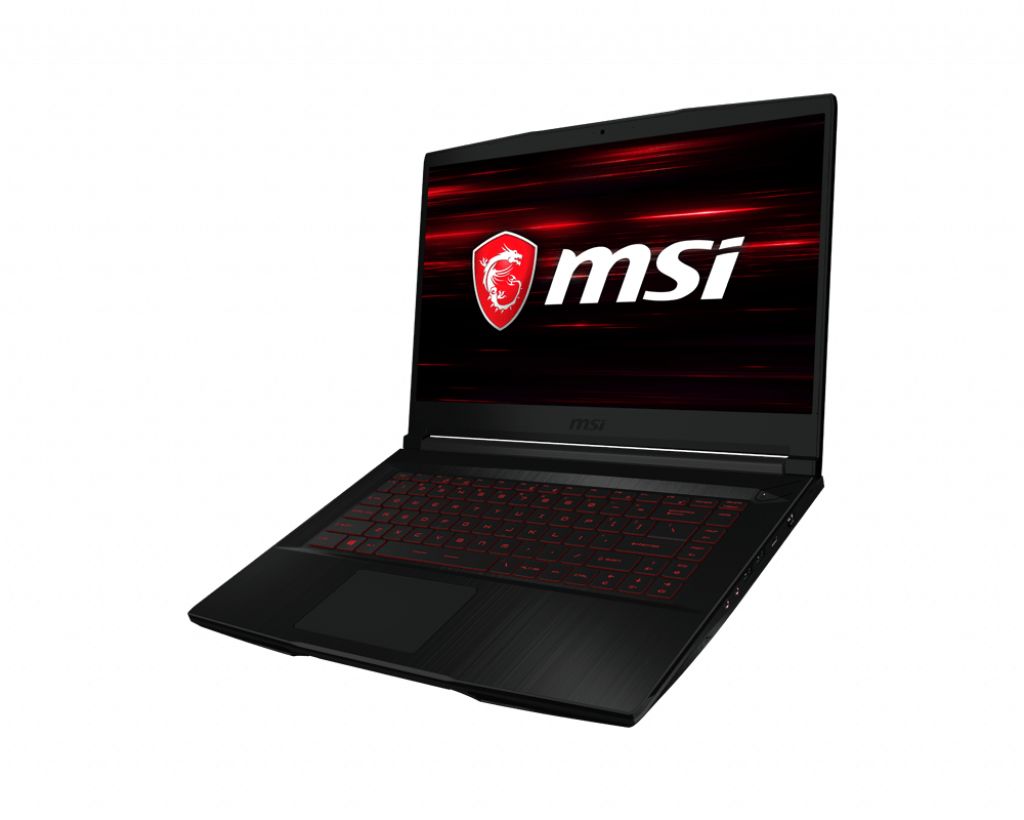
The MSI GF63 9SC-032FR Thin gaming laptop features two SO-DIMM slots for DDR4-SDRAM memory expansion. The upgrade specifications support a maximum capacity of 64 GB total RAM. Compatible modules operate at 2666 MHz frequency. Current memory configuration details and compatible RAM specifications enable users to expand storage capacity through the available SO-DIMM slots on the GF series gaming system.
Memory Upgrade Specifications
| Specification | Value |
|---|---|
| Memory slots | 2x SO-DIMM |
| Form factor | SO-DIMM |
| Memory type | DDR4-SDRAM |
| Frequency | 2666 MHz |
| Maximum RAM | 64 GB |
| Voltage | 1.2V |
| Number of pins | 260-pin |
| Interface | PC4 |
| PC Speed Rating | PC4-2666 (PC4-21328) |
| Bandwidth | 21.3 GB/s |
| Laptop Release date | 10 July 2019 |
Additional Notes
- The MSI GF63 9SC-032FR Thin uses SO-DIMM modules exclusively, preventing compatibility with standard desktop DIMM memory despite identical DDR4 technology.
- Achieving the 64 GB maximum requires two 32 GB modules, which typically carry premium pricing compared to more common 8 GB or 16 GB configurations.
- The 2666 MHz frequency operates within JEDEC standard specifications, ensuring compatibility with both higher-speed modules that will downclock and lower-speed variants that match natively.
- Both memory slots must remain accessible without motherboard removal, though chassis disassembly requirements vary by manufacturer design and may affect warranty status if seals are broken.
- Mixing modules with different speeds will force all installed memory to operate at the slowest module's rated frequency, creating potential performance inefficiencies.
- The absence of ECC support in standard DDR4-SDRAM configurations means error correction remains unavailable regardless of module selection.
- Intel's 9th generation platform supports dual-channel architecture, making matched pairs essential for maximizing memory bandwidth at 42.6 GB/s theoretical throughput.
- Single-rank versus dual-rank module topology affects performance differently across workloads, with dual-rank configurations sometimes providing marginal gains in memory-intensive applications.
- Voltage specifications default to 1.2V for DDR4, though some aftermarket modules may require BIOS adjustments if rated at non-standard voltages like 1.35V.
- Thermal considerations become relevant at maximum capacity, as 64 GB generates more heat than lower-density configurations in the confined SO-DIMM form factor.