MSI Gaming GF63 9SC-046BE Thin RAM upgrade specifications
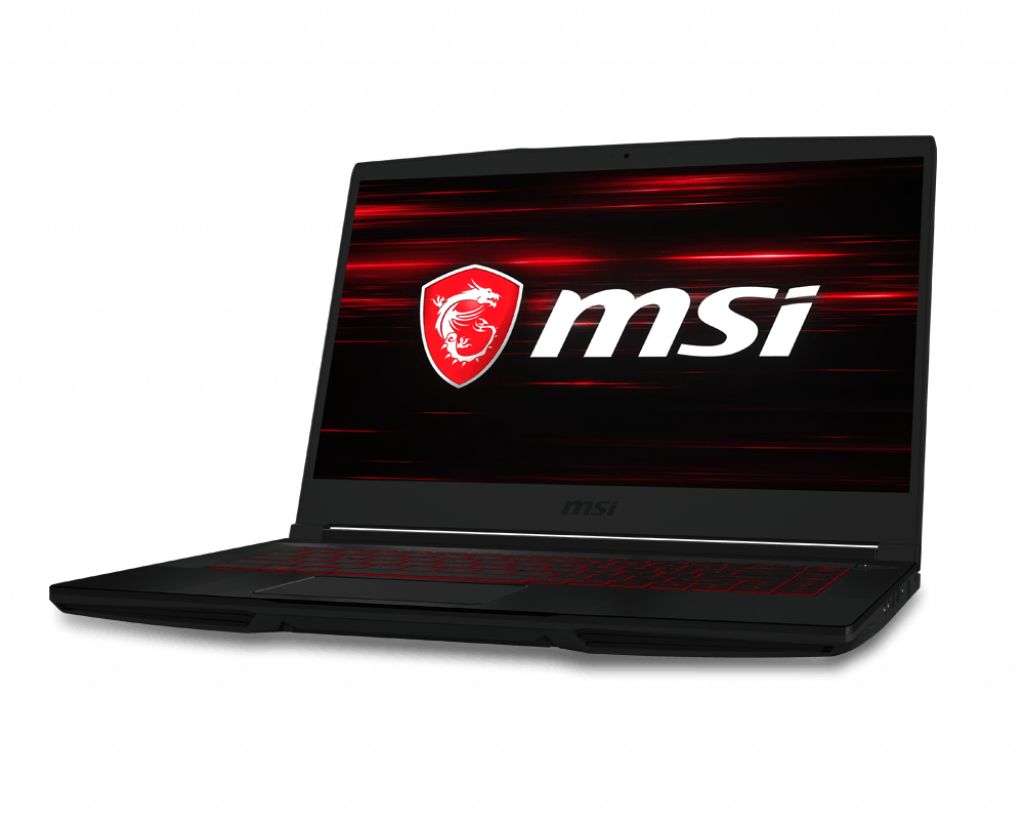
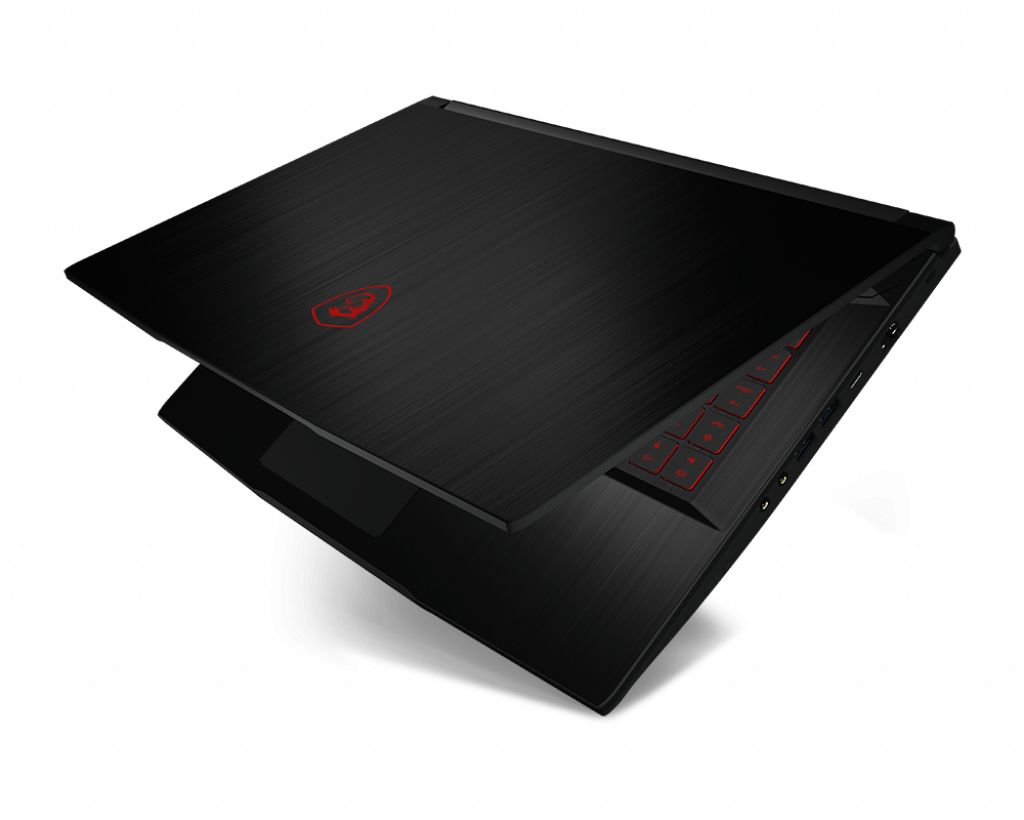

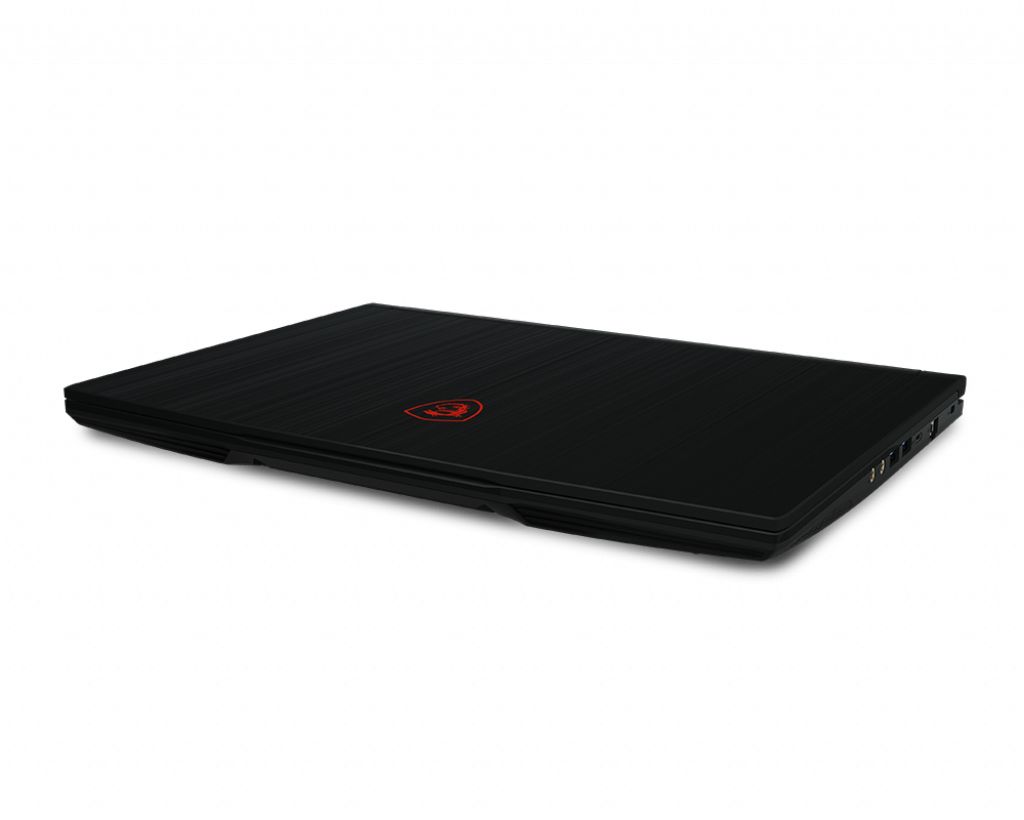
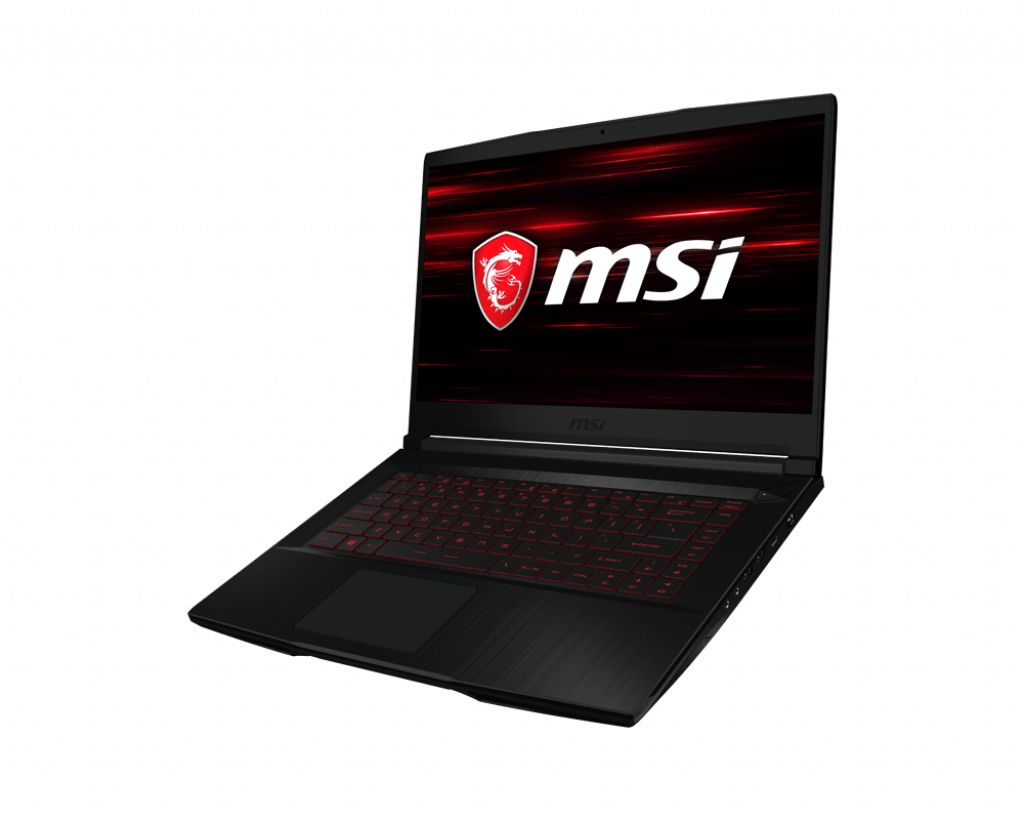
The MSI GF63 9SC-046BE Thin gaming laptop features two SO-DIMM slots supporting DDR4-SDRAM memory modules. Maximum RAM capacity reaches 64 GB total, with compatible memory operating at 2666 MHz frequency. Current specifications allow for memory upgrades within the SO-DIMM form factor. The Gaming GF series supports DDR4 technology for enhanced performance. Upgrade options enable users to expand memory capacity from existing configuration up to the 64 GB maximum supported by this MSI model.
Memory Upgrade Specifications
| Specification | Value |
|---|---|
| Memory slots | 2x SO-DIMM |
| Form factor | SO-DIMM |
| Memory type | DDR4-SDRAM |
| Frequency | 2666 MHz |
| Maximum RAM | 64 GB |
| Voltage | 1.2V |
| Number of pins | 260-pin |
| Interface | PC4 |
| PC Speed Rating | PC4-2666 (PC4-21328) |
| Bandwidth | 21.3 GB/s |
| Laptop Release date | 08 April 2019 |
Additional Notes
- The MSI GF63 9SC-046BE Thin contains 2 SO-DIMM slots with a combined ceiling of 64 GB, requiring matched pairs for dual-channel performance; single-module upgrades will operate in single-channel mode and reduce memory bandwidth by approximately 50 percent.
- DDR4-2666 MHz represents the qualified speed tier for this platform; modules rated above 2666 MHz will downclock to 2666 MHz due to BIOS firmware constraints tied to the 9th-generation Intel processor configuration, making premium-speed RAM economically inefficient for this system.
- SO-DIMM physical constraints restrict upgrade options to laptop-specific memory modules; full-size DIMM sticks cannot physically install, and adapter solutions are unreliable and void manufacturer support.
- Reaching the 64 GB maximum requires 2x32 GB SO-DIMM modules; 32 GB modules remain production-limited and carry price premiums, making 16 GB per slot a more practical interim upgrade path.
- Memory upgrades on this platform carry zero warranty risk; SO-DIMM replacement falls outside most manufacturer exclusions and requires no soldering or firmware modification, allowing warranty-safe capacity expansion without service center involvement.
- Latency performance is secondary to frequency when evaluating DDR4-2666 compatibility; CAS latency values between 17 and 19 produce negligible real-world performance variance in gaming and productivity workloads, so module selection can prioritize cost over latency specs.