MSI Gaming GF63 9SC-053 Thin RAM upgrade specifications
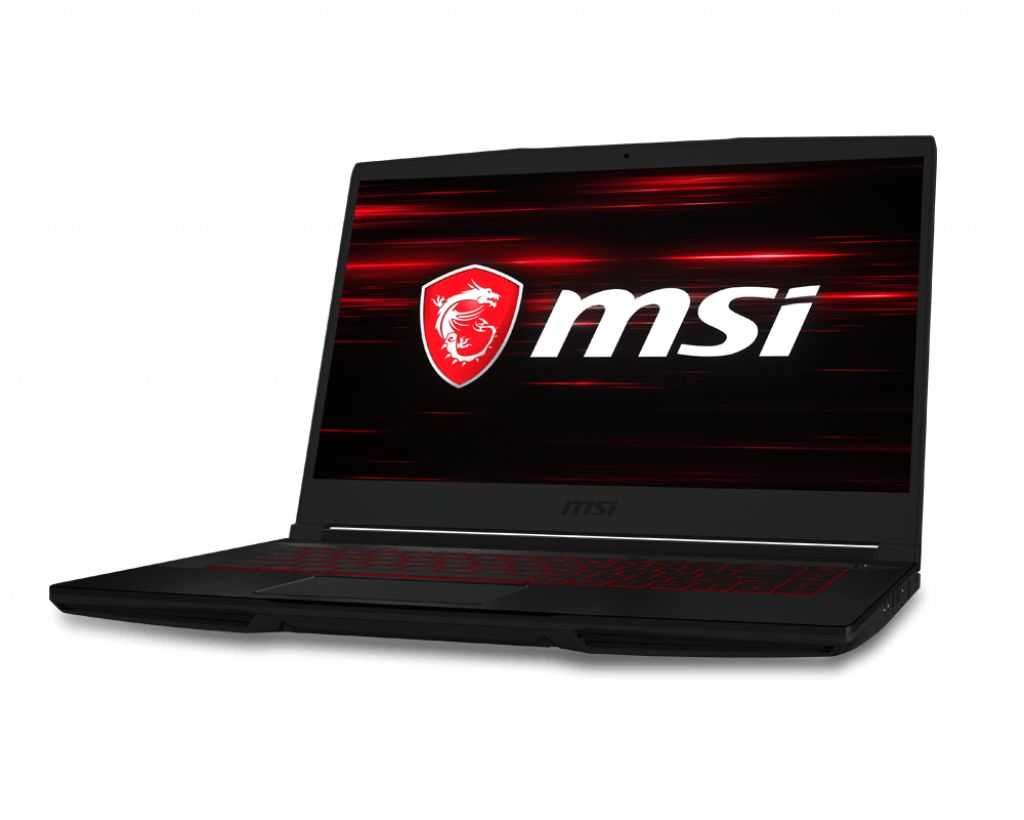
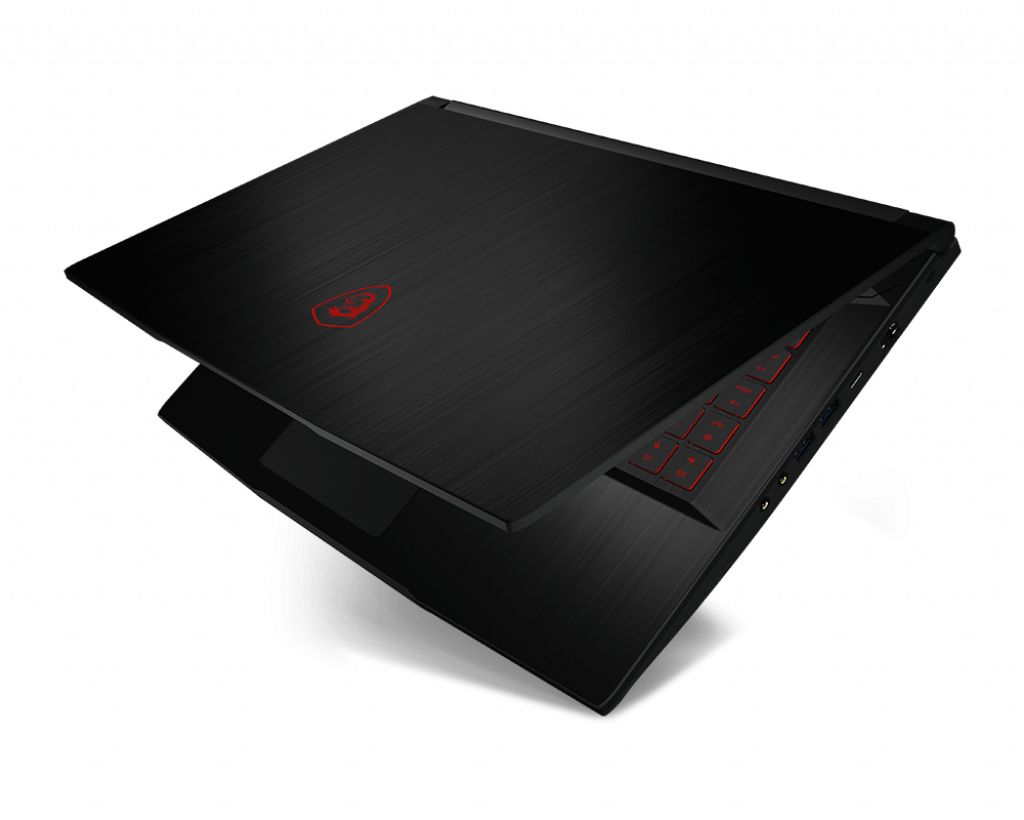
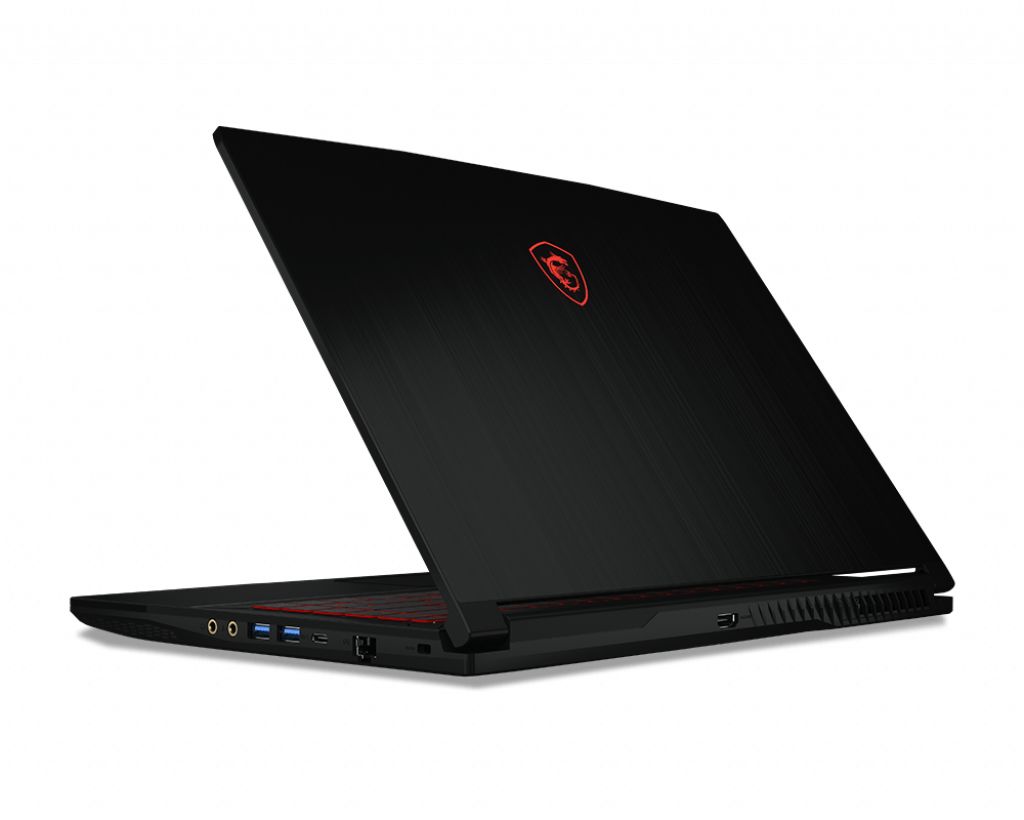
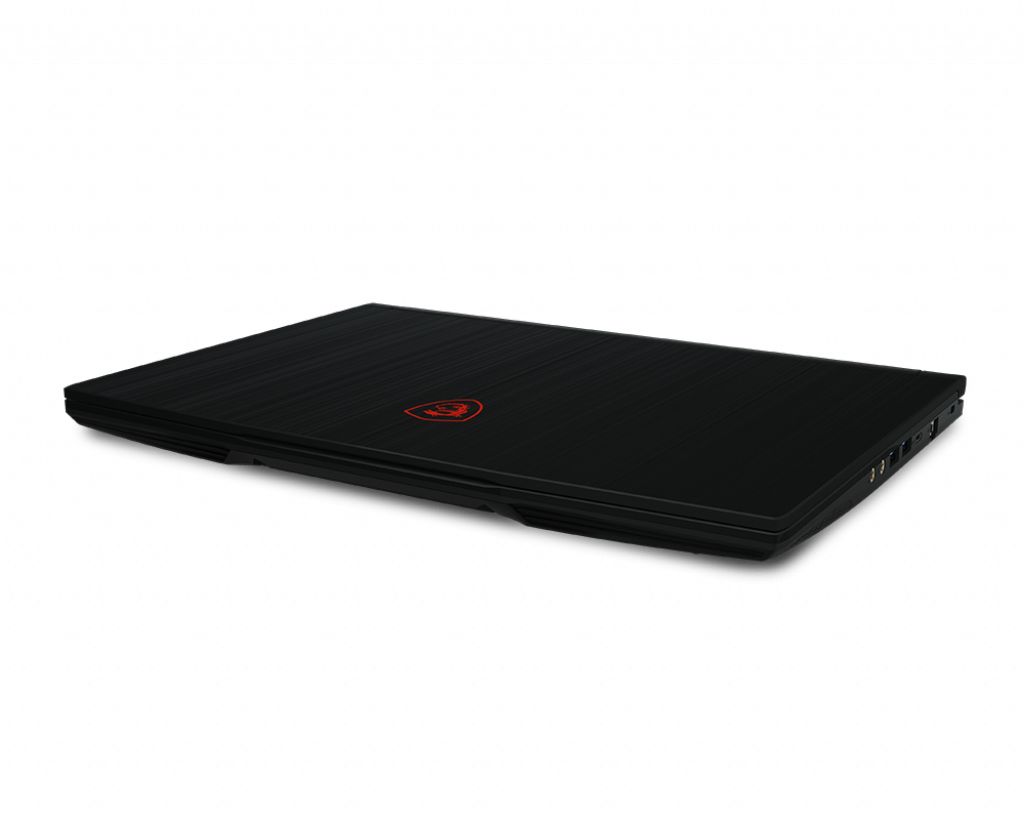
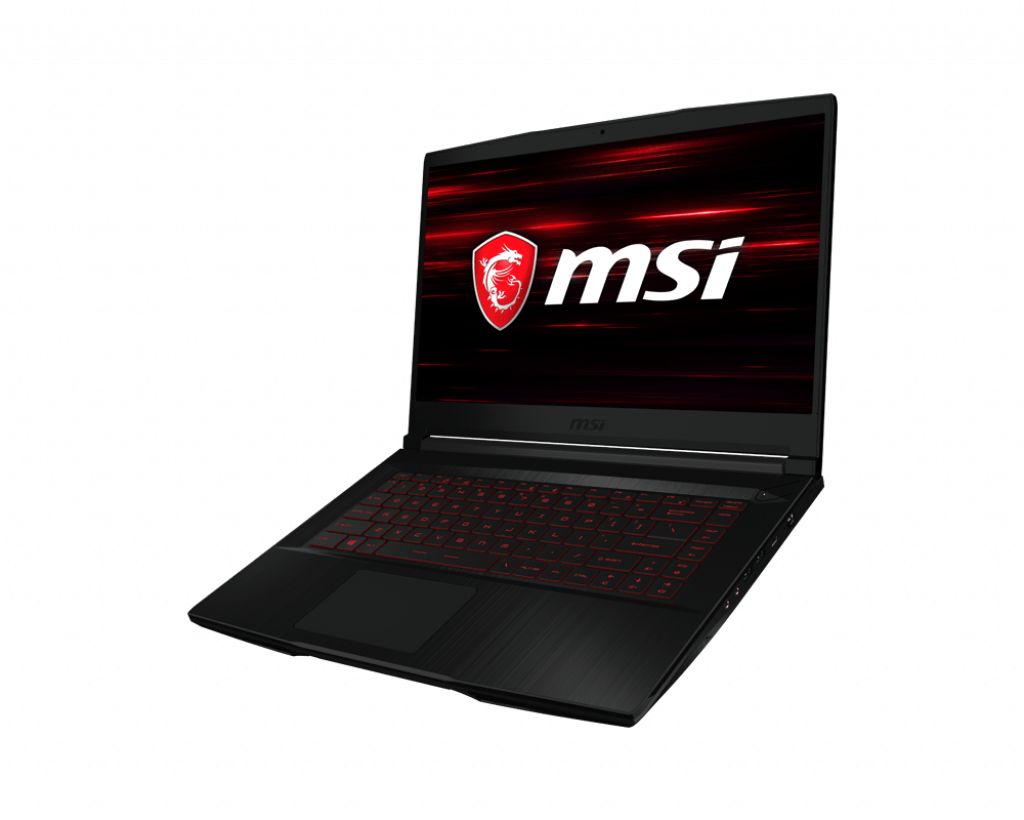
MSI GF63 9SC-053 Thin gaming laptop supports DDR4-SDRAM memory upgrades with 2x SO-DIMM slots. Maximum RAM capacity reaches 64 GB total, operating at 2666 MHz frequency. Compatible memory modules utilize SO-DIMM form factor for laptop integration. Specifications enable users to expand memory beyond factory configuration for enhanced multitasking performance and system responsiveness on the GF series platform.
Memory Upgrade Specifications
| Specification | Value |
|---|---|
| Memory slots | 2x SO-DIMM |
| Form factor | SO-DIMM |
| Memory type | DDR4-SDRAM |
| Frequency | 2666 MHz |
| Maximum RAM | 64 GB |
| Voltage | 1.2V |
| Number of pins | 260-pin |
| Interface | PC4 |
| PC Speed Rating | PC4-2666 (PC4-21328) |
| Bandwidth | 21.3 GB/s |
| Laptop Release date | 04 October 2019 |
Additional Notes
- The MSI GF63 9SC-053 Thin supports dual-channel memory architecture through its 2 SO-DIMM slots, enabling up to double the memory bandwidth compared to single-channel configurations when matched modules are installed.
- Desktop DDR4 DIMMs are physically incompatible with this system, requiring the smaller SO-DIMM format designed for laptops and compact devices.
- While the system specifications list 2666 MHz operation, ninth-generation Intel mobile processors may support higher frequency modules that will downclock to match the platform's maximum supported speed.
- Upgrading to the 64 GB maximum capacity requires two 32 GB modules, which must both be installed to maintain dual-channel performance benefits.
- Non-matching module capacities or speeds across the two slots will force the system to operate at the lower speed or disable dual-channel mode, reducing memory subsystem performance.
- The SO-DIMM installation process in thin gaming laptops typically requires bottom panel removal, with potential warranty implications if manufacturer seals are present.
- Systems shipped with single modules leave one slot unpopulated, presenting an upgrade path without removing existing memory, though matching specifications ensures optimal compatibility.
- DDR4-2666 represents a JEDEC standard speed, meaning compatibility is broader than with higher overclocked frequencies that may require XMP profile support absent in many laptop platforms.
- The 64 GB ceiling exceeds the requirements of most gaming workloads as of 2024, positioning this capacity limit as sufficient for content creation and virtual machine applications.
- Memory bandwidth at 2666 MHz provides approximately 21.3 GB/s per channel, totaling 42.6 GB/s in dual-channel configuration, which influences performance in bandwidth-sensitive applications.