MSI Gaming GF63 9SC-059CA Thin RAM upgrade specifications

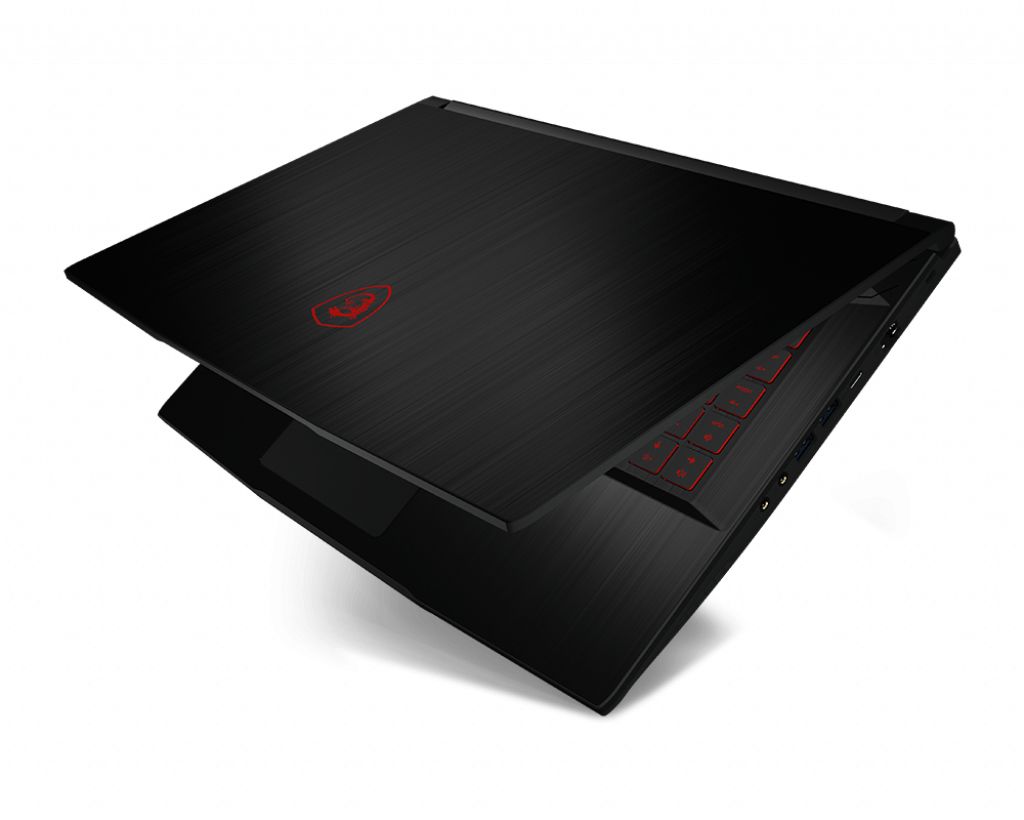

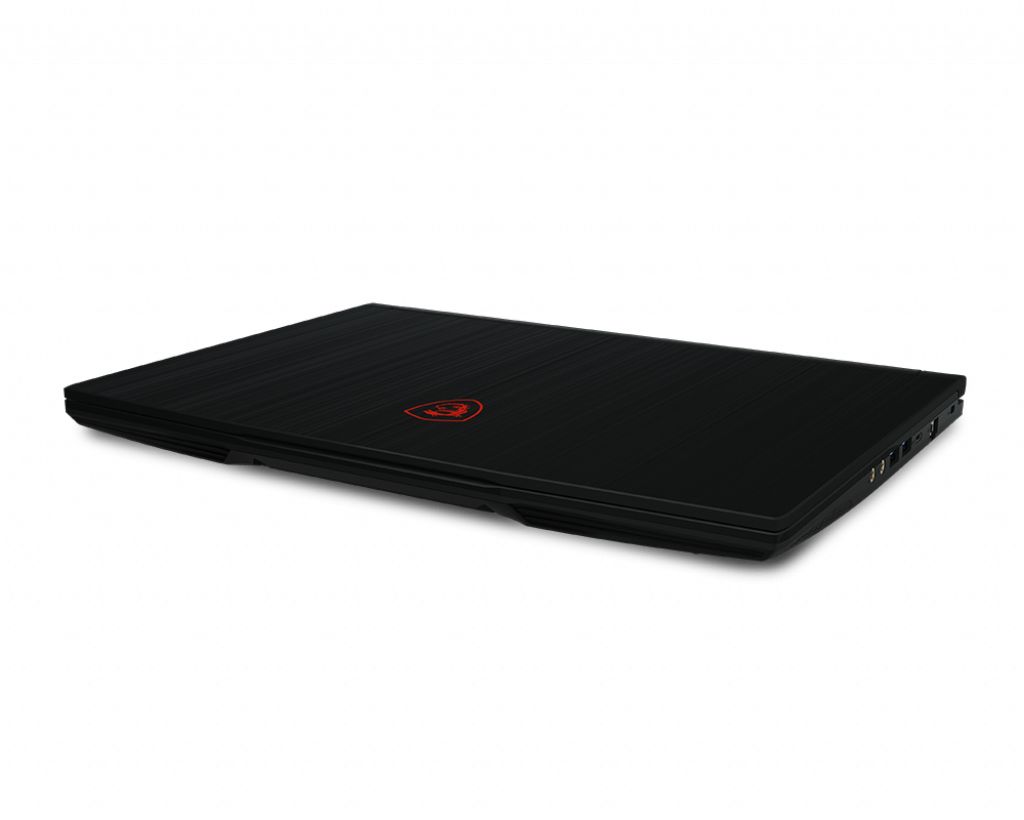
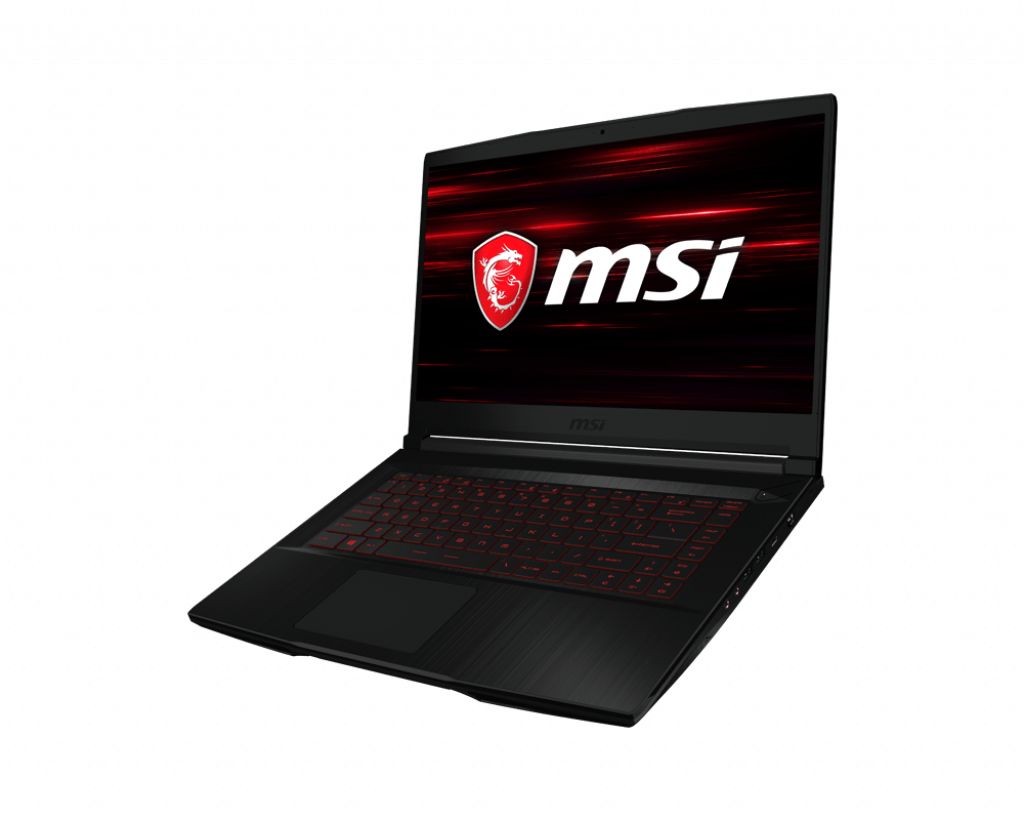
The MSI GF63 9SC-059CA Thin Gaming series laptop features DDR4-SDRAM memory upgrade specifications. The system includes 2x SO-DIMM slots with a maximum RAM capacity of 64 GB. Memory operates at 2666 MHz frequency and utilizes SO-DIMM form factor. Compatible memory upgrades for the GF63 9SC-059CA Thin support DDR4 specifications, allowing users to expand system memory up to the maximum 64 GB capacity across available slots. Upgrade configurations depend on existing memory modules and slot availability.
Memory Upgrade Specifications
| Specification | Value |
|---|---|
| Memory slots | 2x SO-DIMM |
| Form factor | SO-DIMM |
| Memory type | DDR4-SDRAM |
| Frequency | 2666 MHz |
| Maximum RAM | 64 GB |
| Voltage | 1.2V |
| Number of pins | 260-pin |
| Interface | PC4 |
| PC Speed Rating | PC4-2666 (PC4-21328) |
| Bandwidth | 21.3 GB/s |
| Laptop Release date | 27 May 2019 |
Additional Notes
- The MSI GF63 9SC-059CA Thin's dual SO-DIMM configuration supports asymmetrical memory population, permitting replacement of a single module without discarding the existing stick, provided both operate at compatible speeds.
- DDR4-2666 MHz represents the qualified specification ceiling. Installing faster DDR4 modules will auto-downclock to 2666 MHz, eliminating performance gains from higher-frequency RAM while increasing hardware cost unnecessarily.
- The 64 GB maximum capacity constraint stems from SO-DIMM physical density limits rather than chipset restriction, establishing a hard upgrade boundary that cannot be circumvented through BIOS modifications.
- SO-DIMM slot design introduces spatial proximity concerns within the chassis. Tall heatspreader modules may contact adjacent components or create thermal dead zones, requiring verification of module height specifications before purchase.
- Single-channel to dual-channel transition produces measurable latency reduction and bandwidth scaling, particularly affecting gaming frame rates and 3D rendering tasks when upgrading from a single populated slot configuration.
- Factory memory configurations typically run at default JEDEC 2666 MHz timings. Aftermarket SO-DIMM modules from different manufacturers may exhibit timing mismatches during multi-module operation, potentially requiring manual BIOS synchronization or acceptance of conservative timing parameters.