MSI Gaming GF63 9SC-066 Thin RAM upgrade specifications
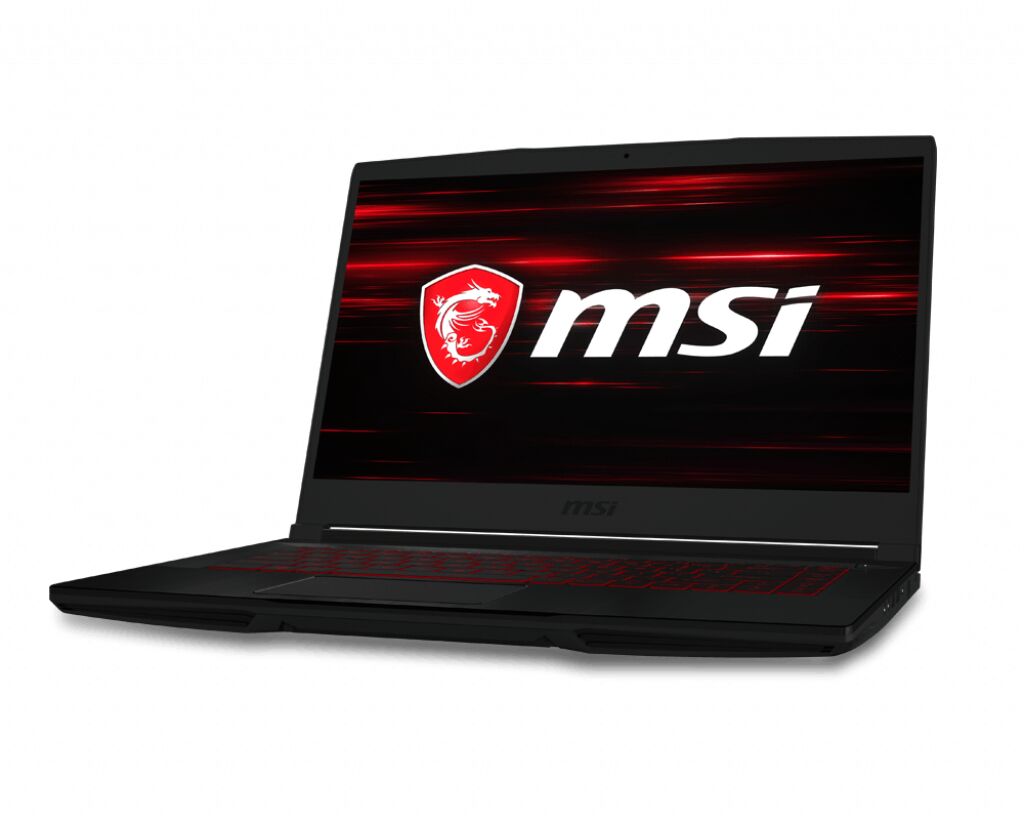
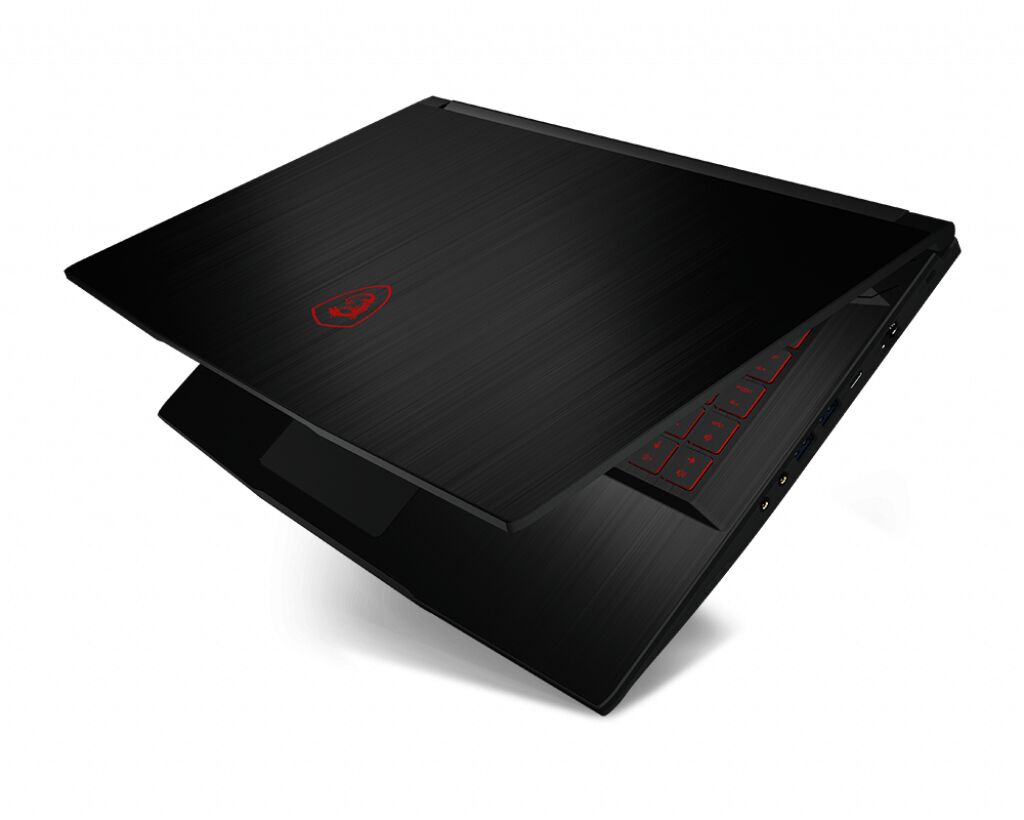
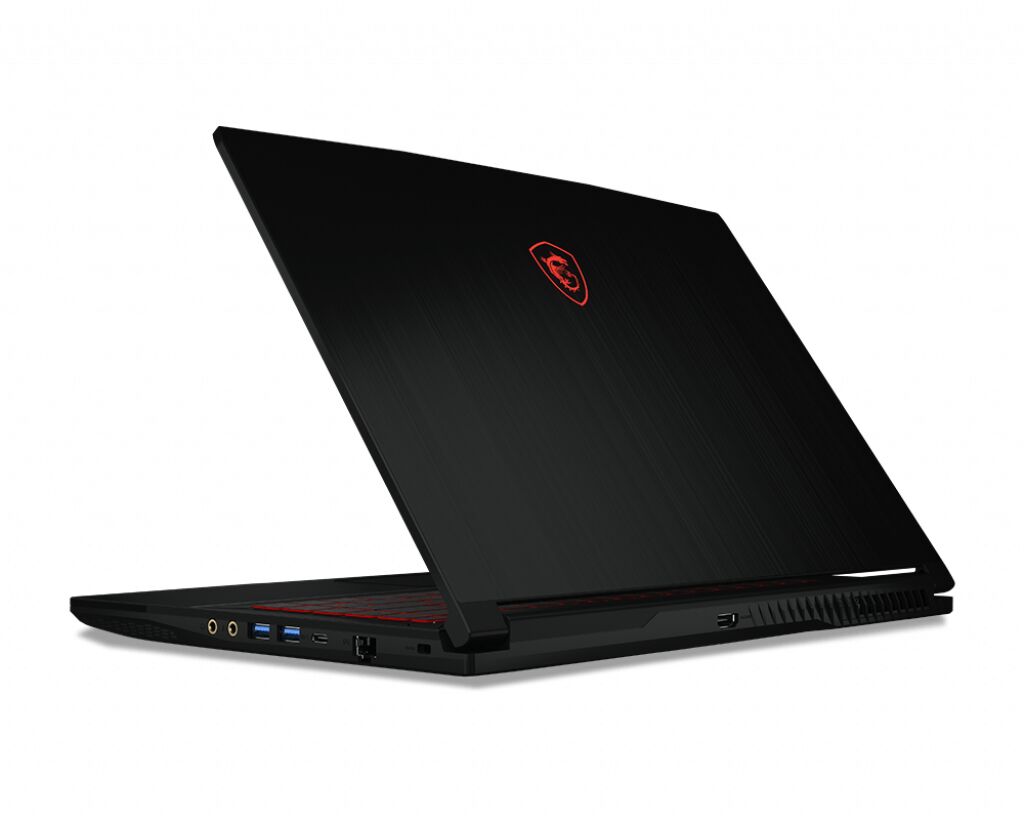
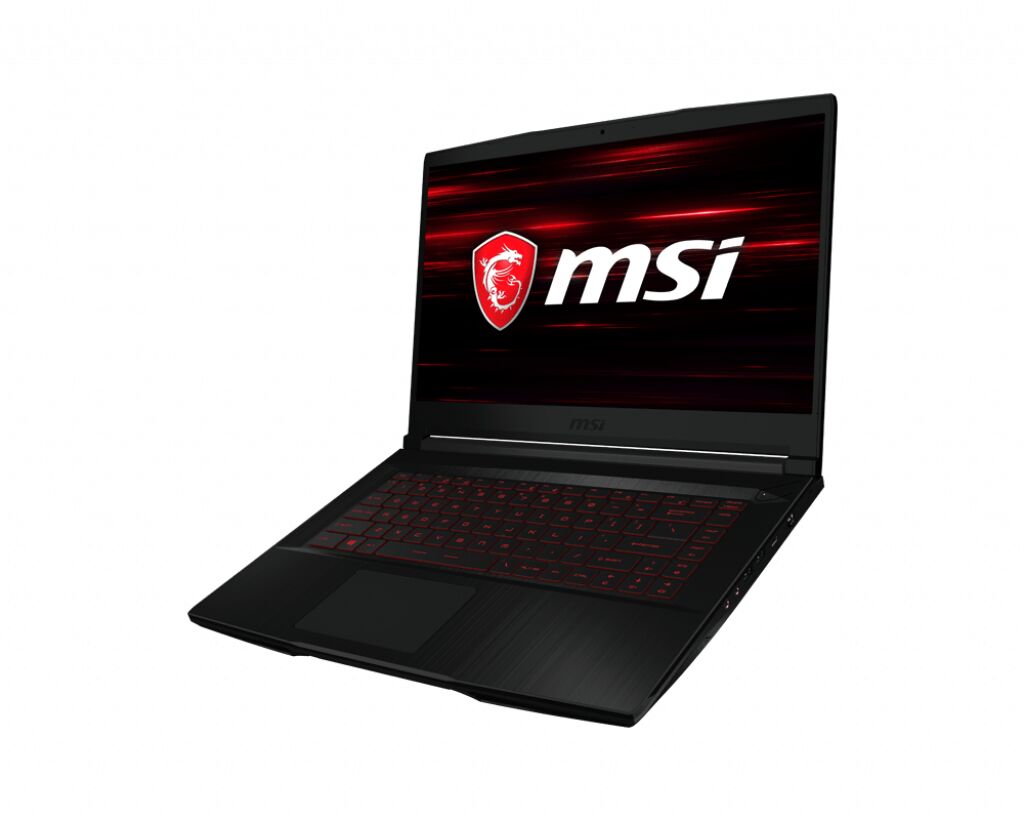
The MSI GF63 9SC-066 Thin gaming laptop features DDR4-SDRAM memory upgrade capabilities. The system contains 2x SO-DIMM memory slots supporting a maximum RAM capacity of 64 GB. Compatible memory modules operate at 2666 MHz frequency with SO-DIMM form factor specifications. Upgrade options allow expansion of installed memory to meet enhanced performance requirements for the GF series gaming platform.
Memory Upgrade Specifications
| Specification | Value |
|---|---|
| Memory slots | 2x SO-DIMM |
| Form factor | SO-DIMM |
| Memory type | DDR4-SDRAM |
| Frequency | 2666 MHz |
| Maximum RAM | 64 GB |
| Voltage | 1.2V |
| Number of pins | 260-pin |
| Interface | PC4 |
| PC Speed Rating | PC4-2666 (PC4-21328) |
| Bandwidth | 21.3 GB/s |
| Laptop Release date | 27 October 2020 |
Additional Notes
- The MSI GF63 9SC-066 Thin supports dual-channel memory architecture through its 2 SO-DIMM slots, enabling bandwidth doubling when matched modules are installed in pairs.
- The 2666 MHz frequency specification indicates compatibility with DDR4-2666, DDR4-2400, and DDR4-2133 modules, though lower-speed modules will default to the slowest installed frequency across both slots.
- Achieving the 64 GB maximum capacity requires two 32 GB SO-DIMM modules, which typically operate at higher density ranks that may introduce minor latency penalties compared to lower-capacity configurations.
- The SO-DIMM form factor restricts compatibility to laptop-specific memory modules, as standard desktop DIMM modules are physically incompatible due to pin count and physical dimensions.
- Installing mismatched memory speeds will force the system to operate all modules at the lowest common frequency, potentially reducing performance below the native 2666 MHz specification.
- Single-channel configurations using only one populated slot will halve memory bandwidth compared to dual-channel setups, creating potential bottlenecks in graphics-intensive applications that rely on integrated GPU memory sharing.
- DDR4-2666 modules running at JEDEC standard timings typically operate at CL19, while overclocked XMP profiles are not commonly supported on this platform without BIOS-level configuration options.
- The maximum 64 GB capacity exceeds typical gaming requirements as of the system's generation, providing headroom for virtual machines, content creation workloads, and heavy multitasking scenarios.
- Memory upgrades on this chassis typically require bottom panel removal to access the SO-DIMM slots, which may void warranty seals depending on regional warranty terms and service policies.
- Voltage specifications default to 1.2V for DDR4 standard operation, and low-voltage variants may not provide performance benefits without corresponding frequency increases.