MSI Gaming GF63 9SC-068 Thin RAM upgrade specifications

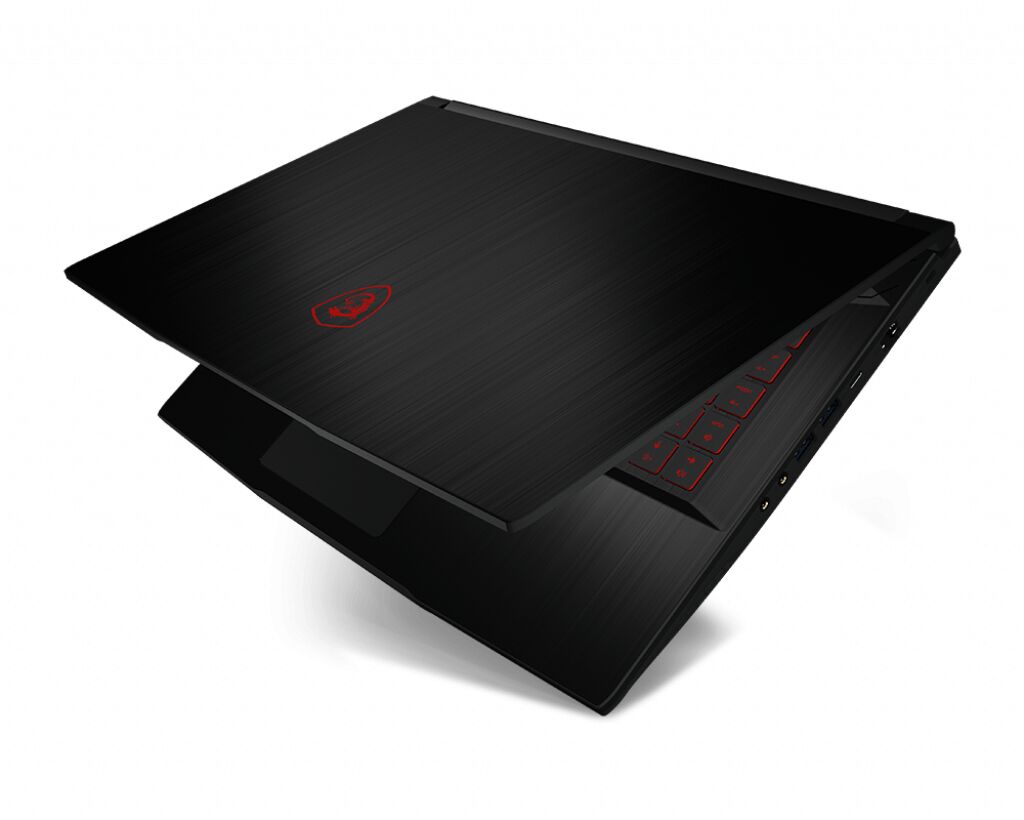

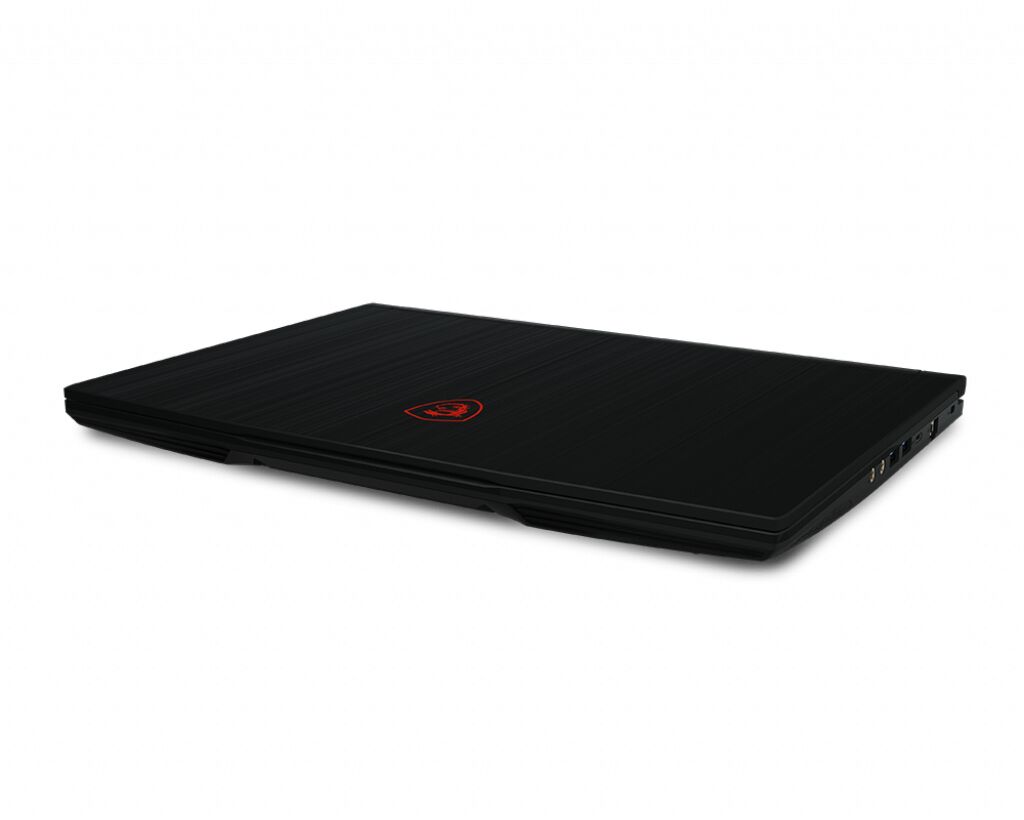
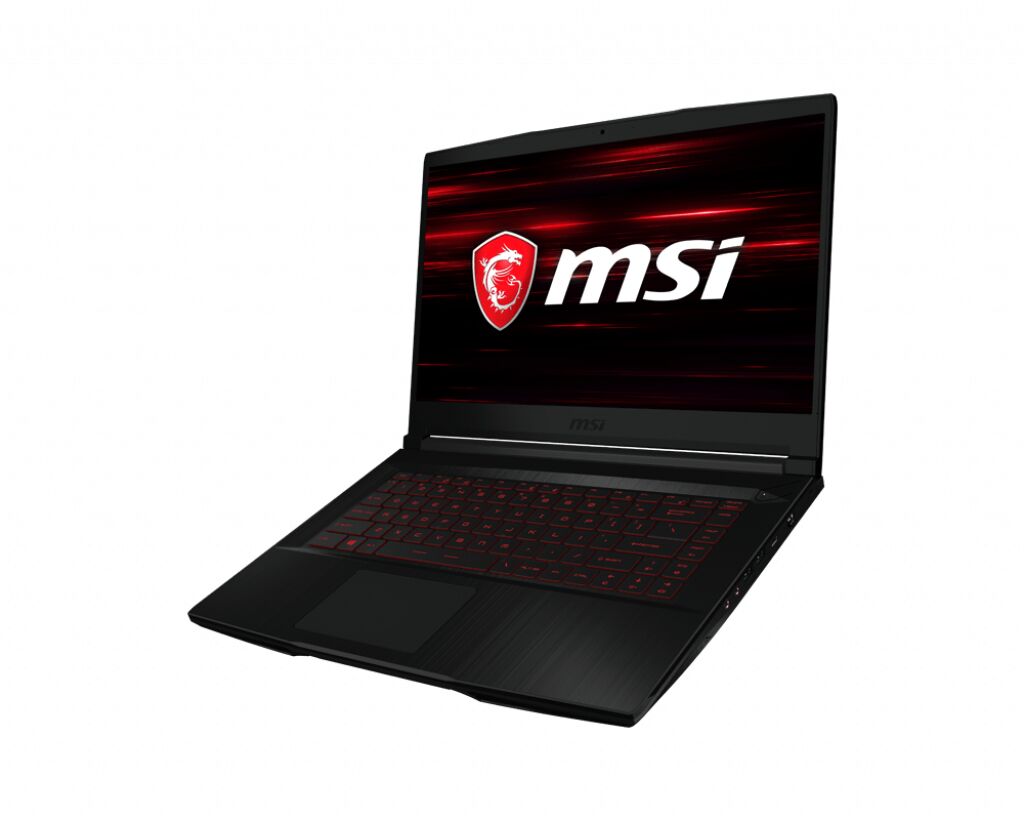
The MSI GF63 9SC-068 Thin gaming laptop features DDR4-SDRAM memory upgrade capabilities. The system contains 2x SO-DIMM slots supporting maximum RAM capacity of 64 GB. Compatible memory modules operate at 2666 MHz frequency. Upgrade specifications indicate SO-DIMM form factor compatibility for both memory slots, enabling users to expand total system memory to the maximum supported capacity of 64 GB through DDR4 technology.
Memory Upgrade Specifications
| Specification | Value |
|---|---|
| Memory slots | 2x SO-DIMM |
| Form factor | SO-DIMM |
| Memory type | DDR4-SDRAM |
| Frequency | 2666 MHz |
| Maximum RAM | 64 GB |
| Voltage | 1.2V |
| Number of pins | 260-pin |
| Interface | PC4 |
| PC Speed Rating | PC4-2666 (PC4-21328) |
| Bandwidth | 21.3 GB/s |
| Laptop Release date | 05 August 2019 |
Additional Notes
- The 2666 MHz frequency represents the baseline supported speed, though installing faster DDR4 modules will result in automatic downclocking to this maximum threshold.
- The MSI GF63 9SC-068 Thin utilizes a dual-channel memory architecture that requires matched pairs for optimal bandwidth utilization, as asymmetric configurations will force single-channel operation.
- SO-DIMM modules exceeding 1.2V standard voltage specifications may trigger thermal throttling in the confined chassis design typical of thin-profile gaming systems.
- The 64 GB ceiling requires 32 GB modules per slot, which limits density upgrade paths compared to desktop platforms supporting higher-capacity DIMMs.
- Module height restrictions apply due to the thin form factor, potentially excluding certain aftermarket RAM with oversized heat spreaders or non-standard PCB profiles.
- Memory upgrades can proceed without warranty violation on most MSI systems, though verification of region-specific warranty terms remains necessary before disassembly.
- The 2-slot configuration forces a complete replacement of both modules when upgrading from lower capacities, as no expansion slots remain available for supplementary additions.
- Non-ECC unbuffered modules are required, as the consumer-grade chipset architecture lacks support for error-correcting or registered memory types.
- CAS latency variations between installed modules can create stability issues, making timings-matched pairs the recommended approach despite JEDEC specification compatibility.
- Mixing module capacities across the 2 slots will function but halves the effective memory bandwidth by disabling dual-channel interleaving for the unpaired capacity.