MSI Gaming GF63 9SC-1008IT Thin RAM upgrade specifications
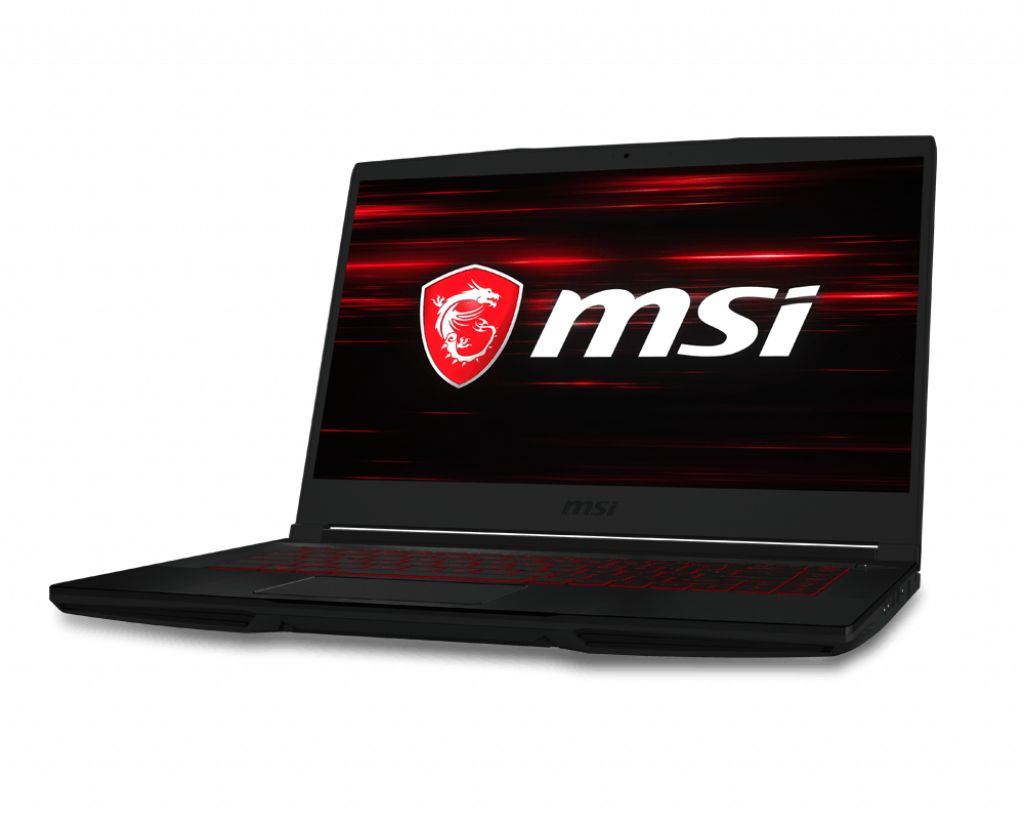
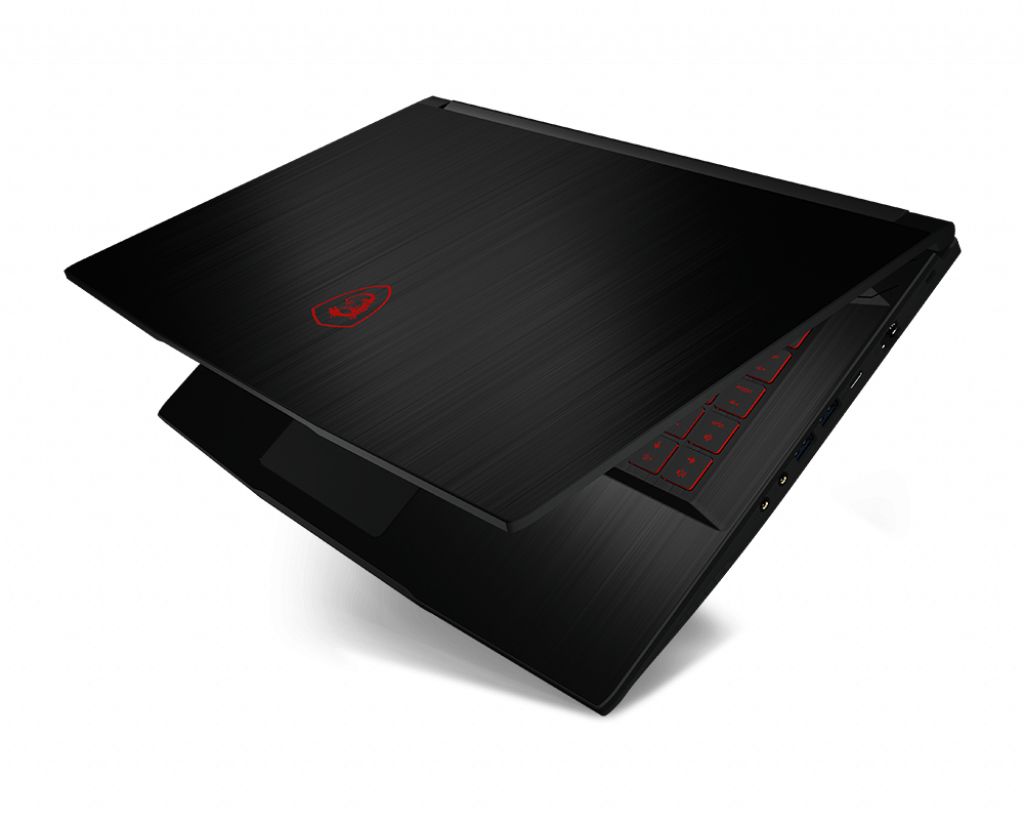
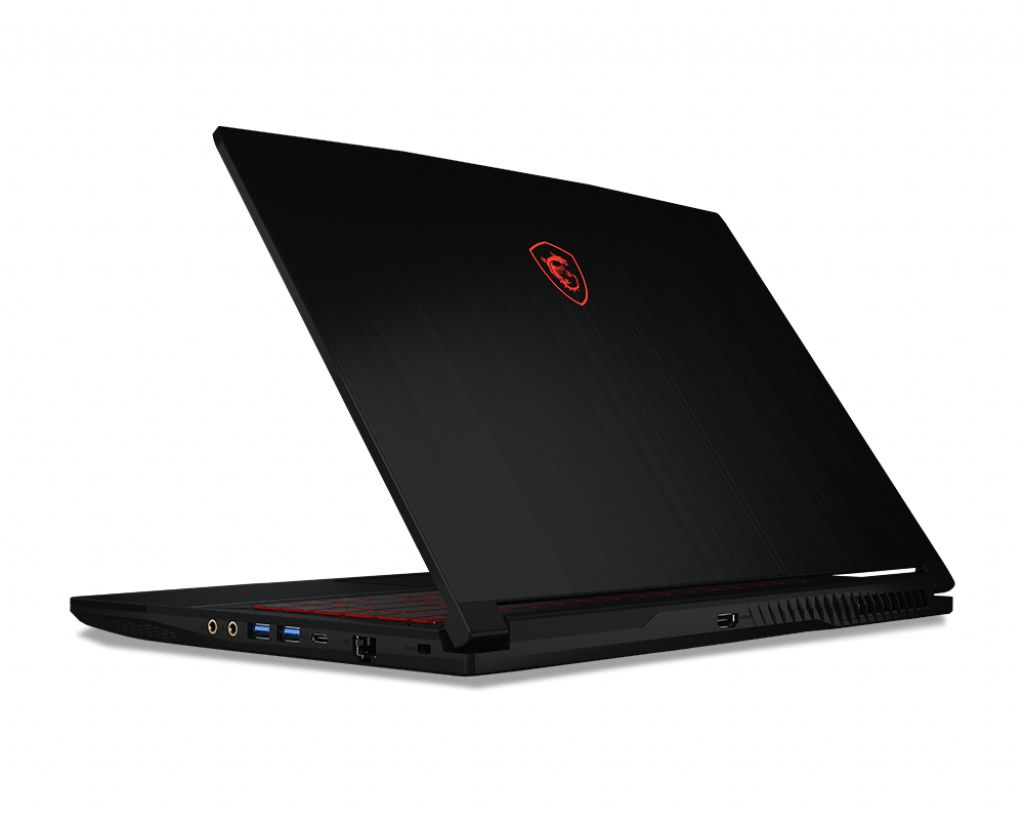
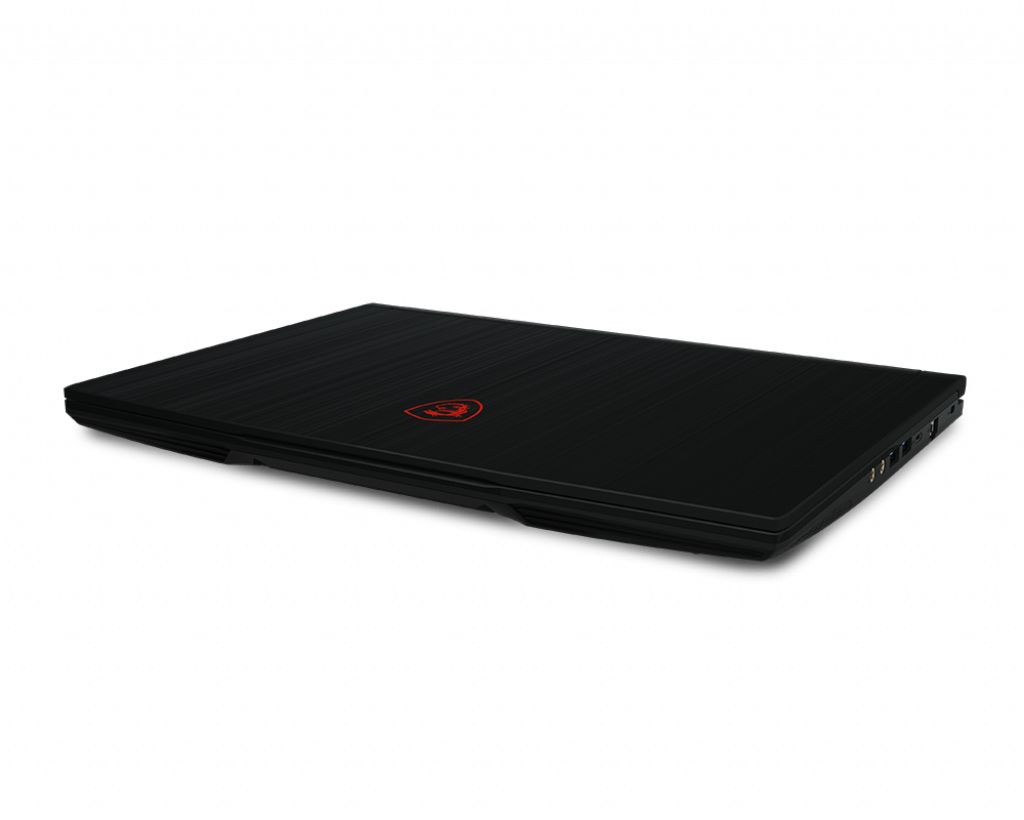
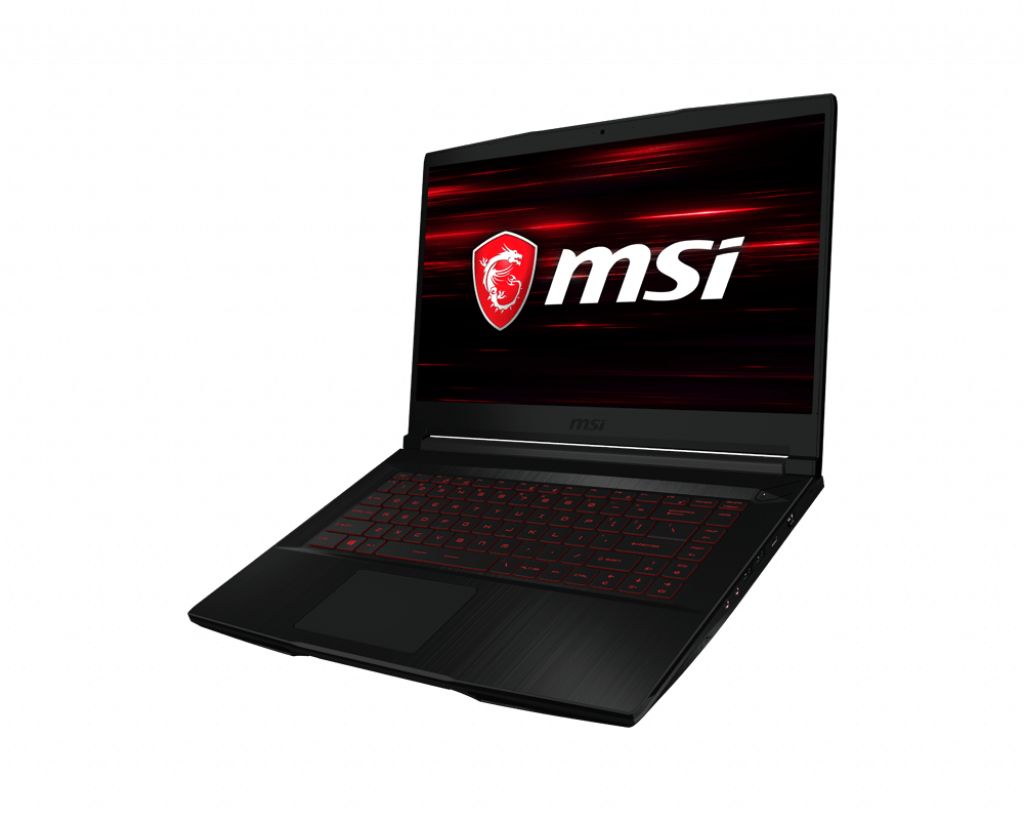
MSI GF63 9SC-1008IT Thin gaming laptop memory upgrade specifications include DDR4-SDRAM support with 2x SO-DIMM slots for maximum capacity of 64 GB RAM. Compatible memory modules operate at 2666 MHz frequency with SO-DIMM form factor. Upgrade specifications enable users to expand the GF series laptop's memory configuration from stock capacity to supported maximum specifications.
Memory Upgrade Specifications
| Specification | Value |
|---|---|
| Memory slots | 2x SO-DIMM |
| Form factor | SO-DIMM |
| Memory type | DDR4-SDRAM |
| Frequency | 2666 MHz |
| Maximum RAM | 64 GB |
| Voltage | 1.2V |
| Number of pins | 260-pin |
| Interface | PC4 |
| PC Speed Rating | PC4-2666 (PC4-21328) |
| Bandwidth | 21.3 GB/s |
| Laptop Release date | 08 January 2020 |
Additional Notes
- The MSI GF63 9SC-1008IT Thin supports DDR4-SDRAM at 2666 MHz, which represents a bandwidth ceiling. Aftermarket modules rated for higher frequencies (3000 MHz, 3200 MHz) will automatically downclock to 2666 MHz due to JEDEC constraints on this platform, eliminating performance gains from premium memory specifications.
- SO-DIMM form factor limits upgrade capacity to 2 slots only. Each slot accommodates a maximum 32 GB module, imposing a strict 64 GB ceiling. Configurations exceeding this threshold are impossible regardless of module availability in the market.
- Mixed-capacity configurations (for example, 16 GB + 32 GB) function within dual-channel architecture, but single-slot populations operate in single-channel mode. This configuration reduces memory bandwidth by approximately 50 percent compared to symmetric dual-channel setups and negatively impacts gaming performance on CPU-bound titles.
- 9th-generation Intel processors paired with this memory configuration exhibit memory latency sensitivity. Tighter latency timings (CAS 16 versus CAS 18) yield measurable frame-rate improvements in CPU-limited scenarios, though frequency remains the dominant performance factor at 2666 MHz.
- SO-DIMM modules generate higher thermal density than UDIMM equivalents due to compact spacing. Extended gaming sessions at maximum capacity may increase junction temperatures on memory ICs, requiring adequate internal airflow validation during stress testing post-upgrade.
- Warranty coverage typically remains valid for manufacturer-approved DDR4-SDRAM modules matching the listed specifications. Third-party modules, even within compatibility parameters, may trigger support exclusions if hardware failure occurs, necessitating documentation of module part numbers and purchase receipts.