MSI Gaming GF63 9SC-204BE Thin RAM upgrade specifications

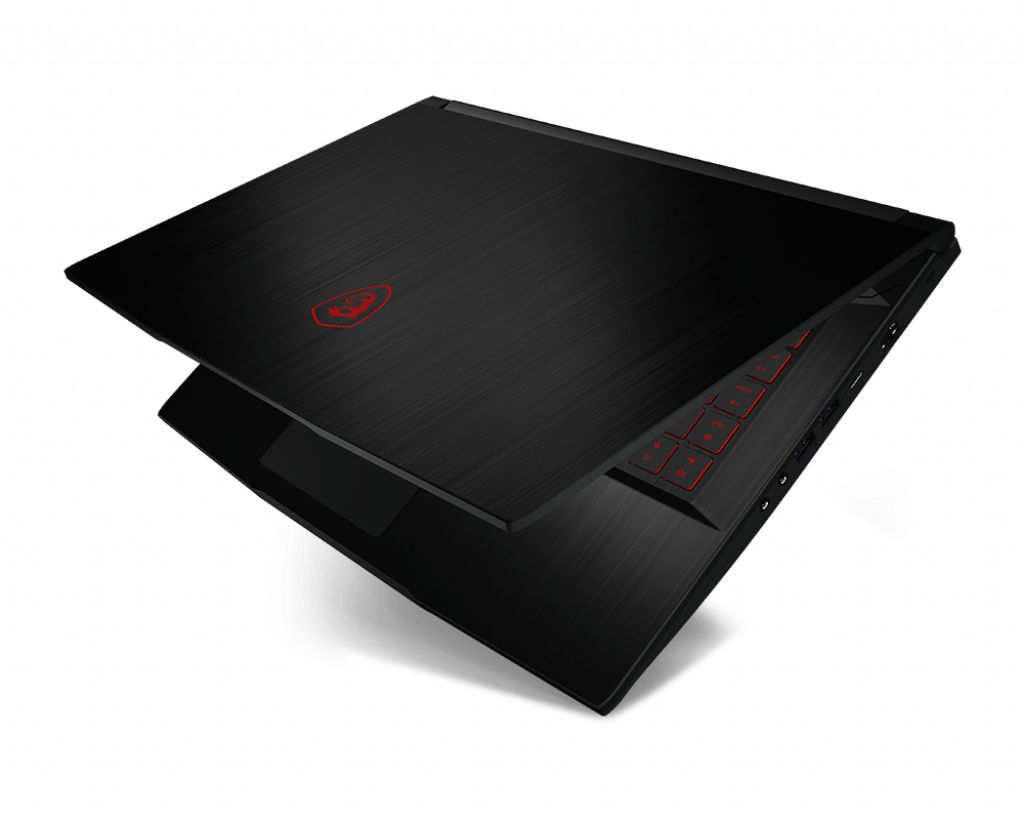

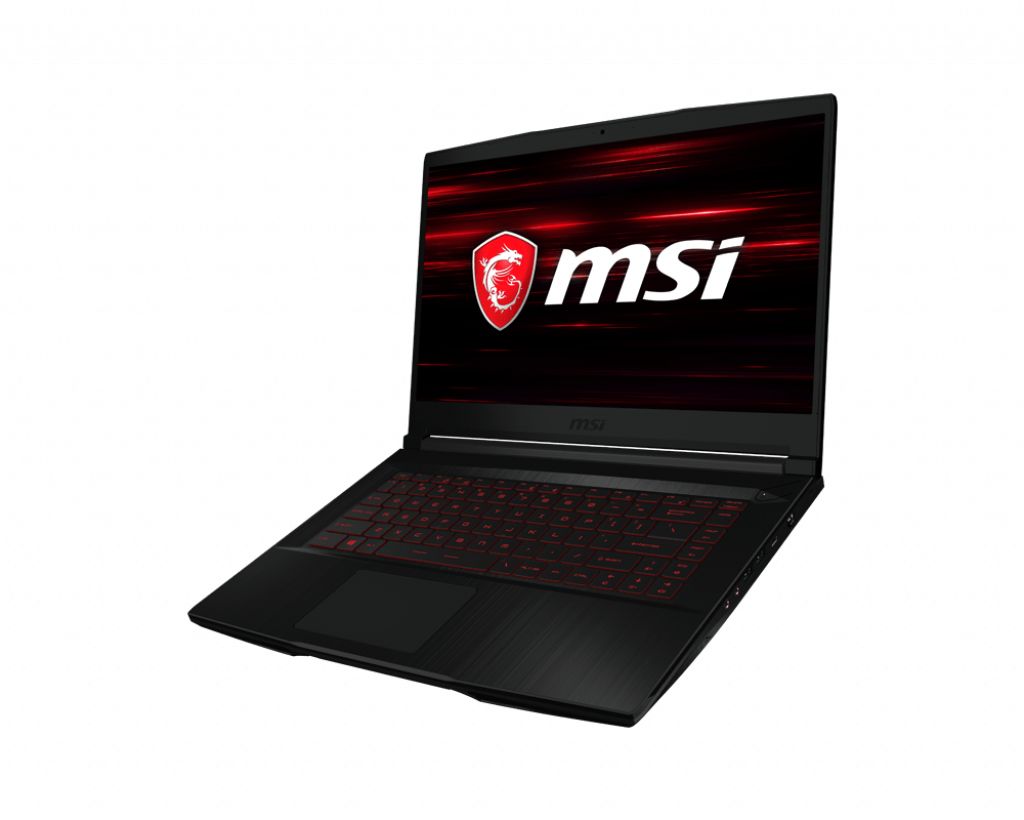
The MSI GF63 9SC-204BE Thin Gaming series laptop features DDR4-SDRAM memory upgrade specifications with dual SO-DIMM slots supporting maximum capacity of 64 GB total RAM. Compatible memory modules operate at 2666 MHz frequency. Upgrade options allow installation of higher-capacity DDR4 modules in available slots to enhance system performance. Current specifications accommodate DDR4 memory technology in compact SO-DIMM form factor, providing flexibility for RAM expansion within maximum supported capacity limits.
Memory Upgrade Specifications
| Specification | Value |
|---|---|
| Memory slots | 2x SO-DIMM |
| Form factor | SO-DIMM |
| Memory type | DDR4-SDRAM |
| Frequency | 2666 MHz |
| Maximum RAM | 64 GB |
| Voltage | 1.2V |
| Number of pins | 260-pin |
| Interface | PC4 |
| PC Speed Rating | PC4-2666 (PC4-21328) |
| Bandwidth | 21.3 GB/s |
| Laptop Release date | 04 June 2019 |
Additional Notes
- The dual-channel architecture requires matching module pairs to achieve full memory bandwidth and reduce latency during heavy gaming workloads on the MSI GF63 9SC-204BE Thin.
- Installing high-density 32 GB modules in both slots populates the motherboard to its electrical limit which can increase thermal output within the compact chassis.
- Using memory modules with lower latency timings than the factory defaults provides a slight reduction in CPU instruction delays without exceeding the native clock speed.
- The absence of soldered memory on the mainboard ensures that the total system capacity remains fully serviceable through the two available physical interfaces.
- Compatibility with 2666 MHz modules indicates that faster memory kits will automatically downclock to synchronize with the integrated memory controller of the processor.
- Internal access for memory replacement necessitates the removal of the bottom base cover which typically involves navigating plastic clips and internal cable routing.
- Symmetric memory configurations prevent single-channel bottlenecks that otherwise limit the performance of integrated graphics components during low-power tasks.