MSI Gaming GF63 9SC-472FR Thin RAM upgrade specifications
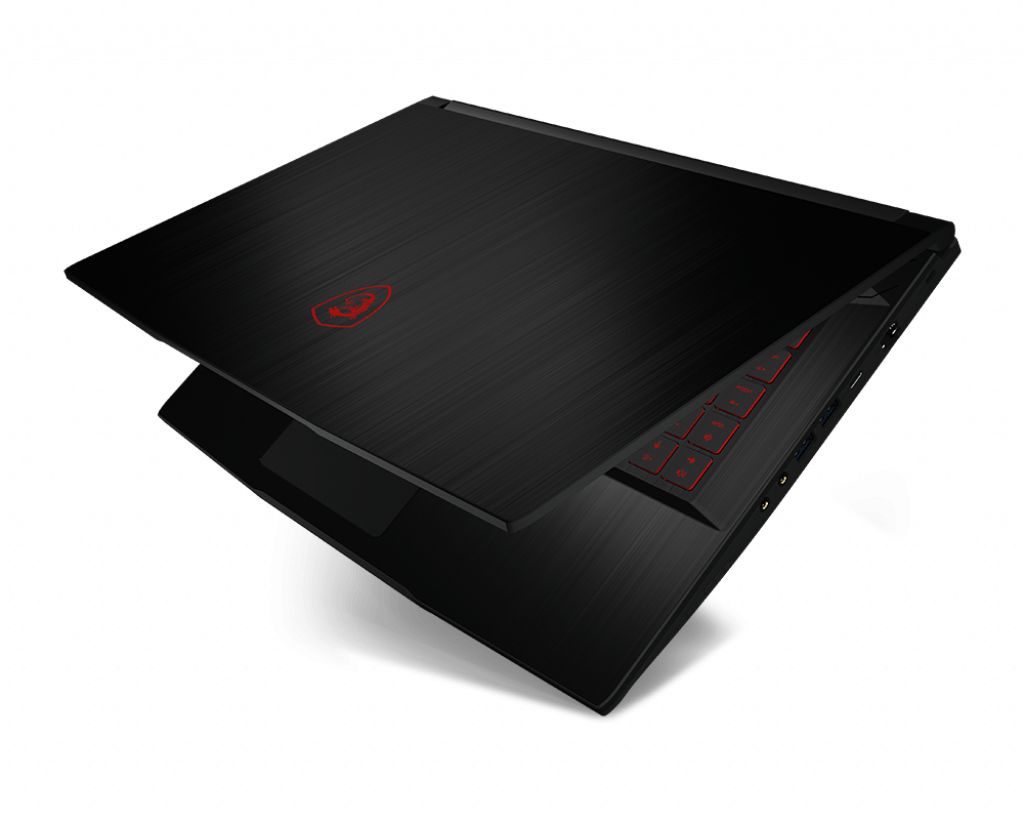
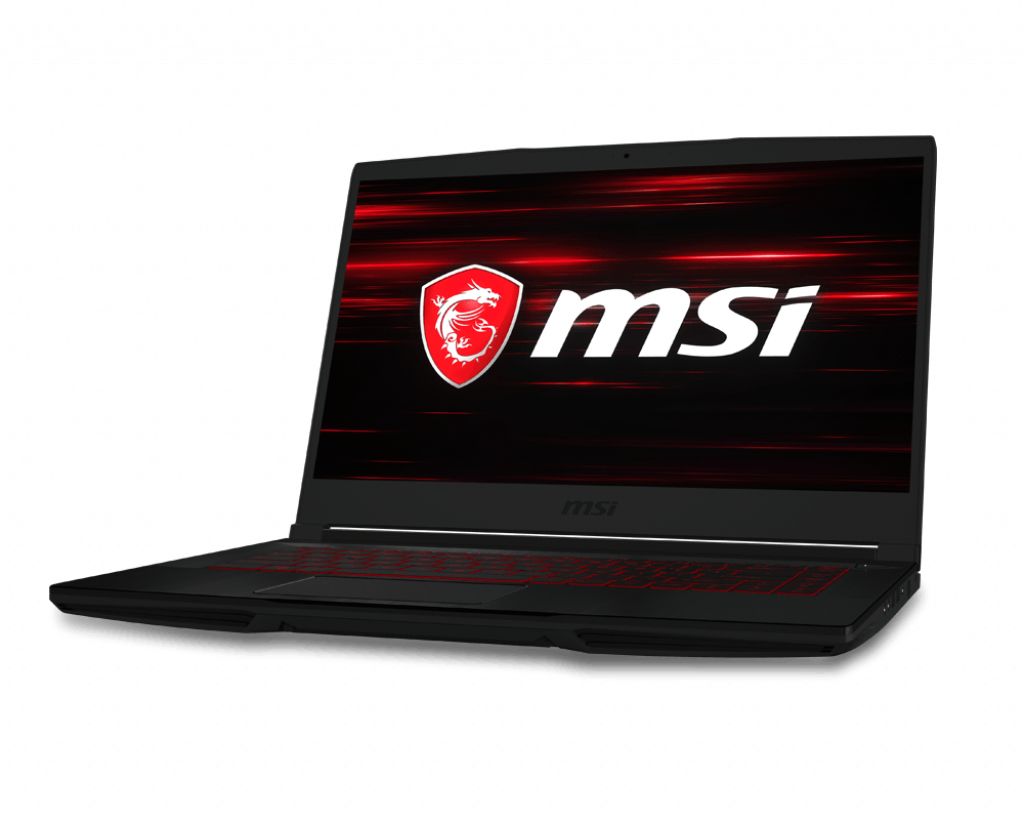
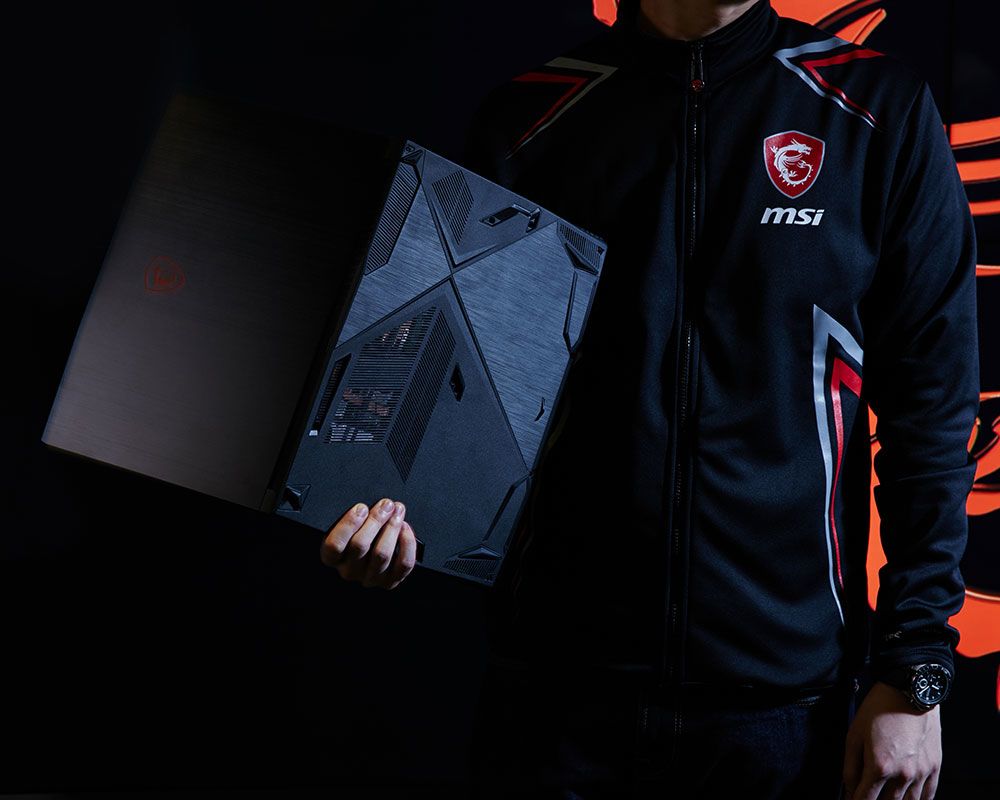
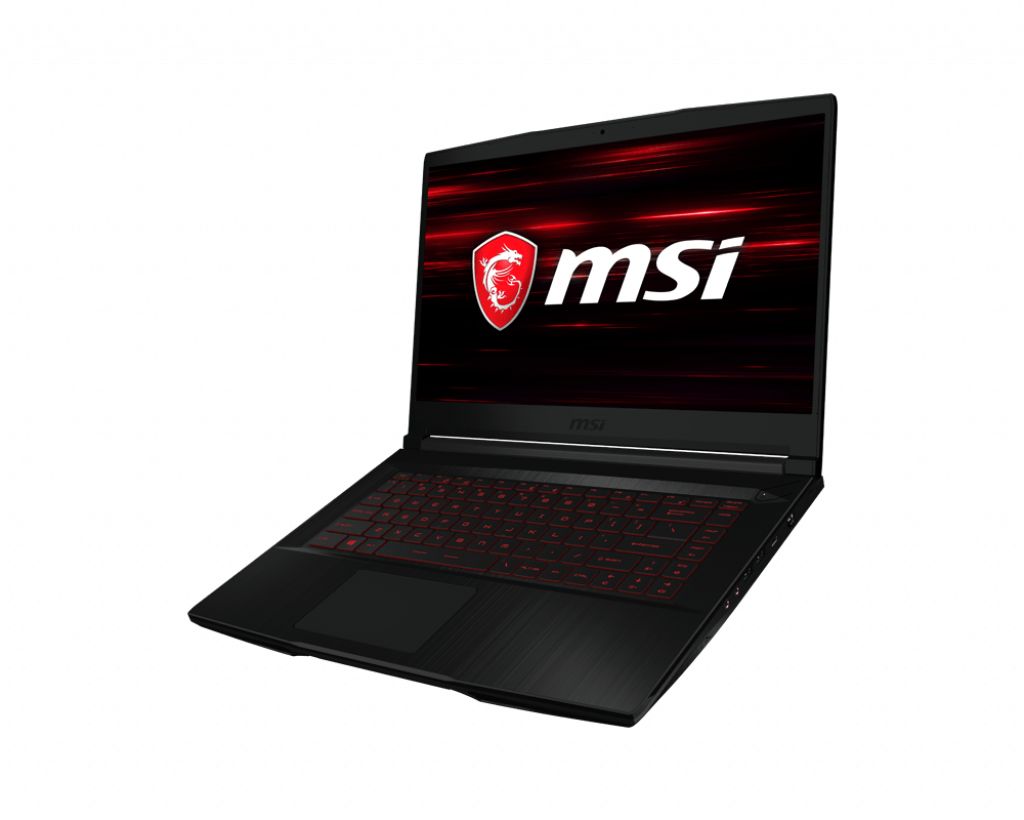
The MSI GF63 9SC-472FR Thin gaming laptop features DDR4-SDRAM memory with two SO-DIMM slots supporting maximum RAM capacity of 64 GB. The laptop specifications indicate compatible memory operates at 2666 MHz frequency. RAM upgrade options available for the GF Gaming series GF63 model accommodate DDR4 SO-DIMM modules, allowing expansion from factory-installed configurations up to the maximum 64 GB capacity across both memory slots.
Memory Upgrade Specifications
| Specification | Value |
|---|---|
| Memory slots | 2x SO-DIMM |
| Form factor | SO-DIMM |
| Memory type | DDR4-SDRAM |
| Frequency | 2666 MHz |
| Maximum RAM | 64 GB |
| Voltage | 1.2V |
| Number of pins | 260-pin |
| Interface | PC4 |
| PC Speed Rating | PC4-2666 (PC4-21328) |
| Bandwidth | 21.3 GB/s |
| Laptop Release date | 25 July 2019 |
Additional Notes
- The MSI GF63 9SC-472FR Thin uses 2x SO-DIMM slots, constraining physical upgrade pathways to a maximum of 2 modules regardless of capacity per stick.
- Factory frequency of 2666 MHz indicates this system operates below current DDR4 standards (3200 MHz), creating potential bandwidth limitations when paired with 9th generation Intel processors that support higher speeds.
- The 64 GB ceiling means a single 32 GB SO-DIMM module per slot represents the practical upgrade limit, leaving no headroom for future expansion beyond this threshold.
- SO-DIMM modules require precise seating depth and lever-lock engagement; installation errors may trigger no-POST conditions before memory detection occurs.
- Warranty coverage for non-OEM memory installations depends on MSI's service policies; third-party modules may void coverage unless explicitly approved through compatibility verification channels.
- The 2666 MHz specification suggests the motherboard may not automatically recognize or enable XMP profiles on faster DDR4 modules, requiring manual BIOS configuration to avoid clock-down to factory speeds.
- Thermal management around SO-DIMM slots in a thin gaming chassis may constrain module selection; tall heatspreaders could interfere with lid closure or contact internal components.