MSI Gaming GF63 9SC-419 Thin RAM upgrade specifications



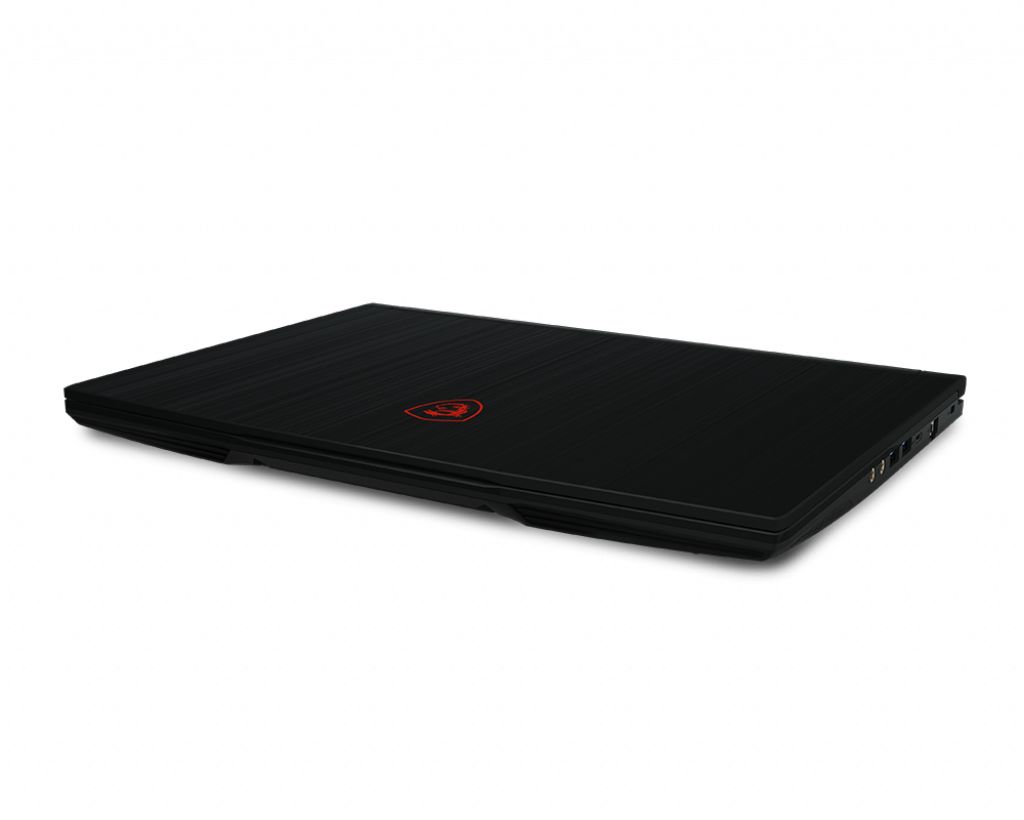

MSI GF63 9SC-419 Thin gaming laptop supports DDR4-SDRAM memory upgrade with 2x SO-DIMM slots. Maximum RAM capacity reaches 64 GB total. Compatible memory operates at 2666 MHz frequency. Specifications define upgrade potential for this Gaming GF series model. SO-DIMM form factor ensures proper physical fit and compatibility with upgrade slots available in MSI GF63 9SC-419 Thin configuration.
Memory Upgrade Specifications
| Specification | Value |
|---|---|
| Memory slots | 2x SO-DIMM |
| Form factor | SO-DIMM |
| Memory type | DDR4-SDRAM |
| Frequency | 2666 MHz |
| Maximum RAM | 64 GB |
| Voltage | 1.2V |
| Number of pins | 260-pin |
| Interface | PC4 |
| PC Speed Rating | PC4-2666 (PC4-21328) |
| Bandwidth | 21.3 GB/s |
| Laptop Release date | 10 May 2019 |
Additional Notes
- The MSI GF63 9SC-419 Thin contains 2 SO-DIMM slots operating at 2666 MHz, which is below contemporary DDR4 standards (3200 MHz). Replacement modules rated for higher frequencies will downclock to 2666 MHz, resulting in no performance gain from speed-rated upgrades.
- SO-DIMM form factor limits module selection to laptop-specific memory. Desktop DDR4 UDIMM modules are incompatible and cannot be physically installed, eliminating access to lower-cost consumer-grade memory options.
- The 64 GB maximum capacity (32 GB per slot) requires replacement of existing modules rather than supplemental installation. Removing the original DIMM pair is mandatory to achieve capacity expansion beyond current populated levels.
- DDR4-2666 specification indicates the system predates mainstream DDR4-3200 adoption. Memory compatibility extends to DDR4-2933 and DDR4-3200 SO-DIMMs, but thermal and stability implications from non-standard frequencies warrant conservative module selection matching the native 2666 MHz specification.
- Dual-channel architecture across 2 slots means both positions must contain modules for optimal memory bandwidth. Installing a single 32 GB DIMM forces single-channel operation, reducing effective bandwidth by approximately 50 percent and negating performance benefits from maximum capacity alone.