MSI Gaming GF63 9SC-264IT Thin RAM upgrade specifications

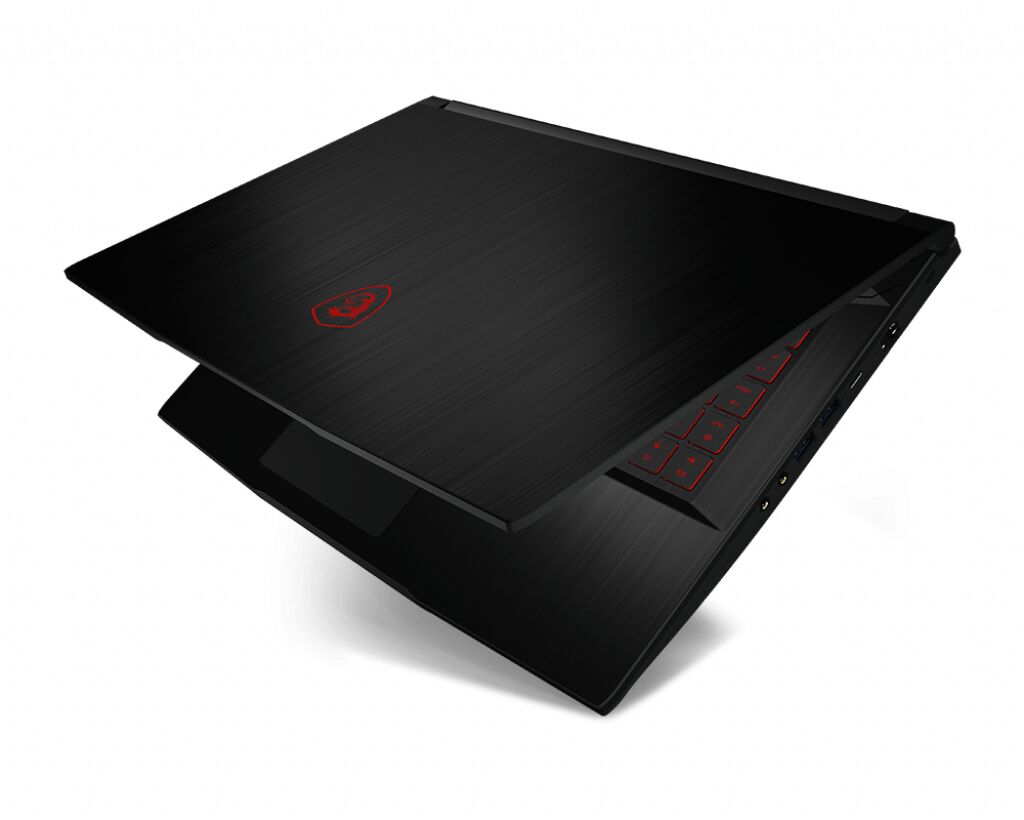

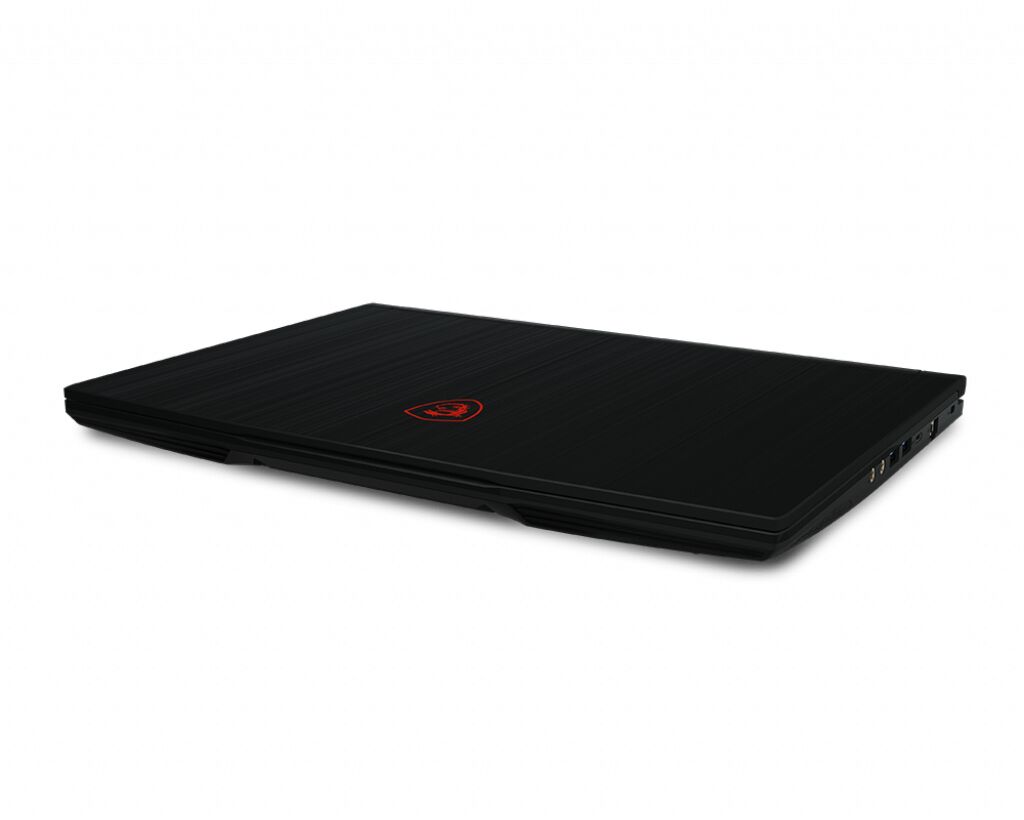
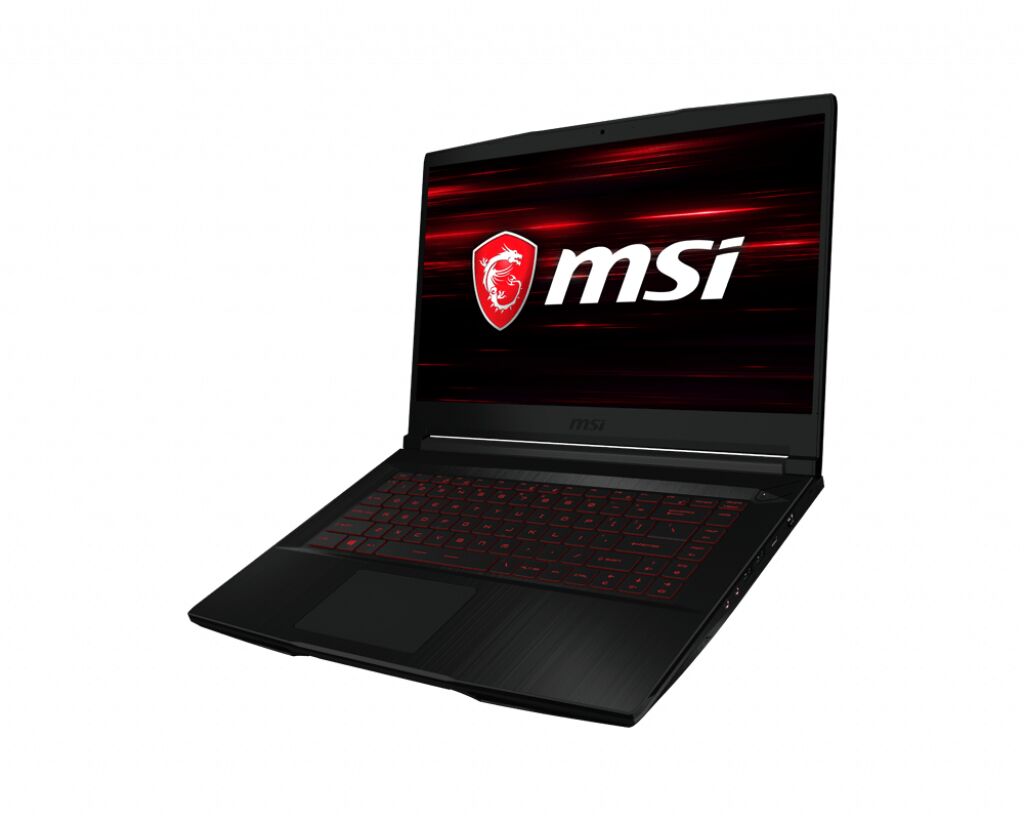
MSI GF63 9SC-264IT Thin gaming laptop supports DDR4-SDRAM memory upgrades through 2x SO-DIMM slots. Maximum supported capacity reaches 64 GB total RAM. Compatible memory operates at 2666 MHz frequency using SO-DIMM form factor specifications. Current upgrade slots allow installation of additional DDR4 modules to enhance system performance and multitasking capabilities on the GF series gaming model.
Memory Upgrade Specifications
| Specification | Value |
|---|---|
| Memory slots | 2x SO-DIMM |
| Form factor | SO-DIMM |
| Memory type | DDR4-SDRAM |
| Frequency | 2666 MHz |
| Maximum RAM | 64 GB |
| Voltage | 1.2V |
| Number of pins | 260-pin |
| Interface | PC4 |
| PC Speed Rating | PC4-2666 (PC4-21328) |
| Bandwidth | 21.3 GB/s |
| Laptop Release date | 30 July 2020 |
Additional Notes
- The 2666 MHz frequency represents the maximum officially supported speed, meaning faster modules will downclock to this baseline regardless of their rated capability.
- Both SO-DIMM slots must remain accessible without motherboard removal, as this gaming chassis prioritizes user-serviceable memory configurations.
- The 64 GB ceiling requires two 32 GB modules operating in dual-channel mode, which eliminates mixed-capacity configurations for users targeting maximum density.
- DDR4 voltage compatibility locks modules to 1.2V standard operation, preventing the use of low-power DDR4L variants that could otherwise reduce thermal output.
- Asymmetric memory populations will force single-channel operation, cutting theoretical bandwidth in half and creating measurable bottlenecks in GPU-intensive workloads.
- The MSI GF63 9SC-264IT Thin's SO-DIMM implementation restricts module height to 30mm maximum, which excludes certain high-profile kits featuring oversized heat spreaders.
- Ninth-generation Intel mobile platforms supporting this configuration lack native support for speeds exceeding 2666 MHz without manufacturer-enabled overclocking profiles.
- Warranty preservation requires non-invasive installation, as seal breakage on certain regions may void coverage despite memory upgrades being legally protected in most jurisdictions.
- Mixing modules from different manufacturing batches introduces potential timing incompatibilities, even when speed and capacity specifications appear identical on paper.
- The dual-slot limitation prevents future expansion beyond the initial upgrade, making capacity planning critical before purchase.