MSI Gaming GF63 9SC-258IT Thin RAM upgrade specifications

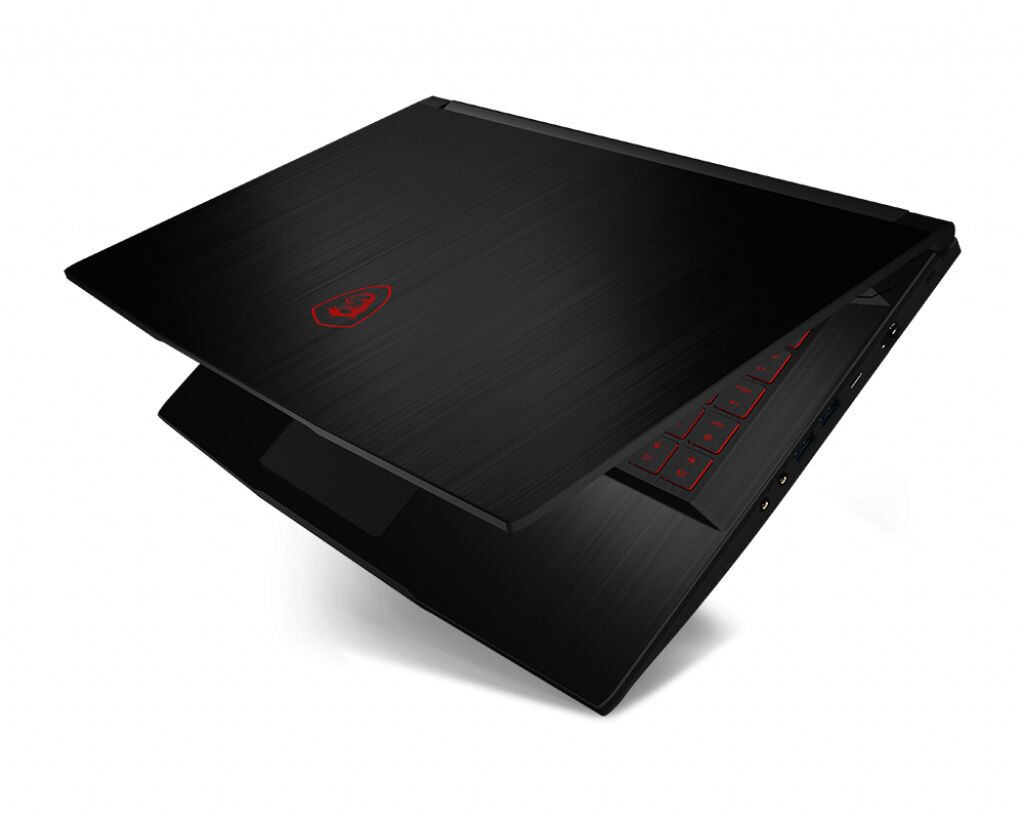


The MSI GF63 9SC-258IT Thin Gaming series laptop features DDR4-SDRAM memory upgrade specifications with 2x SO-DIMM slots supporting maximum capacity of 64 GB. Compatible RAM modules operate at 2666 MHz frequency using SO-DIMM form factor. Upgrade slots accommodate DDR4 memory modules for enhanced system performance. Specifications indicate dual memory slots available for RAM expansion on the GF63 9SC-258IT Thin model.
Memory Upgrade Specifications
| Specification | Value |
|---|---|
| Memory slots | 2x SO-DIMM |
| Form factor | SO-DIMM |
| Memory type | DDR4-SDRAM |
| Frequency | 2666 MHz |
| Maximum RAM | 64 GB |
| Voltage | 1.2V |
| Number of pins | 260-pin |
| Interface | PC4 |
| PC Speed Rating | PC4-2666 (PC4-21328) |
| Bandwidth | 21.3 GB/s |
| Laptop Release date | 30 July 2020 |
Additional Notes
- The MSI GF63 9SC-258IT Thin supports dual-channel memory architecture through its 2 SO-DIMM slots, enabling up to double the theoretical bandwidth compared to single-channel configurations when paired modules are installed.
- DDR4-2666 represents JEDEC standard specifications rather than overclocked profiles, eliminating BIOS configuration requirements for frequency stability.
- The 64 GB maximum capacity indicates chipset-level support for 32 GB density modules per slot, which may require BIOS updates released after the original manufacturing date to ensure stability.
- SO-DIMM form factor necessitates modules approximately 67.6 mm in length, physically incompatible with standard 133.35 mm desktop DIMM modules regardless of electrical specifications.
- Mixing memory modules with different speeds will force all installed modules to operate at the frequency of the slowest module, potentially underutilizing faster RAM.
- Memory upgrades typically preserve manufacturer warranties when performed without disassembling soldered components, though verification of specific regional warranty terms remains advisable.
- DDR4-2666 operates at 1.2 volts nominal specification, with higher voltage modules potentially causing thermal issues in compact chassis designs without adequate ventilation clearance.
- The absence of soldered memory indicates all capacity remains user-accessible for replacement or expansion without specialized desoldering equipment.
- Ninth-generation Intel mobile platforms paired with DDR4-2666 create balanced bandwidth allocation, as faster memory speeds would provide diminishing returns without corresponding CPU or GPU architectural support.