MSI Gaming GF63 Thin 9SC RAM upgrade specifications
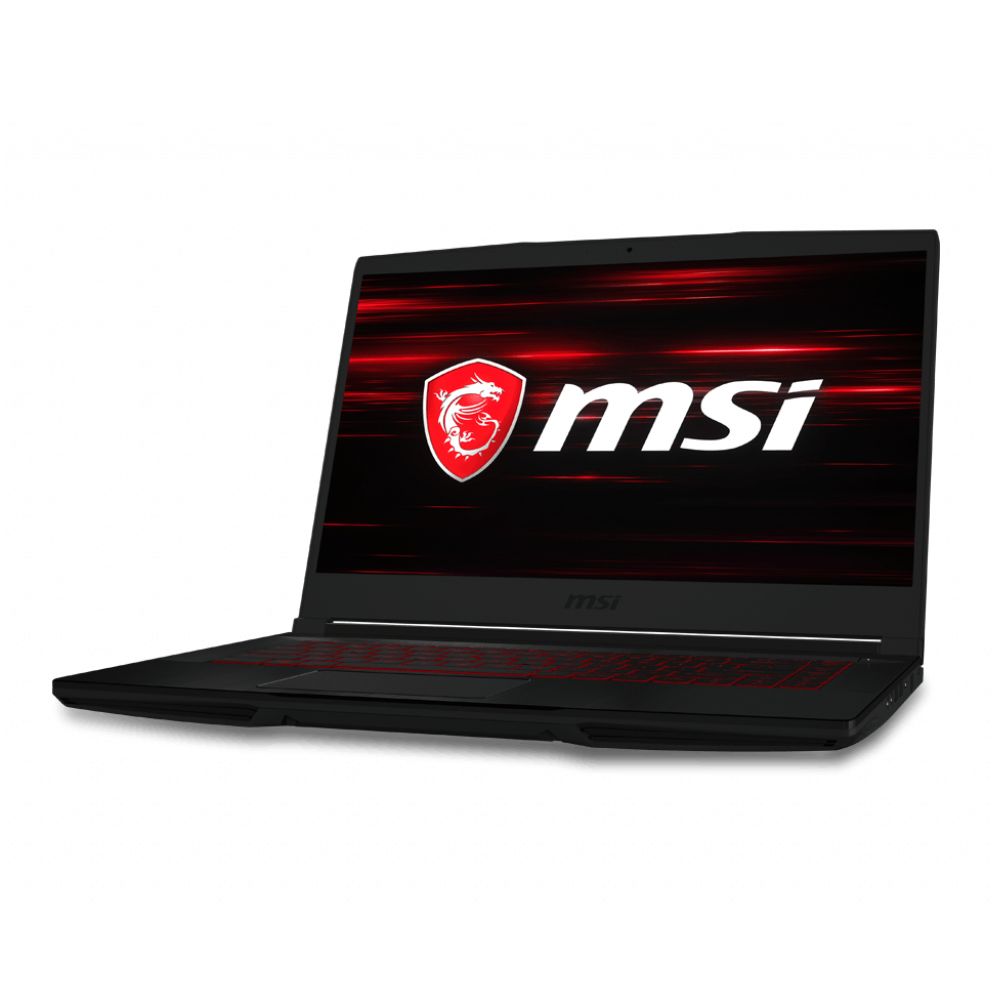
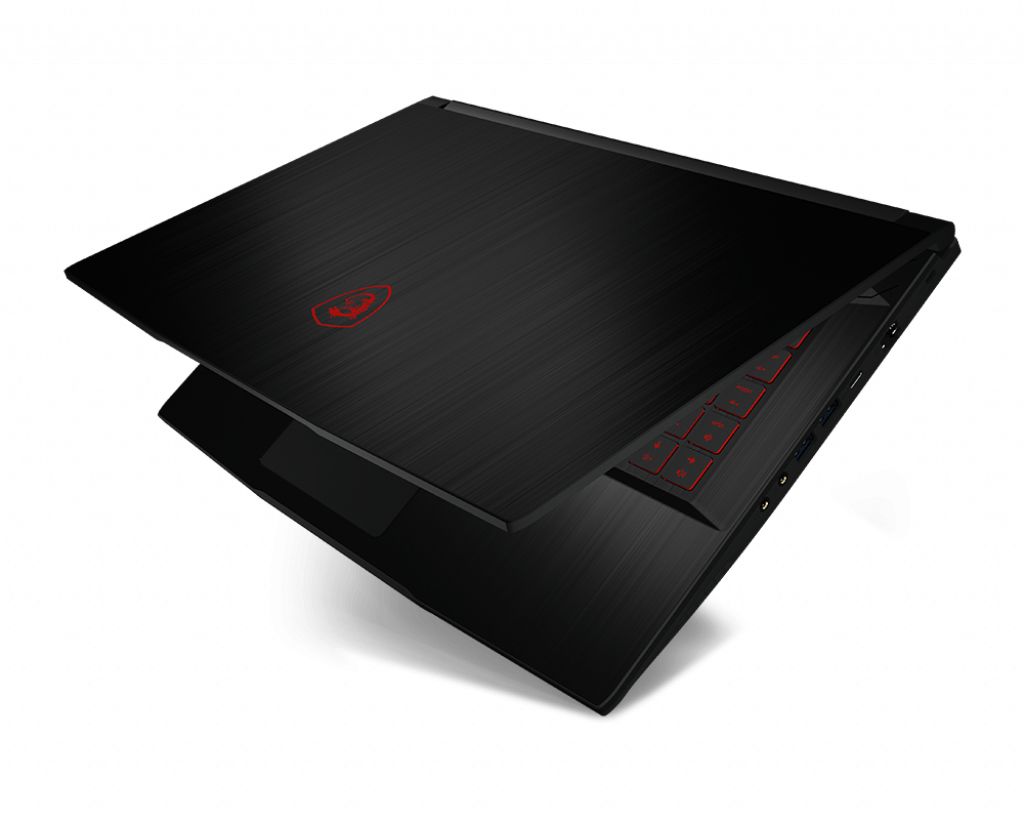

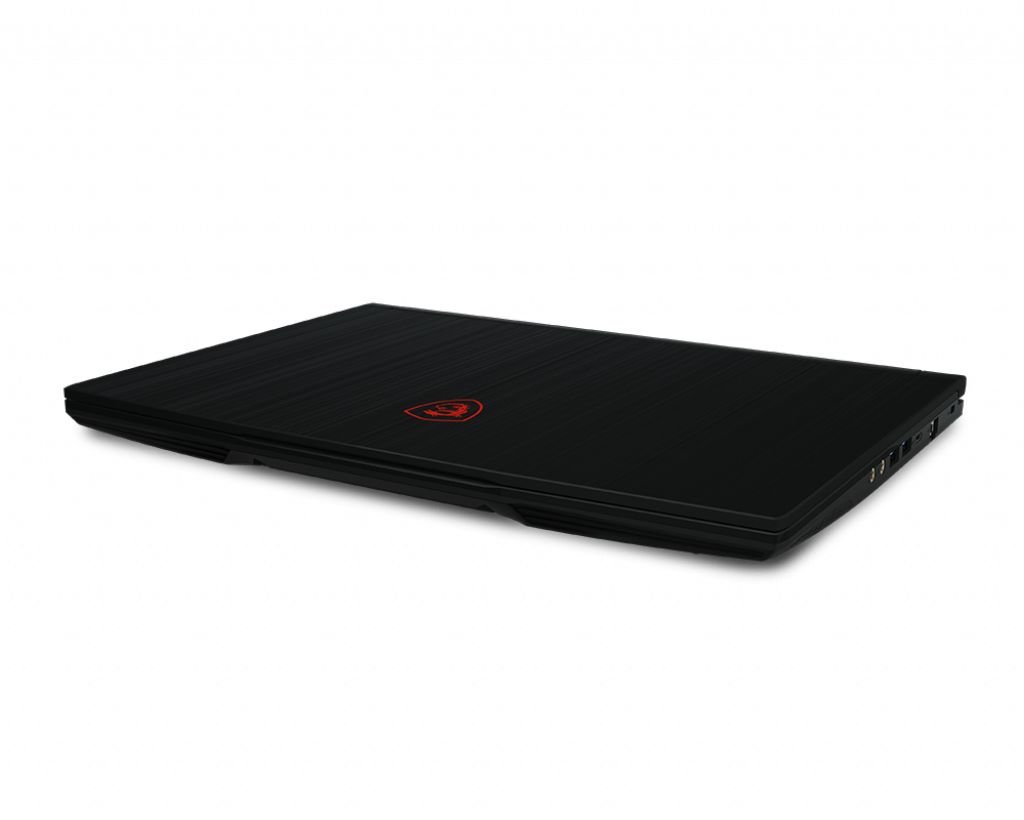
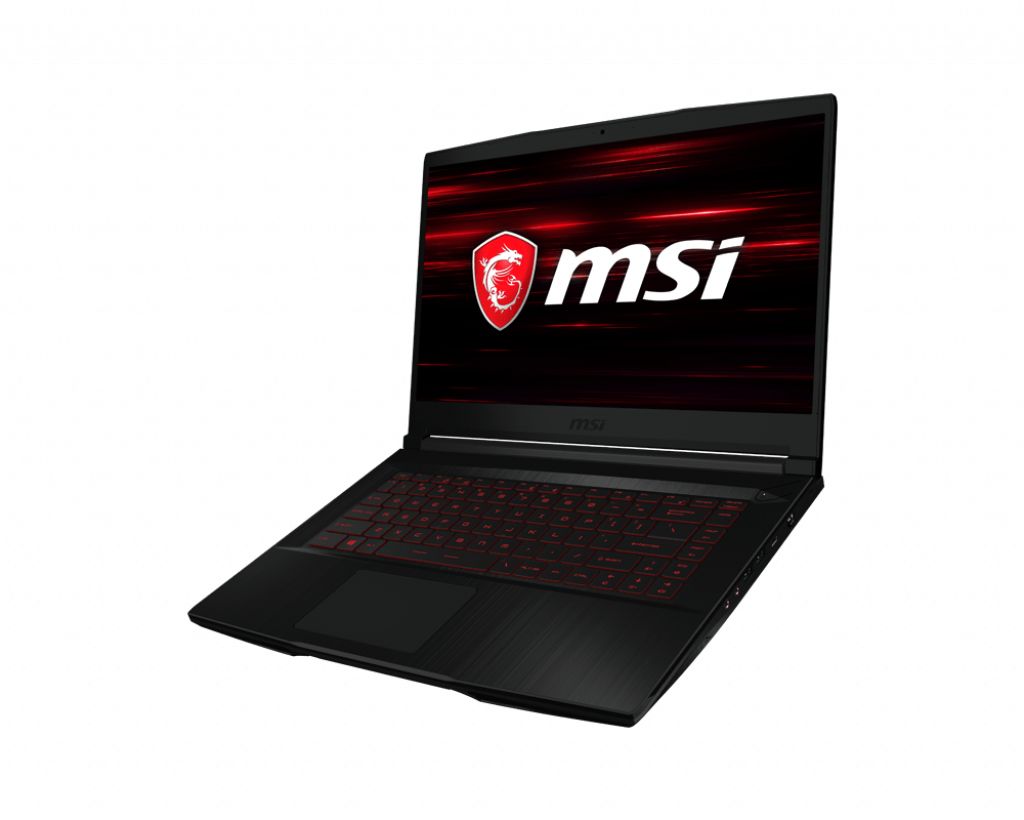
The MSI GF63 Thin 9SC gaming laptop features DDR4-SDRAM memory upgrade specifications with two SO-DIMM slots supporting maximum capacity of 64 GB RAM. Compatible memory operates at 2666 MHz frequency and utilizes the SO-DIMM form factor. Upgrade specifications for the GF series model enable users to enhance system performance by expanding memory capacity within the available slots and maximum supported configuration.
Memory Upgrade Specifications
| Specification | Value |
|---|---|
| Memory slots | 2x SO-DIMM |
| Form factor | SO-DIMM |
| Memory type | DDR4-SDRAM |
| Frequency | 2666 MHz |
| Maximum RAM | 64 GB |
| Voltage | 1.2V |
| Number of pins | 260-pin |
| Interface | PC4 |
| PC Speed Rating | PC4-2666 (PC4-21328) |
| Bandwidth | 21.3 GB/s |
| Laptop Release date | 13 May 2020 |
Additional Notes
- The MSI GF63 Thin 9SC relies on SO-DIMM modules rather than standard desktop DIMMs, restricting module sourcing to laptop-specific memory kits that typically carry higher per-gigabyte costs and narrower availability compared to desktop equivalents.
- Both memory slots operate in dual-channel mode when populated with matched modules, delivering approximately 85% higher memory bandwidth compared to single-module configurations, which directly impacts integrated graphics performance and frame pacing in GPU-constrained scenarios.
- The 2666 MHz frequency specification indicates compatibility with DDR4-2666 and all lower-speed variants, though modules rated above 2666 MHz will downclock to match chipset limitations, eliminating any performance advantage from premium-speed purchases.
- The 64 GB maximum capacity requires 2x32 GB SO-DIMM modules, which only became widely available after 2020 and remain subject to BIOS microcode support variations across different firmware revisions.
- Installing mismatched module capacities triggers asymmetric dual-channel operation, where only the overlapping capacity range benefits from doubled bandwidth while the remainder operates in single-channel mode, creating inconsistent memory performance profiles.
- The absence of error-correcting code memory support means the system cannot detect or correct bit-flip errors during operation, making non-ECC SO-DIMMs the only viable and cost-effective choice for this platform.
- Memory replacement requires bottom-panel disassembly to access the motherboard compartment, though this user-serviceable upgrade typically preserves manufacturer warranty coverage under most regional consumer protection frameworks.
- Single-rank versus dual-rank module architecture affects interleaving efficiency, with dual-rank configurations sometimes providing 3-7% performance gains in memory-intensive workloads despite identical capacity and frequency ratings.
- The SO-DIMM form factor imposes a 67.6 mm module length and 30 mm height constraint, preventing installation of any non-standard or modified memory modules that exceed these Joint Electron Device Engineering Council specifications.
- Voltage compatibility centers on the DDR4 standard 1.2V specification, as higher-voltage enthusiast modules designed for overclocking may trigger POST failures or thermal throttling within the confined laptop chassis thermal envelope.