MSI Gaming GF63 Thin 9RCX-612IT RAM upgrade specifications

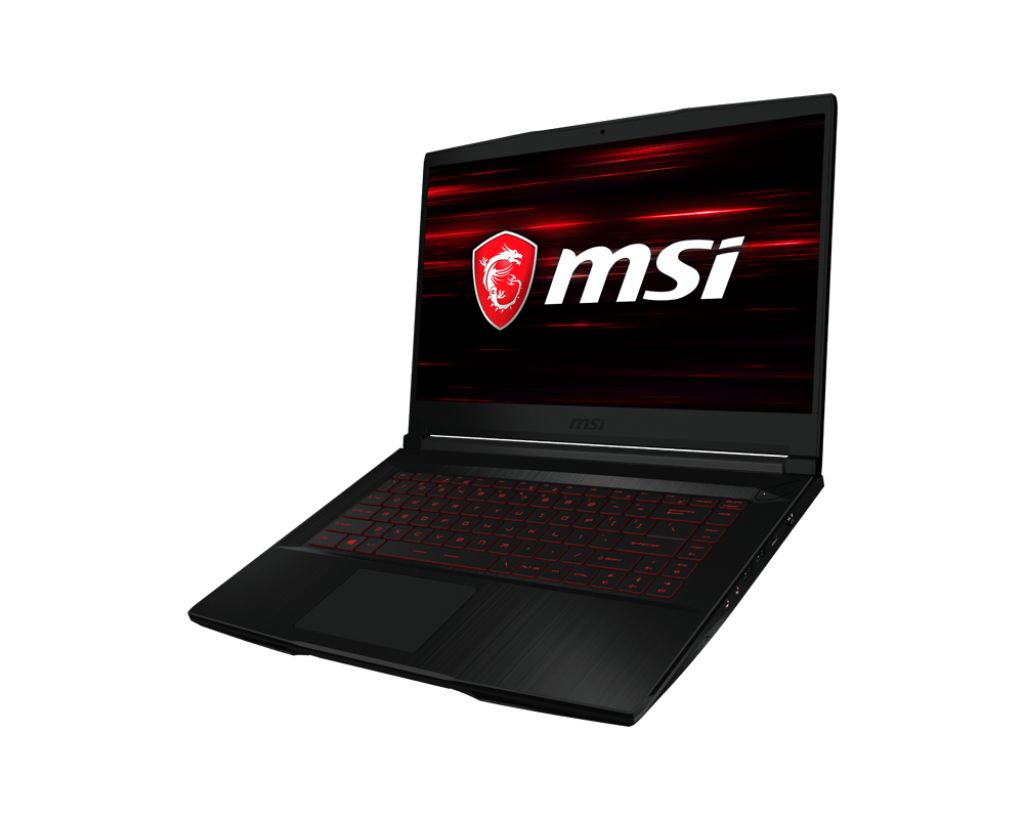
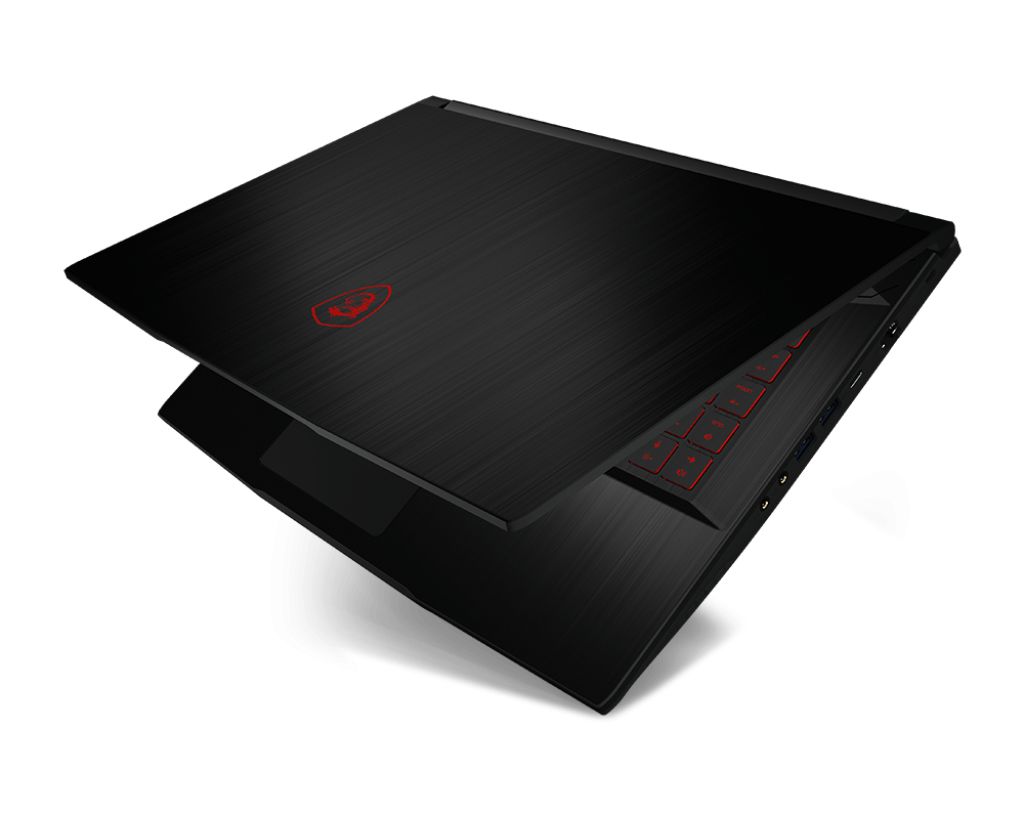

The MSI GF63 Thin 9RCX-612IT Gaming series laptop features DDR4-SDRAM memory specifications. The upgrade capacity supports 2x SO-DIMM slots with a maximum RAM configuration of 64 GB. Memory specifications are compatible with DDR4 modules operating at 2666 MHz frequency. The SO-DIMM form factor determines compatible memory upgrades for the GF63 Thin 9RCX-612IT model. Current slots can be expanded to reach the maximum supported capacity through standard DDR4-SDRAM upgrades.
Memory Upgrade Specifications
| Specification | Value |
|---|---|
| Memory slots | 2x SO-DIMM |
| Form factor | SO-DIMM |
| Memory type | DDR4-SDRAM |
| Frequency | 2666 MHz |
| Maximum RAM | 64 GB |
| Voltage | 1.2V |
| Number of pins | 260-pin |
| Interface | PC4 |
| PC Speed Rating | PC4-2666 (PC4-21328) |
| Bandwidth | 21.3 GB/s |
| Laptop Release date | 30 August 2019 |
Additional Notes
- The MSI GF63 Thin 9RCX-612IT utilizes SO-DIMM slots, which constrains upgrades to laptop-grade memory modules and eliminates compatibility with standard desktop DDR4 sticks.
- Memory bandwidth saturation occurs at 2666 MHz, meaning faster DDR4-3000 or DDR4-3200 modules will downclock to this frequency, providing no performance gain while adding cost without benefit.
- With 2 slots at 64 GB capacity ceiling, the maximum practical upgrade path involves 2x32 GB SO-DIMM modules; single-slot expansion leaves one slot vacant, forfeiting dual-channel performance gains on the second module.
- The 2666 MHz specification suggests 9th-generation Intel processor compatibility, which typically cannot leverage faster memory speeds; confirmed by model designation containing "9RCX" chipset marker.
- SO-DIMM modules require vertical insertion at a 45-degree angle into recessed slots beneath keyboard assembly or removable panel, necessitating partial disassembly and creating thermal routing constraints around dense laptop internals.
- Warranty retention depends on manufacturer policy; opening the chassis for RAM installation typically voids coverage unless MSI explicitly permits user-accessible memory upgrades in regional documentation.
- Latency specifications for DDR4-2666 modules at CAS 19 differ from CAS 16 alternatives; timing mismatches prevent hybrid slot configurations and force uniform DIMM selection for stability.
- The 64 GB ceiling reflects BIOS limitation rather than slot physical capacity; exceeding this threshold through non-certified modules results in boot failure or system instability without error indication.