MSI Gaming GF63 Thin 9RCX-1033MX RAM upgrade specifications
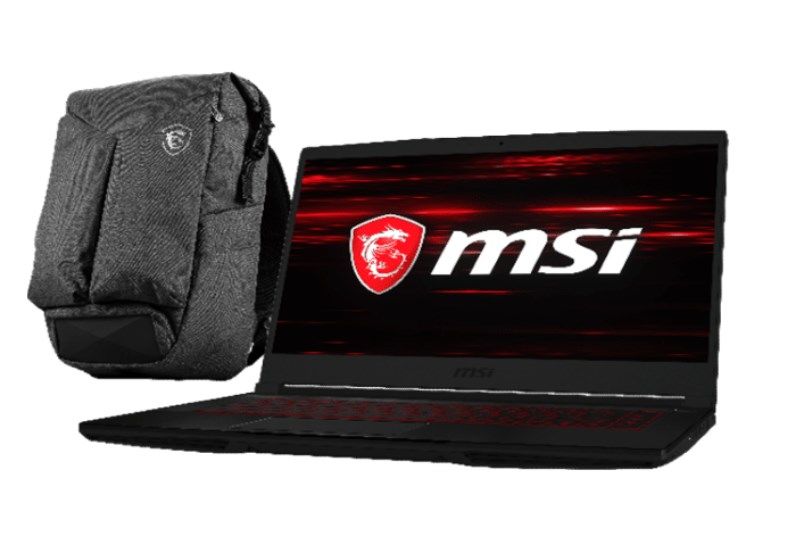
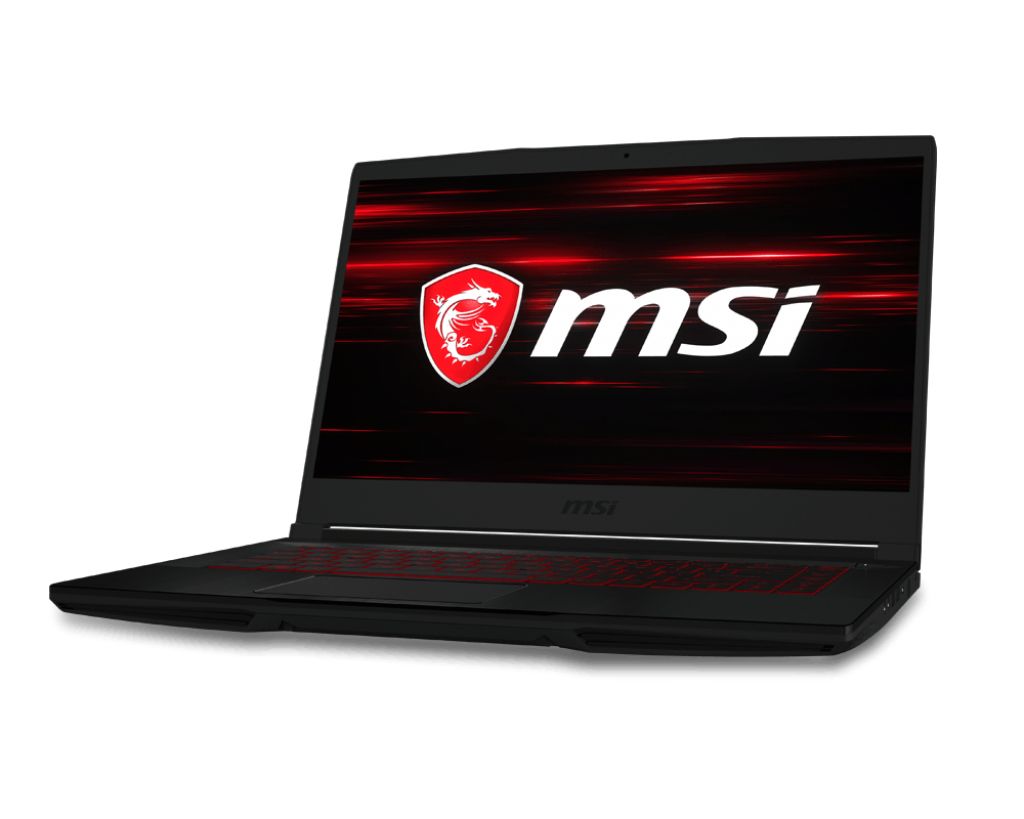
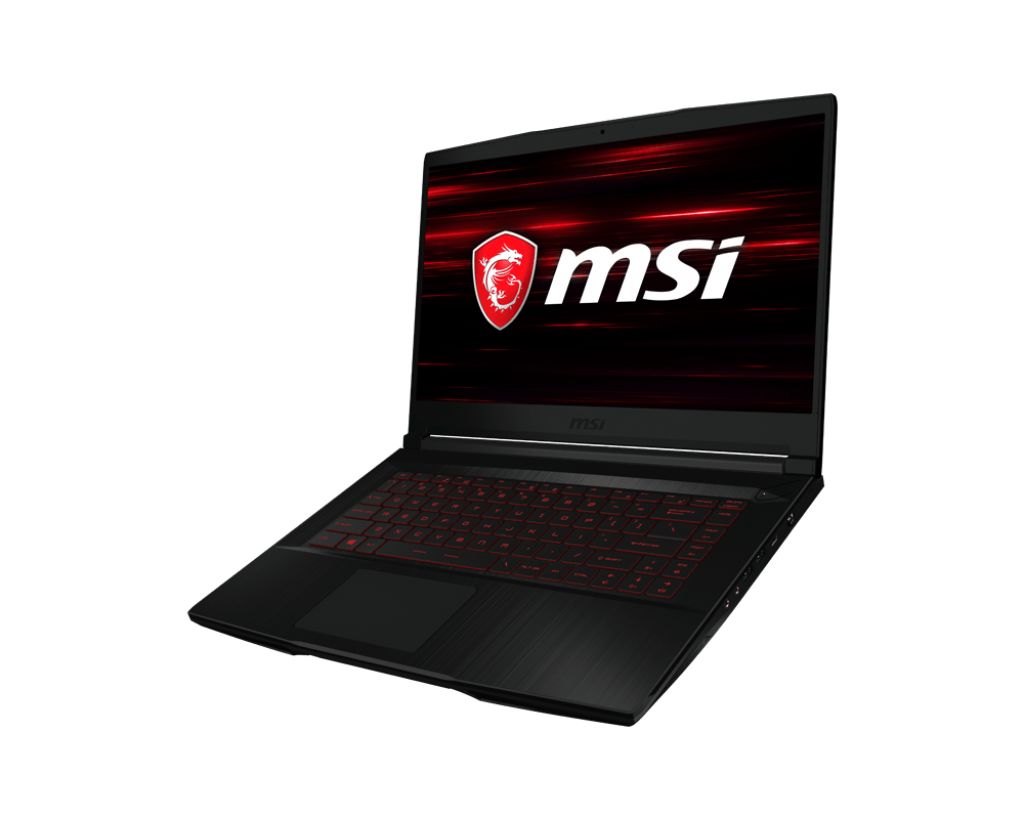
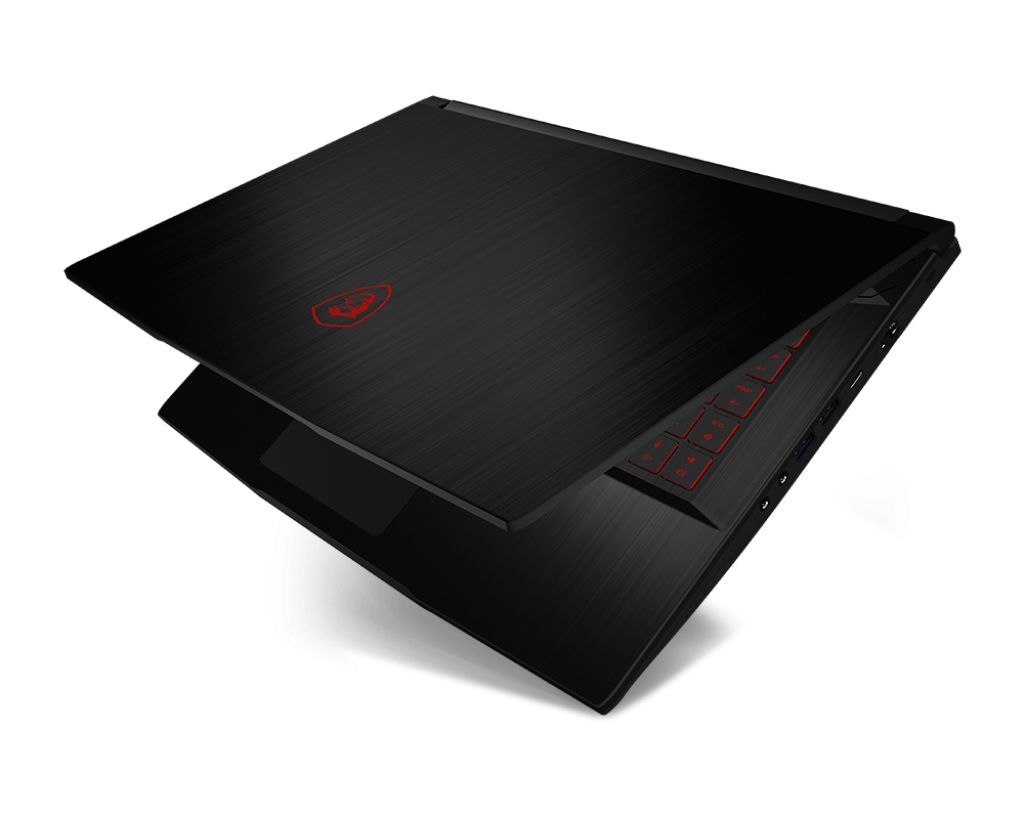

MSI GF63 Thin 9RCX-1033MX gaming laptop features DDR4-SDRAM memory upgrade specifications with two SO-DIMM slots supporting maximum capacity of 64 GB. Compatible memory operates at 2666 MHz frequency. Upgrade slots accommodate SO-DIMM form factor modules. Current specifications allow memory expansion to 64 GB total capacity across available slots. MSI GF series thin gaming model supports DDR4 memory upgrades for enhanced RAM performance and multitasking capabilities.
Memory Upgrade Specifications
| Specification | Value |
|---|---|
| Memory slots | 2x SO-DIMM |
| Form factor | SO-DIMM |
| Memory type | DDR4-SDRAM |
| Frequency | 2666 MHz |
| Maximum RAM | 64 GB |
| Voltage | 1.2V |
| Number of pins | 260-pin |
| Interface | PC4 |
| PC Speed Rating | PC4-2666 (PC4-21328) |
| Bandwidth | 21.3 GB/s |
| Laptop Release date | 09 December 2019 |
Additional Notes
- The MSI GF63 Thin 9RCX-1033MX accepts standard 260-pin SO-DIMM modules, which differ physically from desktop DIMM modules and cannot be interchanged.
- The 2666 MHz frequency specification indicates DDR4-2666 modules running at PC4-21300 bandwidth, delivering 21.3 GB/s theoretical maximum transfer rate per channel.
- Dual-channel configuration requires matched module pairs installed across both slots to achieve combined bandwidth of 42.6 GB/s, while mismatched capacities or single-module installation forces single-channel operation at half this throughput.
- The 64 GB maximum capacity supports configurations up to 2x32 GB modules, though compatibility with higher-density modules depends on the 9th generation Intel Core processor's memory controller limits.
- Higher frequency modules rated at 3200 MHz or above will function but automatically downclock to 2666 MHz, as the system's memory controller enforces the specified frequency ceiling.
- Accessing the memory slots typically requires bottom panel removal, and manufacturers often seal panels with warranty stickers that may void coverage if disturbed during user upgrades.
- Mixing DDR4 modules with different latencies forces all modules to operate at the slowest timing specification present, potentially degrading performance below the capabilities of faster modules.
- The SO-DIMM form factor measures 67.6 mm in length compared to desktop DIMM's 133.35 mm, making desktop memory physically incompatible regardless of electrical specifications.
- Systems utilizing integrated graphics allocate a portion of system RAM as video memory, reducing available capacity for applications and creating shared bandwidth contention between CPU and GPU operations.