MSI Gaming GF63 Thin 8RCS-041MX RAM upgrade specifications

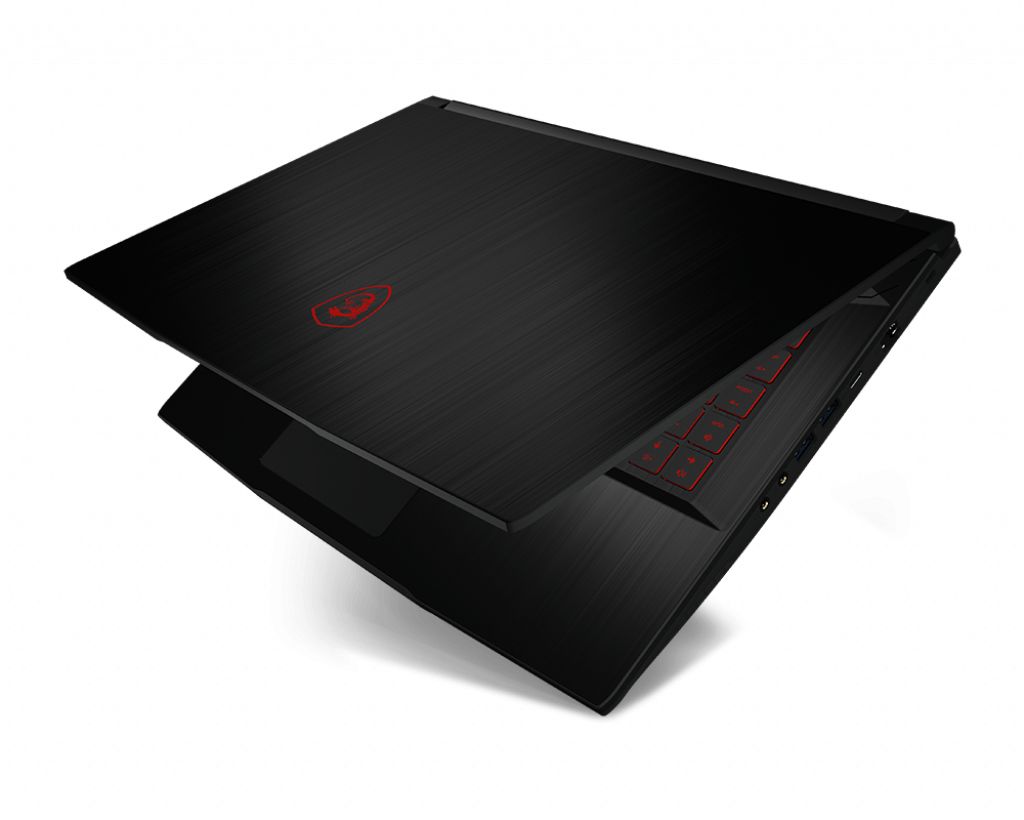

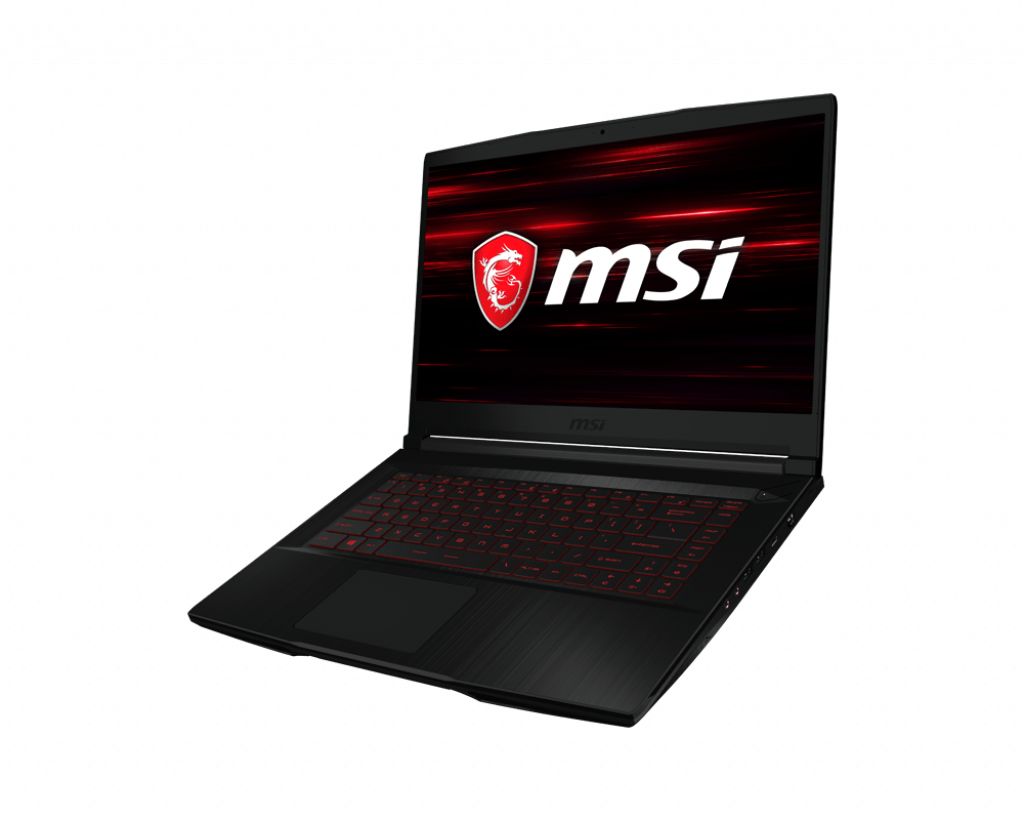
The MSI GF63 Thin 8RCS-041MX gaming laptop features two SO-DIMM slots supporting DDR4-SDRAM memory upgrades. The upgrade specifications indicate a maximum RAM capacity of 32 GB, with compatible memory operating at 2666 MHz frequency. The GF series gaming model supports SO-DIMM form factor modules for memory expansion, enabling users to upgrade from the original configuration to the maximum compatible capacity of 32 GB across the two available slots.
Memory Upgrade Specifications
| Specification | Value |
|---|---|
| Memory slots | 2x SO-DIMM |
| Form factor | SO-DIMM |
| Memory type | DDR4-SDRAM |
| Frequency | 2666 MHz |
| Maximum RAM | 32 GB |
| Voltage | 1.2V |
| Number of pins | 260-pin |
| Interface | PC4 |
| PC Speed Rating | PC4-2666 (PC4-21328) |
| Bandwidth | 21.3 GB/s |
| Laptop Release date | 10 June 2019 |
Additional Notes
- The MSI GF63 Thin 8RCS-041MX contains 2 SO-DIMM slots operating at 2666 MHz, which represents a mid-range DDR4 speed tier that may introduce latency penalties when paired with newer generation processors supporting faster memory protocols.
- Upgrading to the 32 GB maximum capacity requires replacing both SO-DIMM modules simultaneously, as single-slot configurations on this platform do not support asymmetric memory population without potential stability degradation.
- SO-DIMM form factor requires extraction of internal components and removal of the bottom access panel, exposing warranty seals that may become compromised during installation unless performed by authorized service centers.
- The 2666 MHz frequency ceiling creates a performance ceiling for applications dependent on memory bandwidth; systems saturating memory throughput will experience no additional gains beyond this specification regardless of processor capability.
- Compatibility validation becomes necessary before purchase, as DDR4-2666 SO-DIMM modules manufactured after 2020 may incorporate different PCB layouts or timing profiles that cause compatibility issues with this specific generation hardware.
- The 2-slot architecture eliminates redundancy; failure of a single module renders the system non-functional, unlike platforms with 4 or more slots where degraded operation is possible.