MSI Gaming GF63 Thin 11UCX-1421BE RAM upgrade specifications
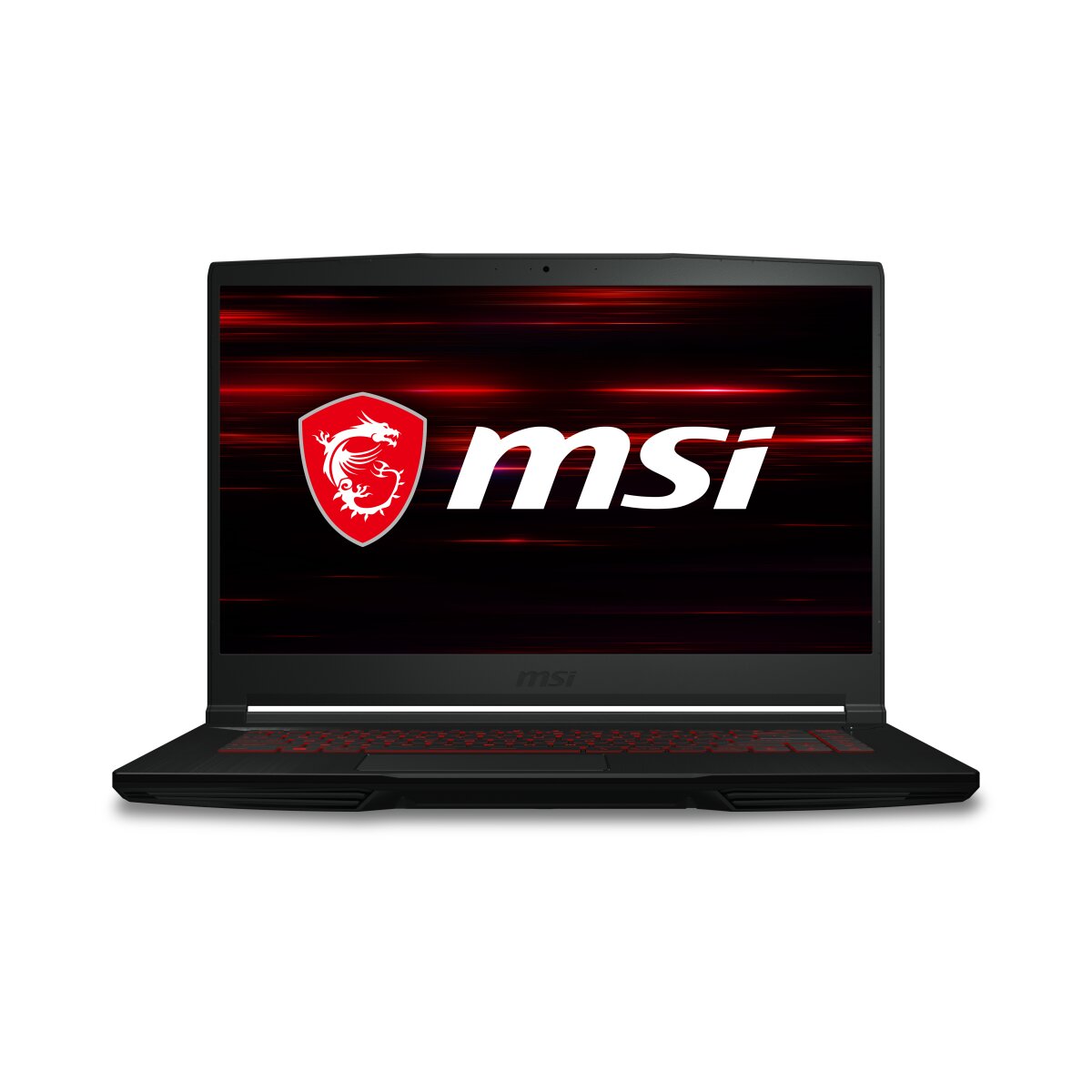
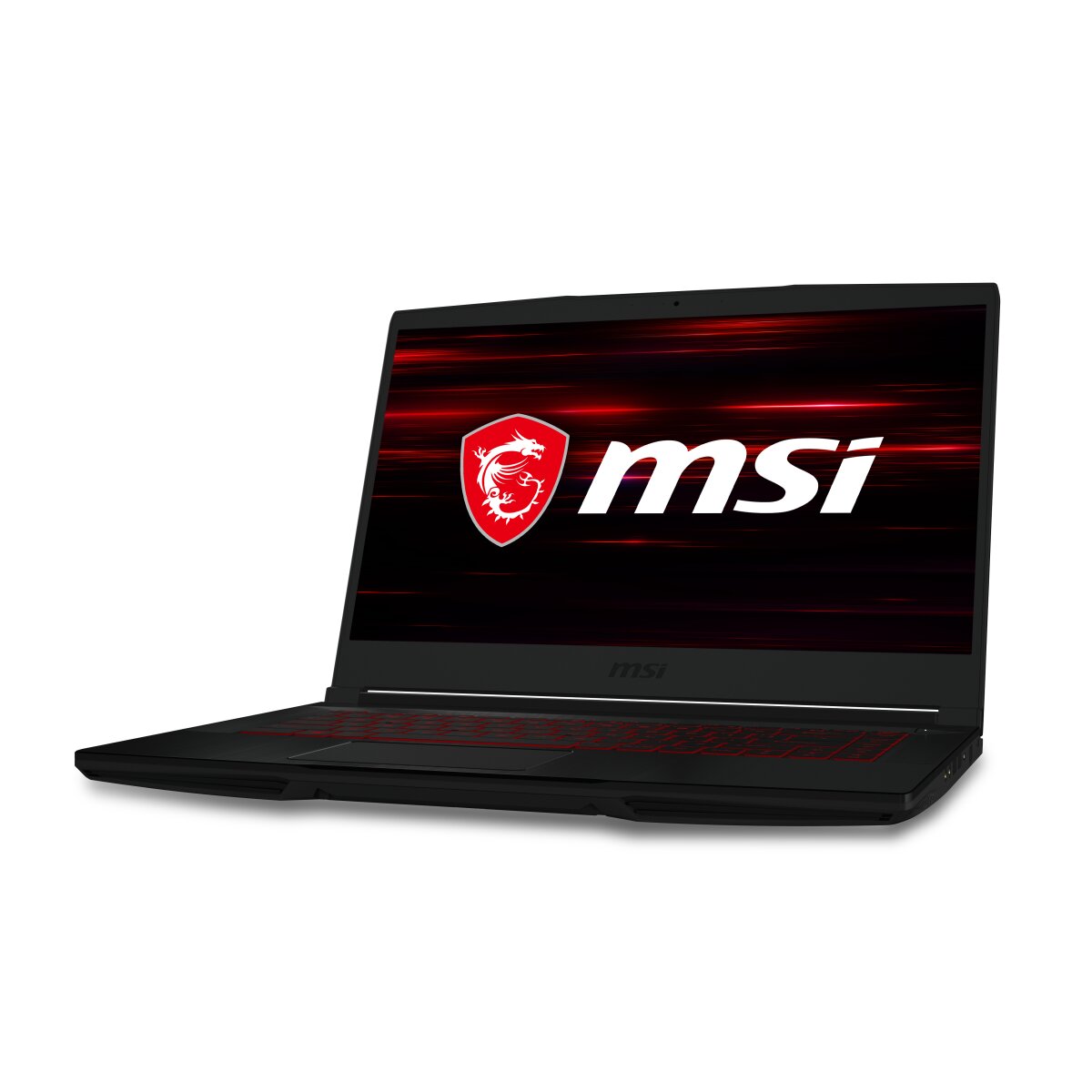
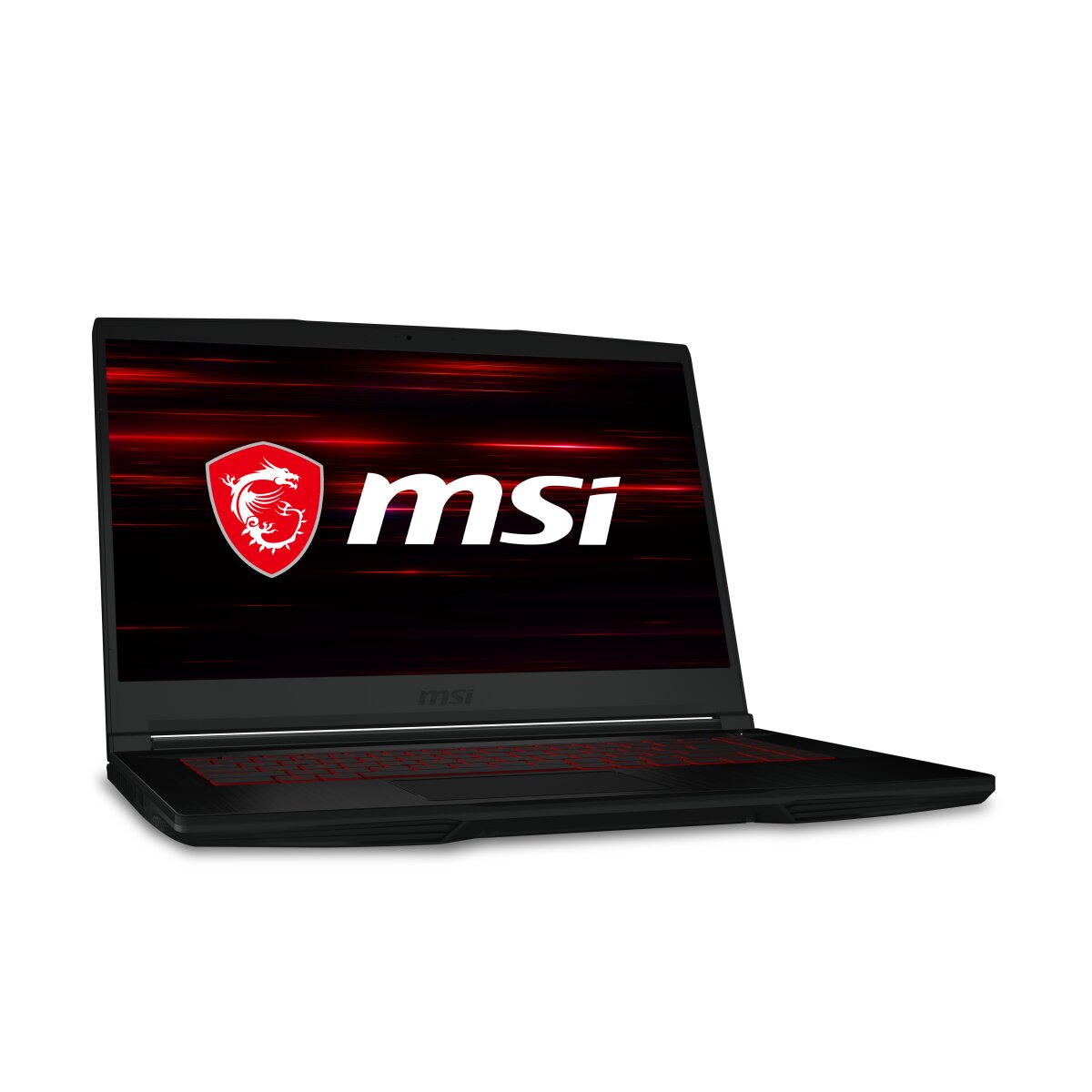


The MSI GF63 Thin 11UCX-1421BE Gaming series laptop features 2x SO-DIMM memory slots supporting DDR4-SDRAM upgrades at 3200 MHz frequency. The system accommodates a maximum RAM capacity of 64 GB, allowing users to expand the existing memory configuration. The SO-DIMM form factor specifies the compatible memory module specifications for upgrade compatibility with the GF63 Thin 11UCX-1421BE model.
Memory Upgrade Specifications
| Specification | Value |
|---|---|
| Memory slots | 2x SO-DIMM |
| Form factor | SO-DIMM |
| Memory type | DDR4-SDRAM |
| Frequency | 3200 MHz |
| Maximum RAM | 64 GB |
| Voltage | 1.2V |
| Number of pins | 260-pin |
| Interface | PC4 |
| PC Speed Rating | PC4-3200 (PC4-25600) |
| Bandwidth | 25.6 GB/s |
| Laptop Release date | 21 March 2024 |
Additional Notes
- The MSI GF63 Thin 11UCX-1421BE contains 2 SO-DIMM slots, meaning both memory modules must be replaced simultaneously to upgrade beyond the factory configuration; individual slot population is not an option for staged upgrades.
- DDR4-3200 memory operates at a fixed frequency, so mixing modules with higher rated speeds will downclock to 3200 MHz, eliminating any performance gain from premium-tier memory purchases.
- 64 GB total capacity ceiling (2 x 32 GB modules) represents the practical limit; this configuration leaves no headroom for future memory scaling beyond typical gaming and productivity workloads.
- SO-DIMM form factor constrains module selection to laptop-specific inventory; desktop DDR4 DIMM modules are physically incompatible and cannot serve as alternatives.
- Upgrading from factory memory requires complete module removal and reinsertion; if the system shipped with 8 GB or 16 GB configurations, those original modules will need disposal or repurposing elsewhere.
- Memory bandwidth throughput at 3200 MHz yields approximately 51.2 GB/s per channel; this bandwidth may become a bottleneck during sustained GPU-bound gaming sessions if the discrete graphics processor requires high-speed data feeds from system RAM.
- DDR4 technology in this configuration lacks ECC protection, meaning single-bit errors during memory operations are not detected or corrected automatically.