MSI Gaming GF63 Thin 10SCXR-690XFR RAM upgrade specifications

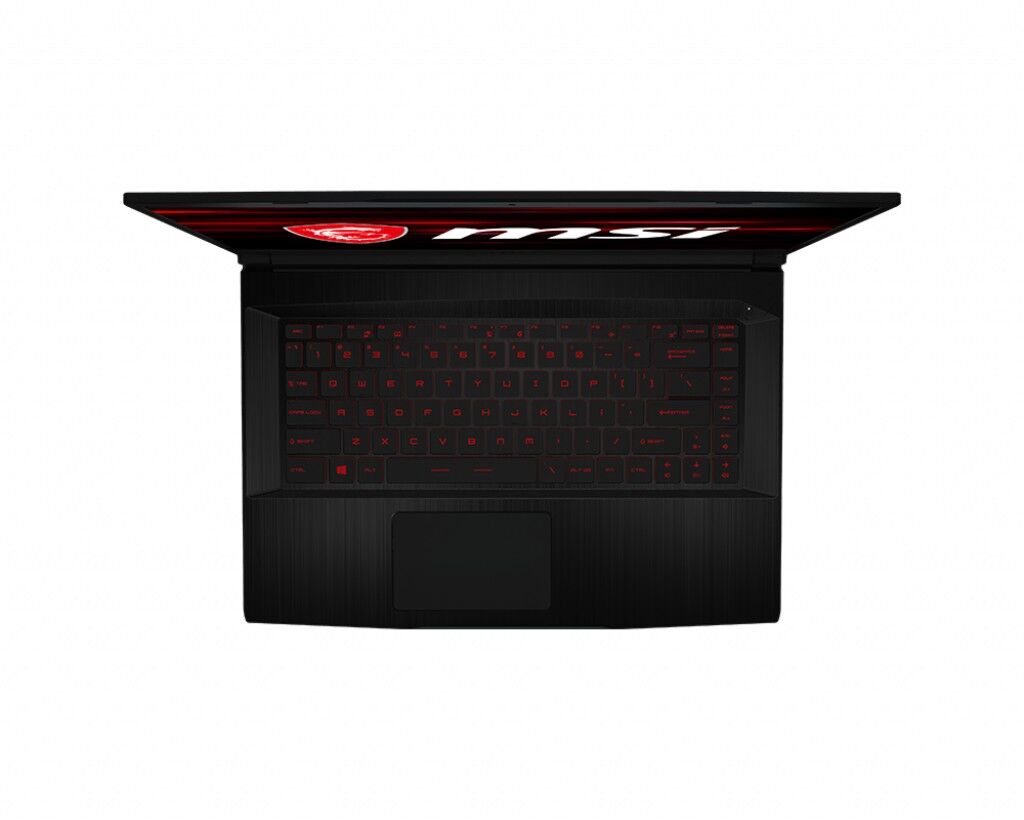

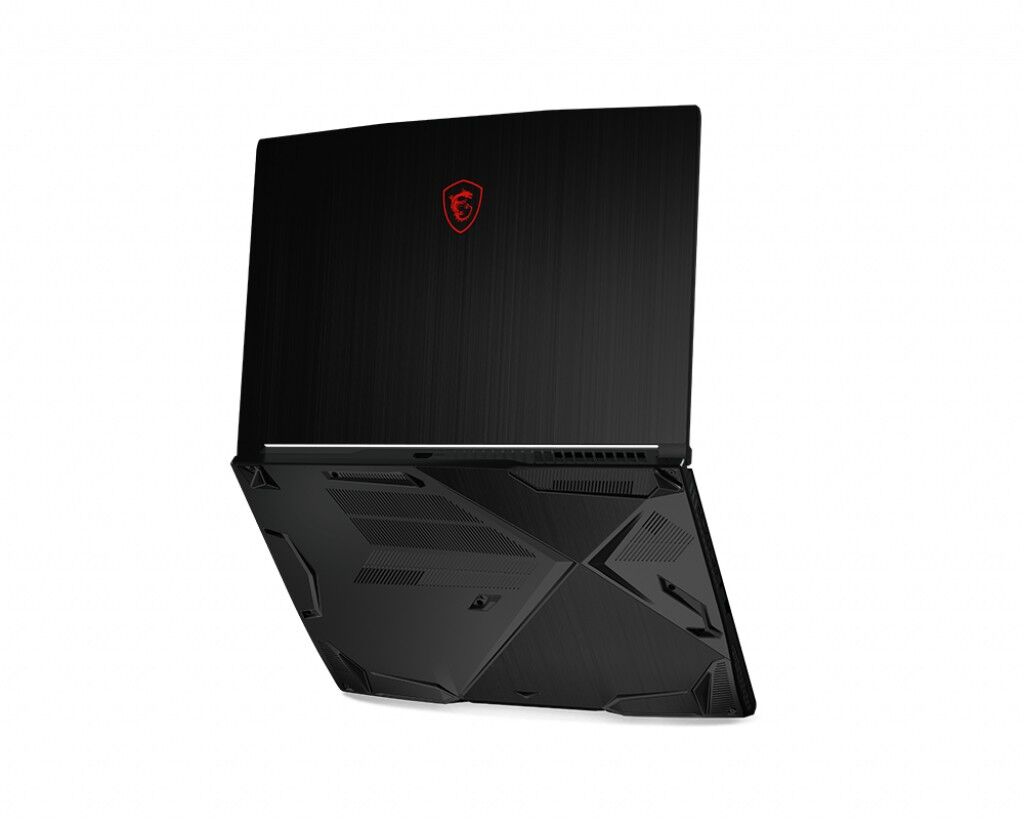

MSI GF63 Thin 10SCXR-690XFR gaming laptop memory upgrade specifications include DDR4-SDRAM compatibility with maximum capacity of 64 GB RAM. The system features 2x SO-DIMM slots for memory expansion, supporting DDR4 modules at 2666 MHz frequency. Compatible memory upgrades utilize SO-DIMM form factor specifications standard for portable computing devices. The MSI Gaming GF series supports dual-channel memory configuration, enabling users to install matching capacity modules in each available slot for optimal performance.
Memory Upgrade Specifications
| Specification | Value |
|---|---|
| Memory slots | 2x SO-DIMM |
| Form factor | SO-DIMM |
| Memory type | DDR4-SDRAM |
| Frequency | 2666 MHz |
| Maximum RAM | 64 GB |
| Voltage | 1.2V |
| Number of pins | 260-pin |
| Interface | PC4 |
| PC Speed Rating | PC4-2666 (PC4-21328) |
| Bandwidth | 21.3 GB/s |
| Laptop Release date | 22 June 2020 |
Additional Notes
- The 2666 MHz frequency represents a JEDEC standard specification that DDR4 modules will default to, though higher-rated modules at 3200 MHz will downclock automatically to match this supported speed in the MSI GF63 Thin 10SCXR-690XFR.
- Both memory slots must be populated with identical specifications to enable dual-channel mode, which doubles the effective memory bandwidth from 21.3 GB/s to 42.6 GB/s for improved integrated graphics performance and reduced CPU memory access latency.
- The 64 GB ceiling requires two 32 GB modules, though availability of DDR4 SO-DIMM modules at this density remains limited compared to standard 8 GB and 16 GB options commonly stocked by retailers.
- SO-DIMM physical access typically requires complete bottom panel removal on thin-profile gaming notebooks, where cable ribbon connectors and thermal pad positioning necessitate careful handling to avoid warranty-voiding damage during installation.
- Single-sided module construction proves necessary for clearance in compact chassis designs, as double-sided modules with memory chips on both PCB surfaces may cause physical interference with neighboring components or cooling solutions.
- Mixing modules with different CAS latency timings forces the memory controller to operate all installed RAM at the slowest common timing specification, potentially degrading performance compared to matched module pairs.
- Non-ECC unbuffered modules represent the only compatible architecture, as registered or error-correcting memory types require server-grade chipset support absent from consumer mobile platforms.
- Voltage specification remains fixed at 1.2V for standard DDR4 operation, where low-voltage DDR4L variants at 1.05V offer no compatibility advantage and may introduce stability issues with controllers designed for standard voltage profiles.