MSI Gaming GF63 Thin 10SCXR-686FR RAM upgrade specifications
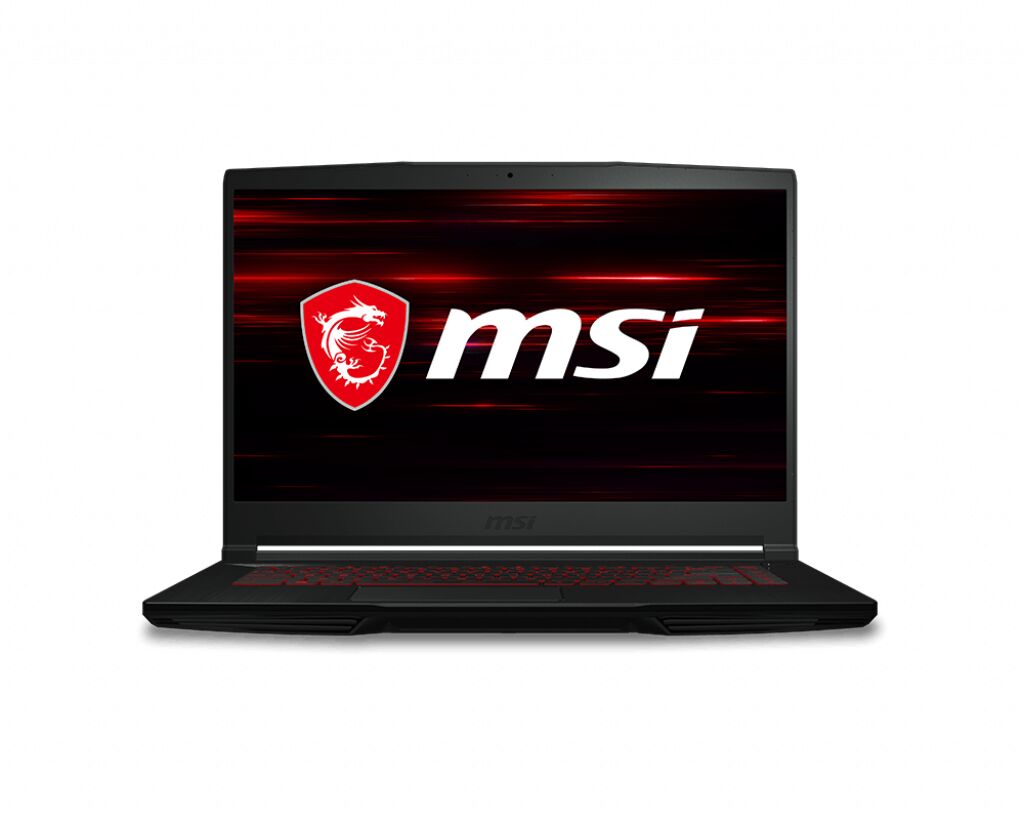
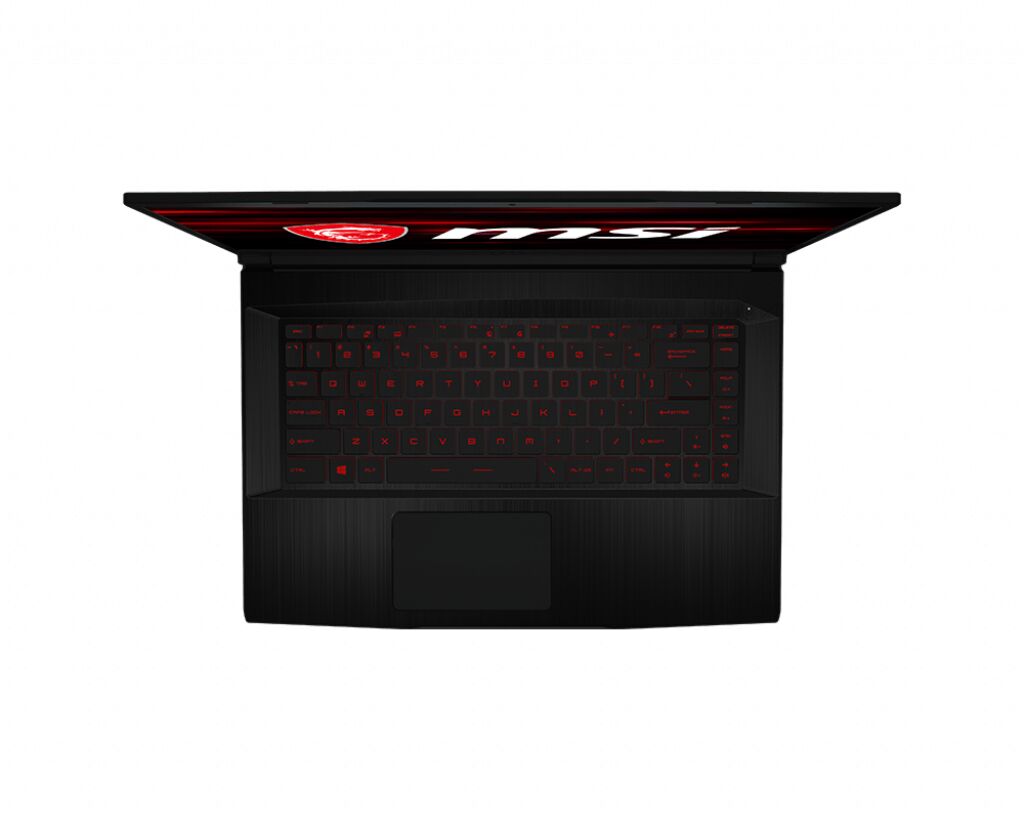
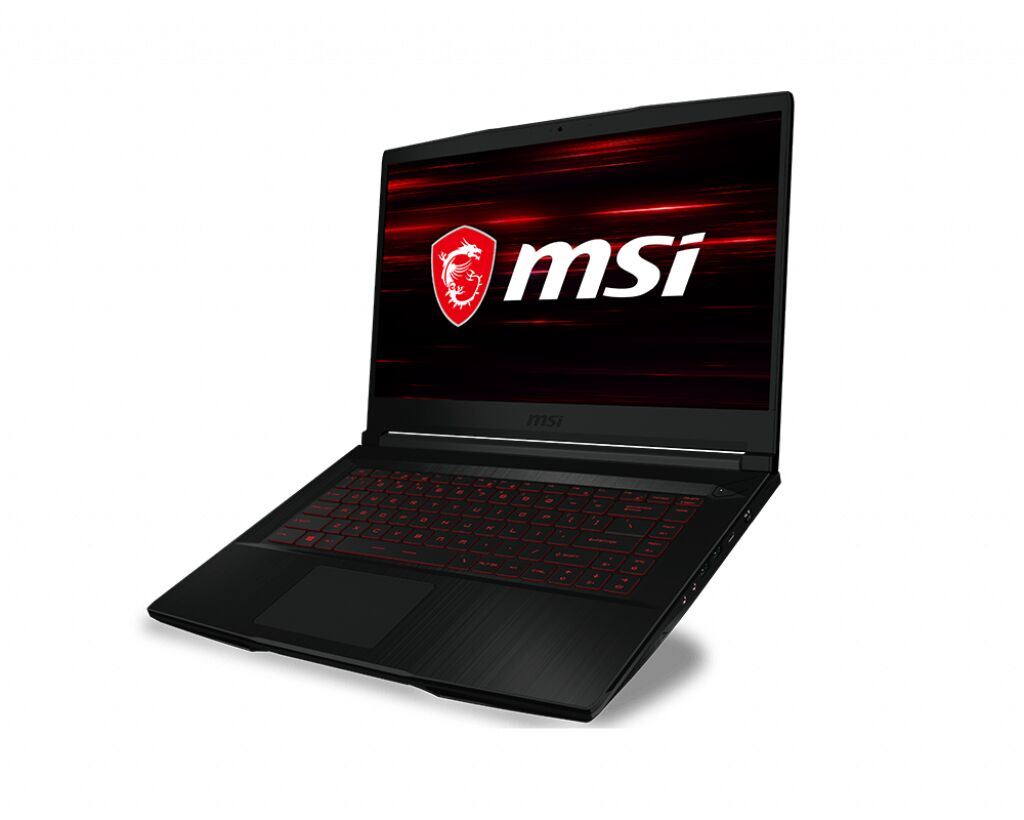
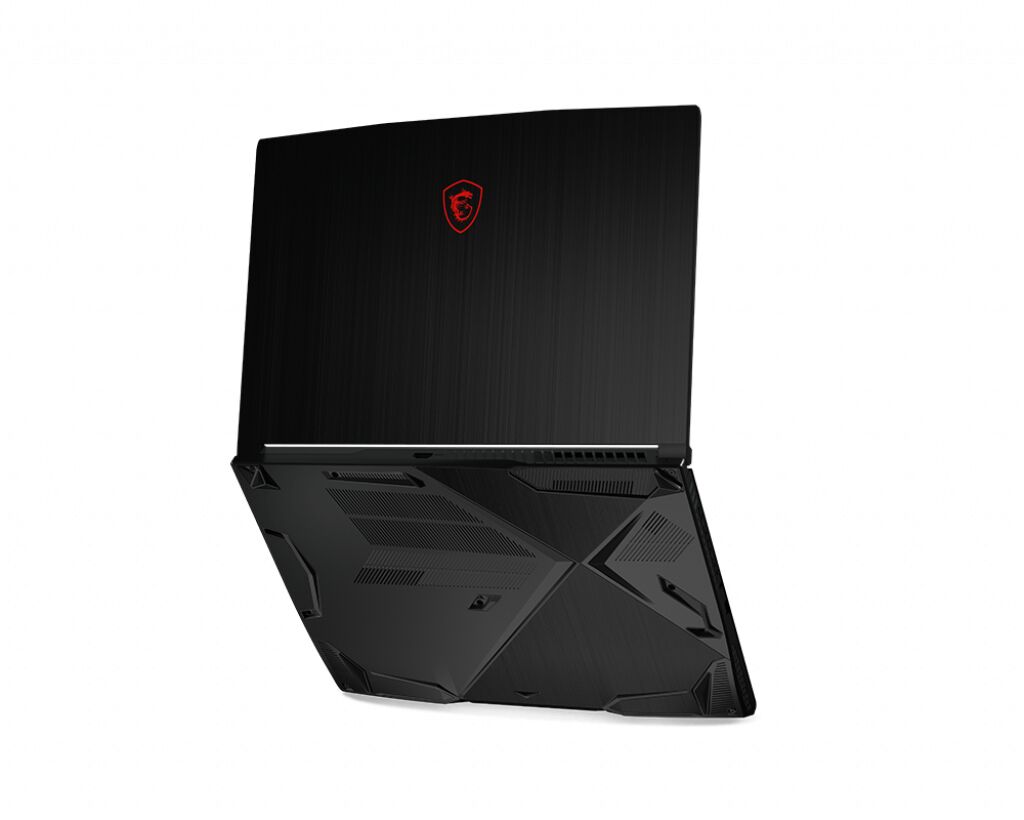
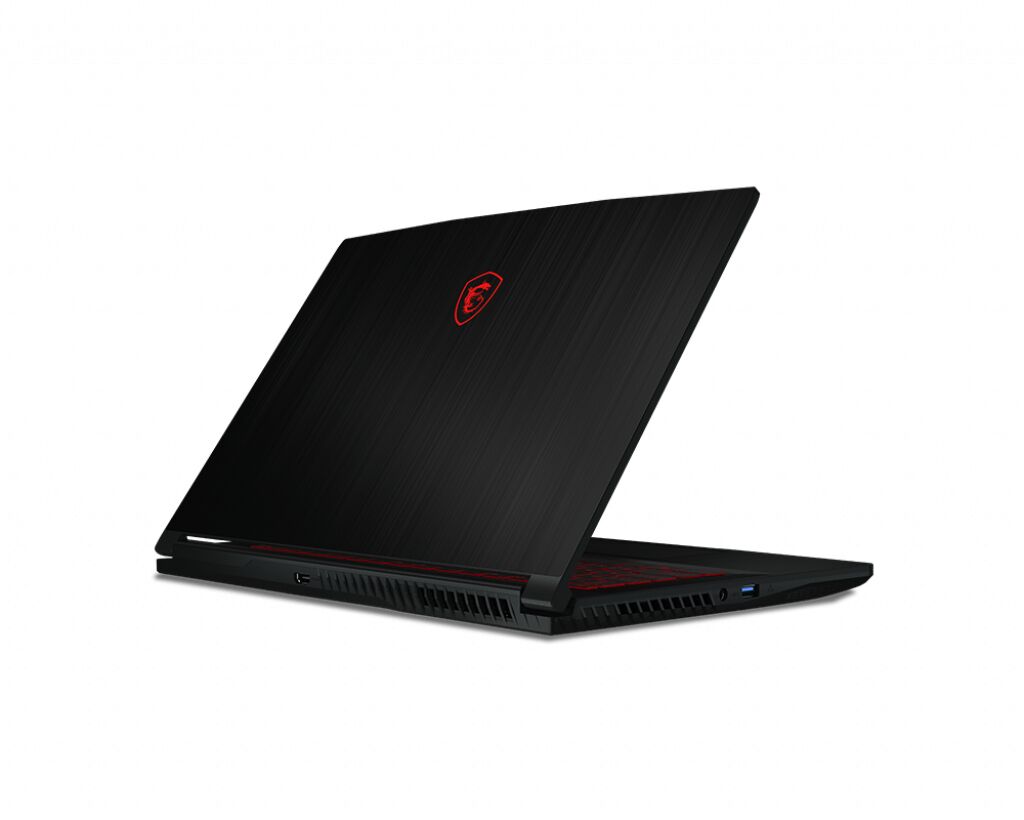
The MSI GF63 Thin 10SCXR-686FR gaming laptop features DDR4-SDRAM memory upgrade specifications with two SO-DIMM slots supporting maximum capacity of 64 GB. The system operates at 2666 MHz frequency. Memory upgrade options are compatible with SO-DIMM form factor modules, allowing configuration of the gaming series machine for enhanced RAM capacity up to specified maximum. Specifications indicate dual-slot architecture enabling modular memory expansion for the GF gaming family laptop model.
Memory Upgrade Specifications
| Specification | Value |
|---|---|
| Memory slots | 2x SO-DIMM |
| Form factor | SO-DIMM |
| Memory type | DDR4-SDRAM |
| Frequency | 2666 MHz |
| Maximum RAM | 64 GB |
| Voltage | 1.2V |
| Number of pins | 260-pin |
| Interface | PC4 |
| PC Speed Rating | PC4-2666 (PC4-21328) |
| Bandwidth | 21.3 GB/s |
| Laptop Release date | 16 July 2020 |
Additional Notes
- The MSI GF63 Thin 10SCXR-686FR accepts DDR4 modules with JEDEC standard voltage of 1.2V, preventing compatibility with older DDR3 or DDR3L modules that operate at different voltage specifications.
- Both memory slots support dual-channel architecture, requiring matched pairs of modules to achieve maximum memory bandwidth of 42.7 GB/s compared to 21.3 GB/s in single-channel configuration.
- The 10th generation Intel Core processor supports native DDR4-2933 speeds, but memory frequency remains locked at 2666 MHz through chipset limitations in this model.
- Installing higher frequency modules rated at 3200 MHz will function but downclock to the supported 2666 MHz base frequency without performance gain.
- Single-rank modules typically offer better compatibility in maximum capacity configurations, while dual-rank DIMMs may provide marginal performance improvements in bandwidth-intensive applications.
- The 64 GB maximum capacity requires 2 modules of 32 GB each, utilizing high-density chips that became commercially available after initial product launch.
- Memory upgrade procedures require access through the bottom panel, which may involve removing multiple screws and potentially voiding certain warranty seals depending on regional service policies.
- SO-DIMM modules measure 67.6 mm in length compared to 133.35 mm desktop DIMMs, preventing physical installation of standard UDIMM memory.
- Mixing modules with different CAS latencies will force all installed memory to operate at the slowest timing specification across both channels.
- The Intel HM470 chipset architecture allocates memory controller functions within the processor die, meaning memory performance characteristics remain consistent regardless of motherboard revision.