MSI Gaming GF63 Thin 10SCXR-1404FR RAM upgrade specifications
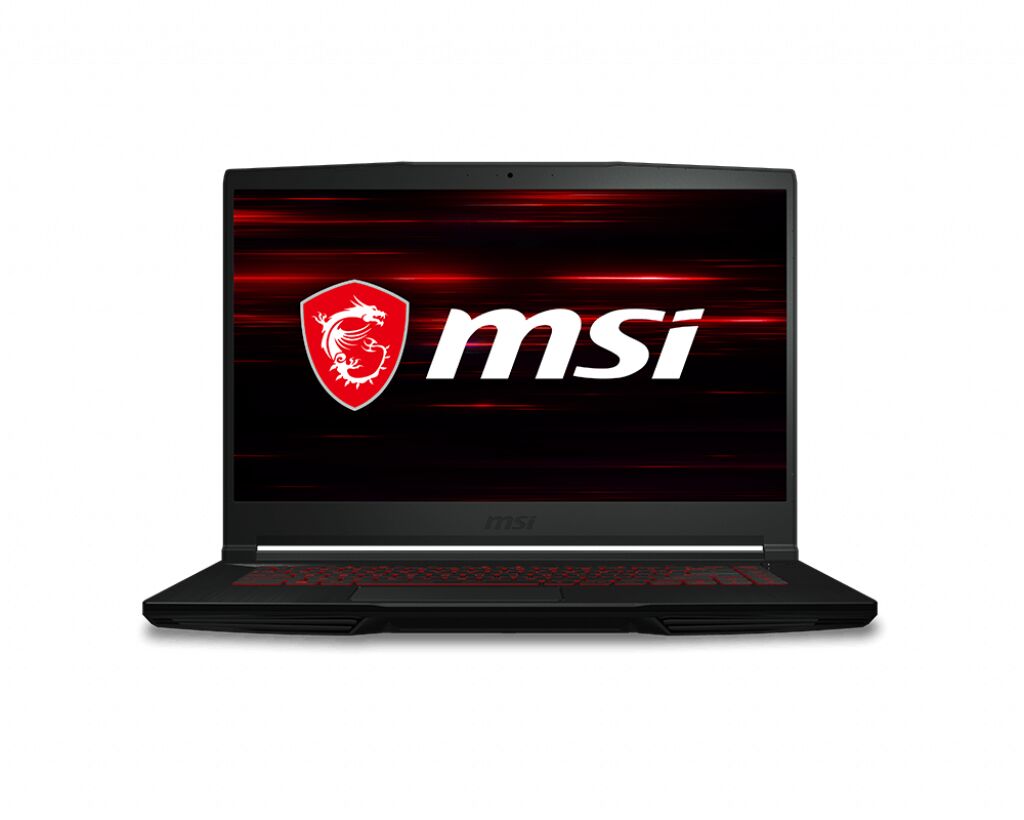
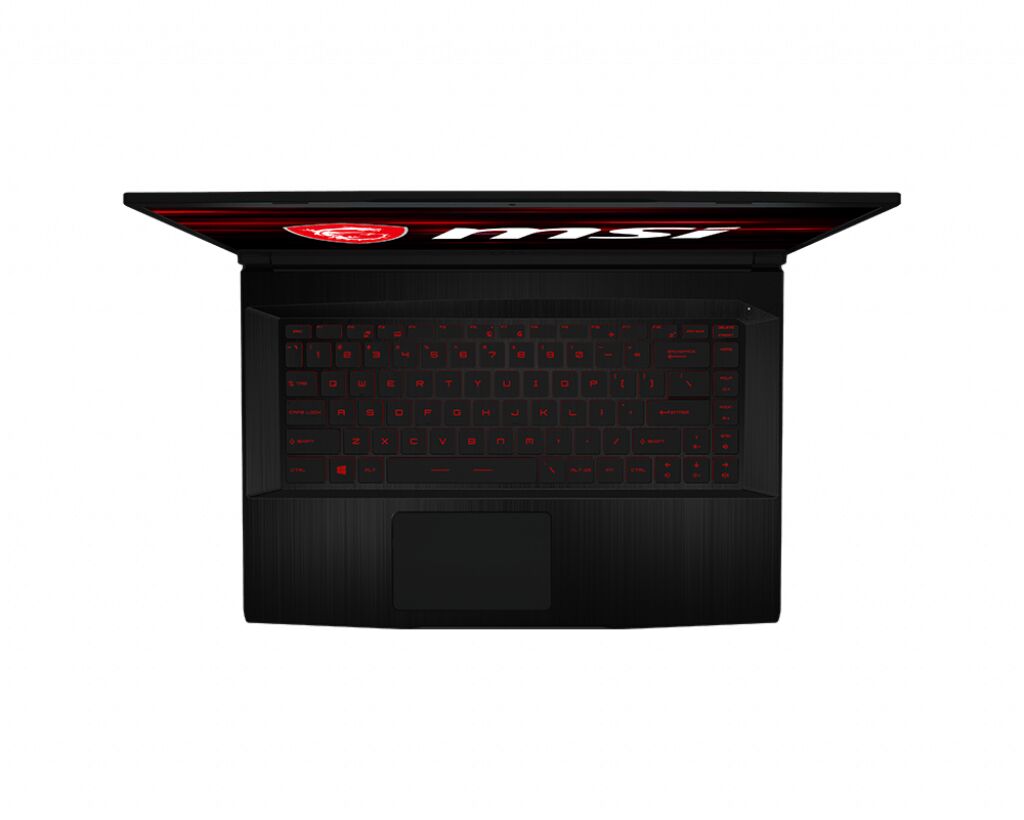
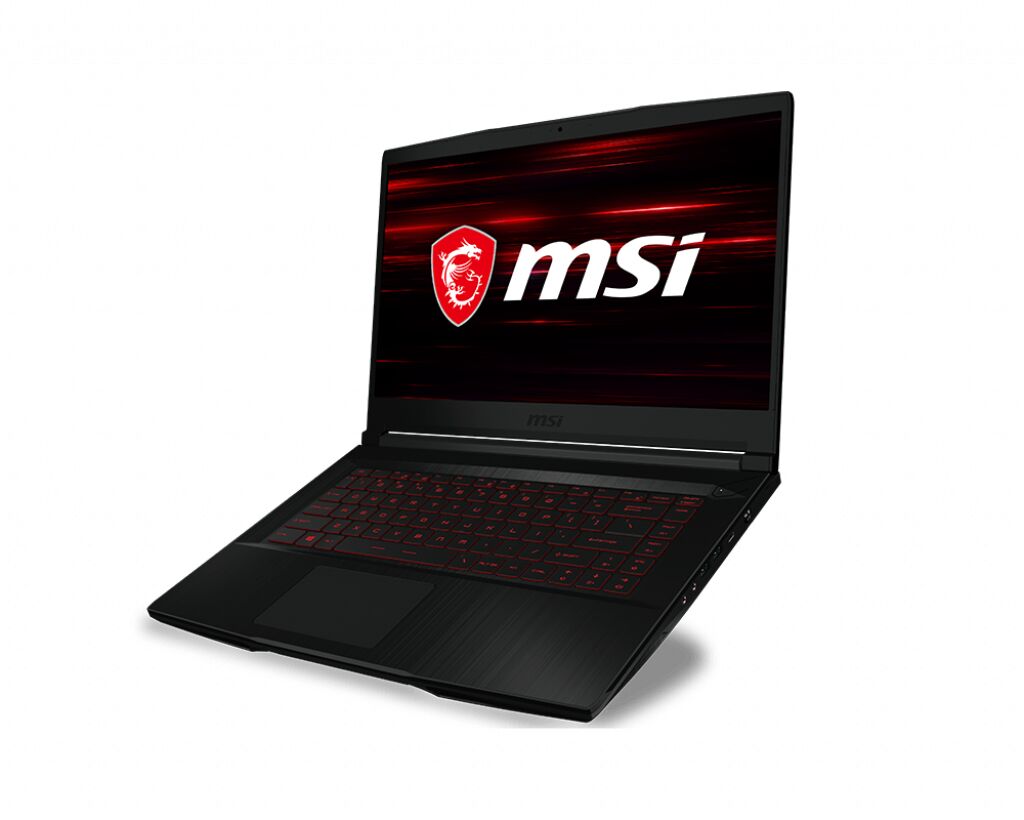
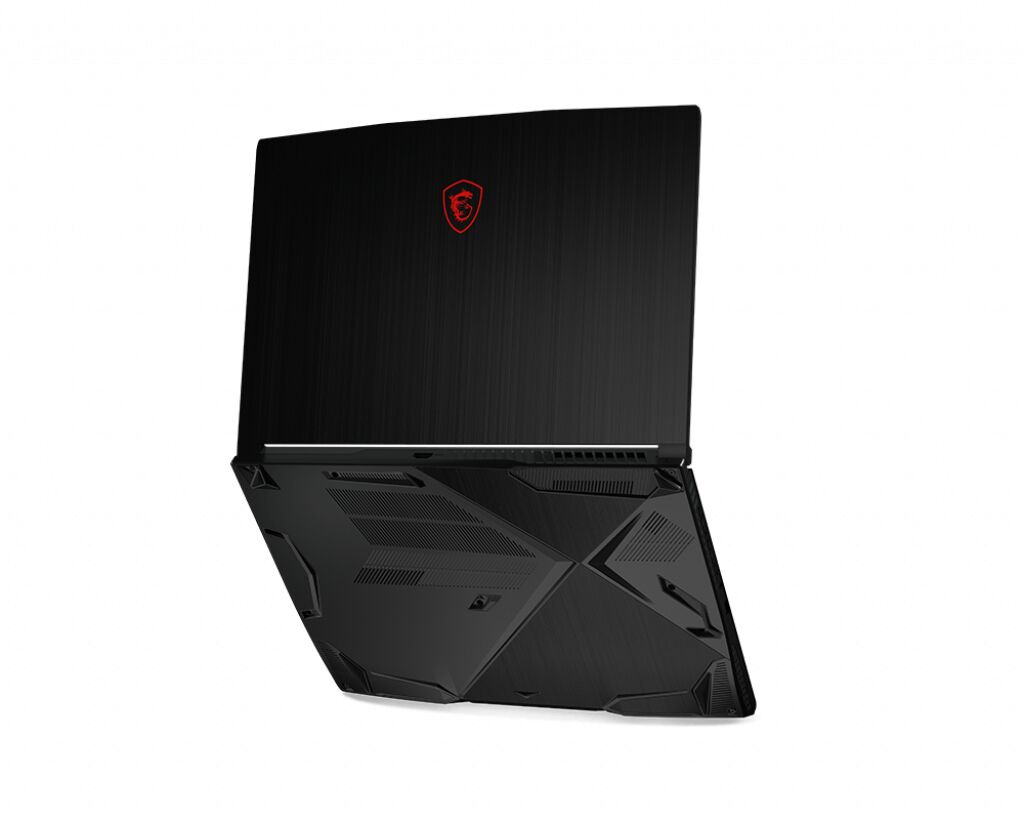
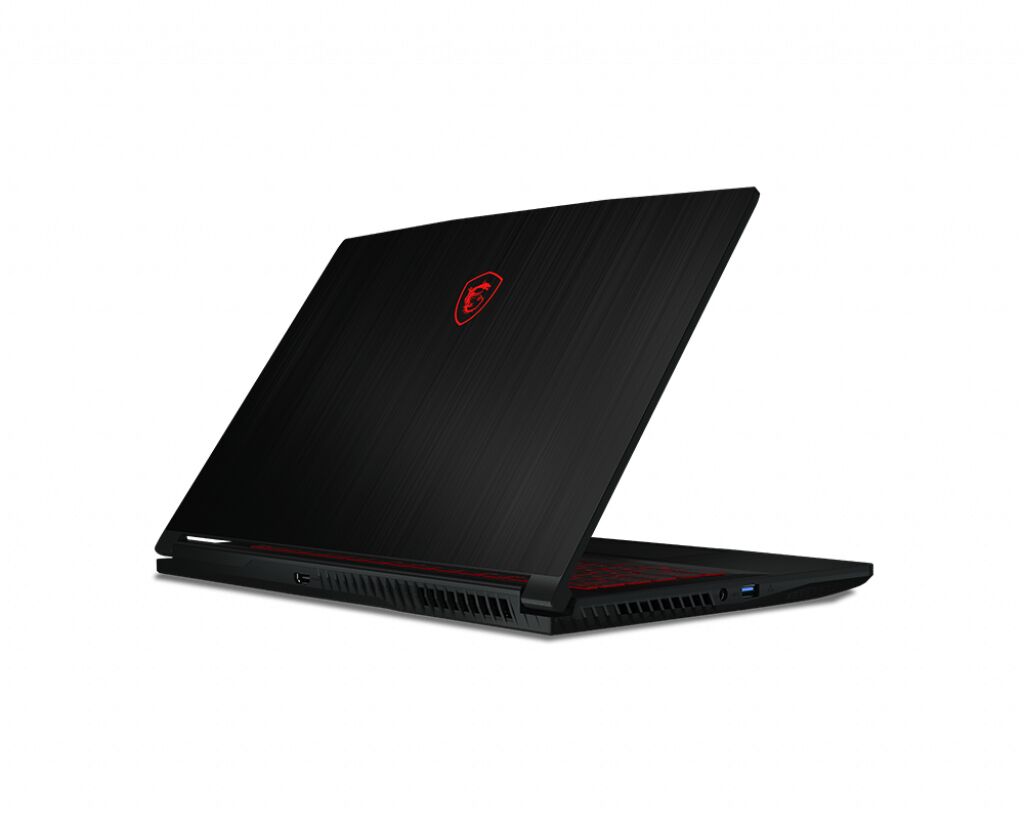
MSI GF63 Thin 10SCXR-1404FR gaming laptop features DDR4-SDRAM memory upgrade capability with two SO-DIMM slots supporting maximum capacity of 64 GB RAM. Compatible memory specifications include 3200 MHz frequency operation. Upgrade slots accept standard SO-DIMM form factor modules, enabling users to expand existing memory configuration up to the maximum supported capacity of 64 GB total system RAM.
Memory Upgrade Specifications
| Specification | Value |
|---|---|
| Memory slots | 2x SO-DIMM |
| Form factor | SO-DIMM |
| Memory type | DDR4-SDRAM |
| Frequency | 3200 MHz |
| Maximum RAM | 64 GB |
| Voltage | 1.2V |
| Number of pins | 260-pin |
| Interface | PC4 |
| PC Speed Rating | PC4-3200 (PC4-25600) |
| Bandwidth | 25.6 GB/s |
| Laptop Release date | 19 December 2020 |
Additional Notes
- The chipset supports DDR4-3200, but dual-channel configuration requires matched module speeds to avoid automatic downclocking to the slower stick's frequency.
- Populating both SO-DIMM slots enables dual-channel memory architecture, effectively doubling theoretical bandwidth compared to single-channel operation.
- The 64 GB ceiling necessitates 32 GB modules for maximum capacity, which limits flexibility if budget constraints favor incremental upgrades.
- Non-ECC unbuffered modules are required for consumer-grade MSI GF63 Thin 10SCXR-1404FR compatibility, as registered or ECC SO-DIMMs will not initialize.
- JEDEC-standard DDR4-3200 operates at 1.2 volts, while overclocked or high-performance variants may draw 1.35 volts and trigger thermal throttling in thin chassis designs.
- CAS latency timings beyond CL22 may bottleneck real-world application responsiveness despite matching the 3200 MHz frequency specification.
- Accessing SO-DIMM slots typically requires bottom panel removal, which may void seals on certain warranty jurisdictions if tamper-evident stickers are present.
- Single-rank versus dual-rank module topology affects memory interleaving efficiency, with dual-rank configurations sometimes yielding marginal performance gains in bandwidth-sensitive tasks.
- The platform lacks official support for faster JEDEC speeds above 3200 MHz, meaning DDR4-3600 modules will downclock and waste premium pricing.
- Mixing manufacturers or revision codes between slots can cause POST failures or stability issues, even when specifications appear identical.