MSI Gaming GF63 Thin 10SCXR-1070FR RAM upgrade specifications
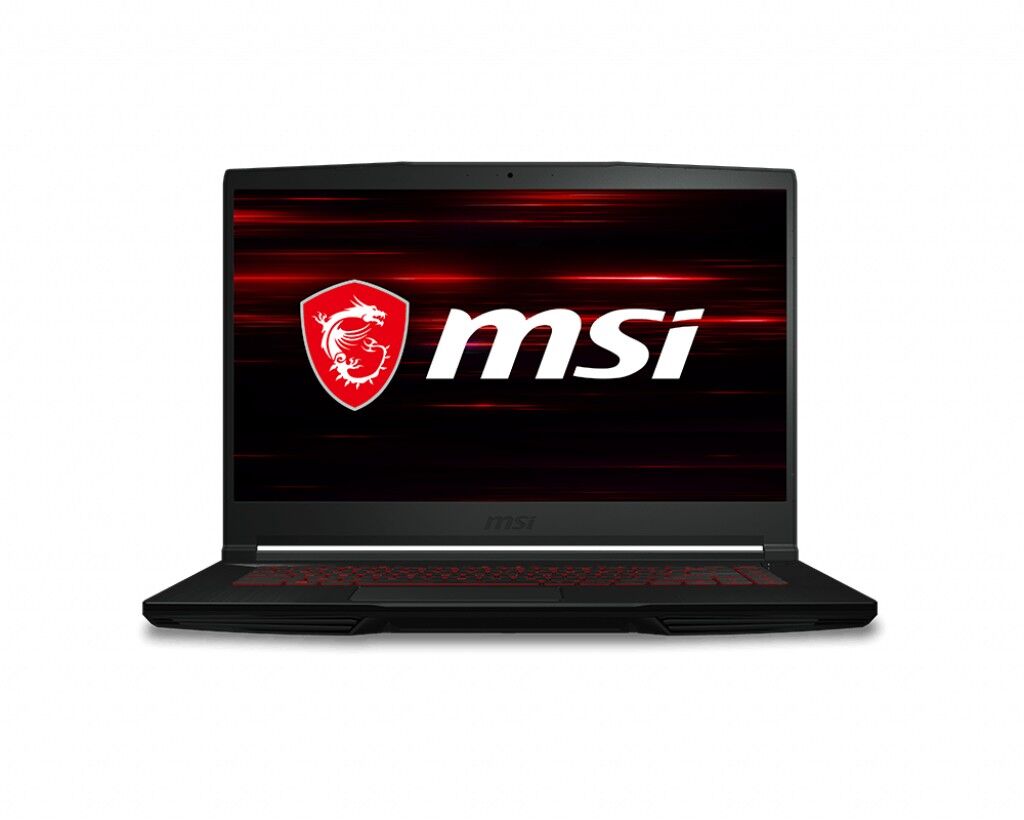
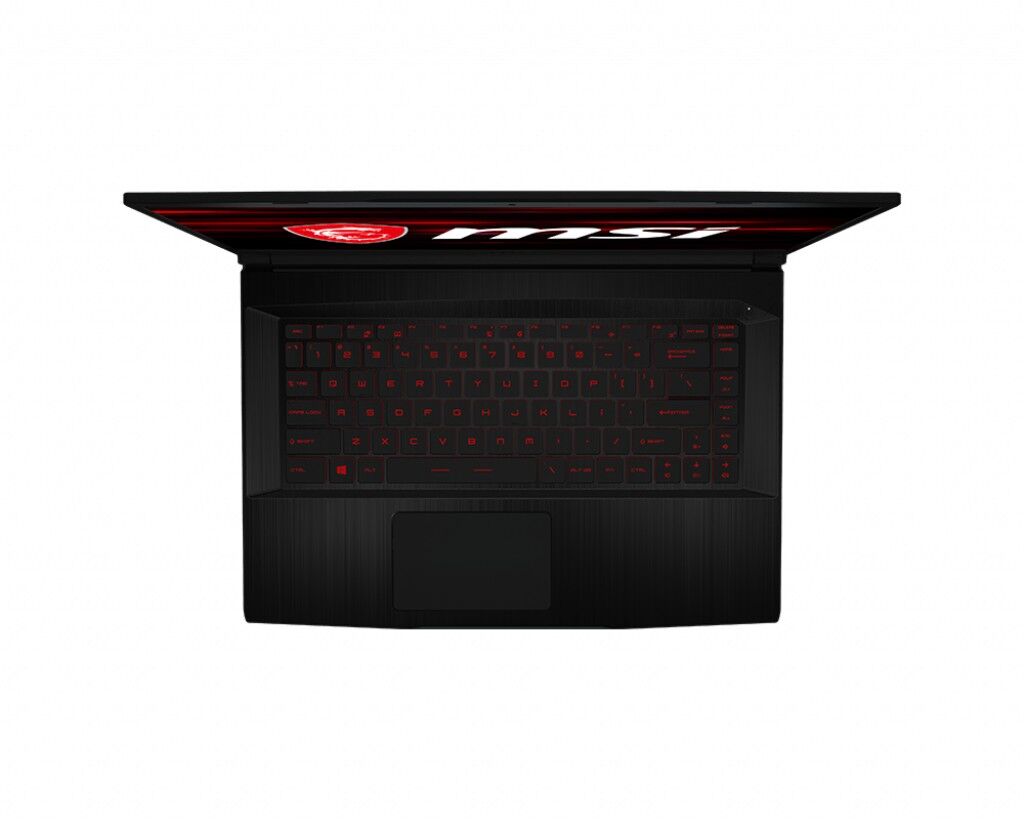
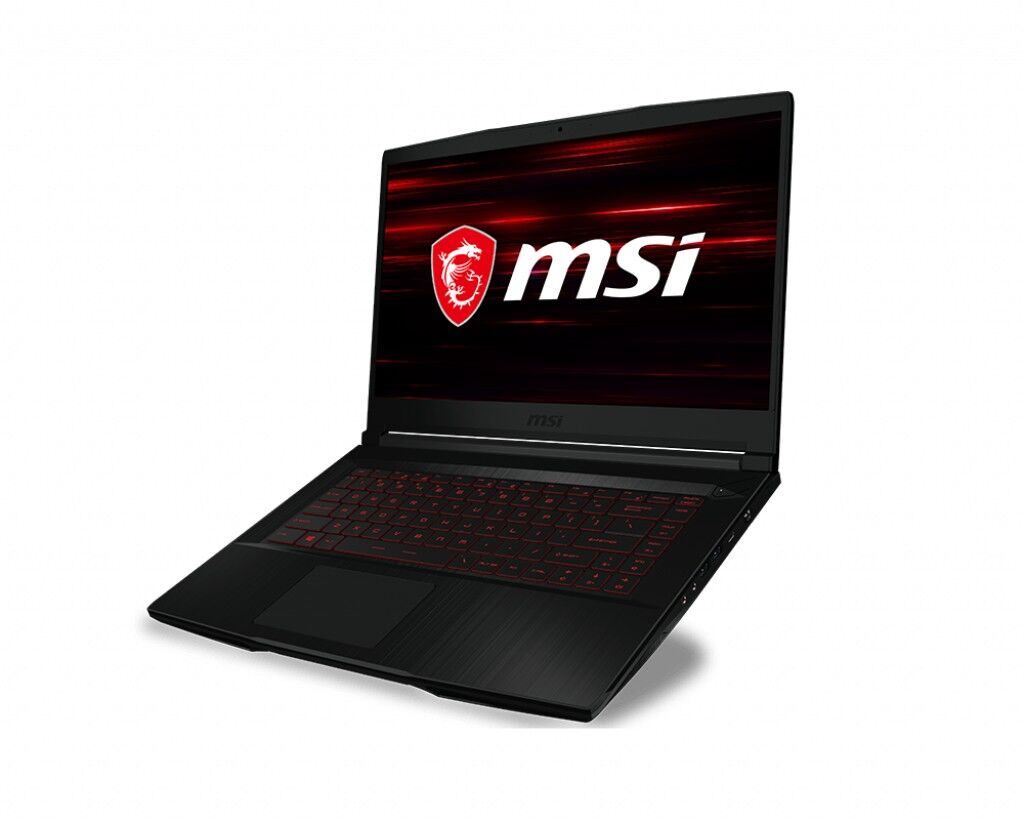
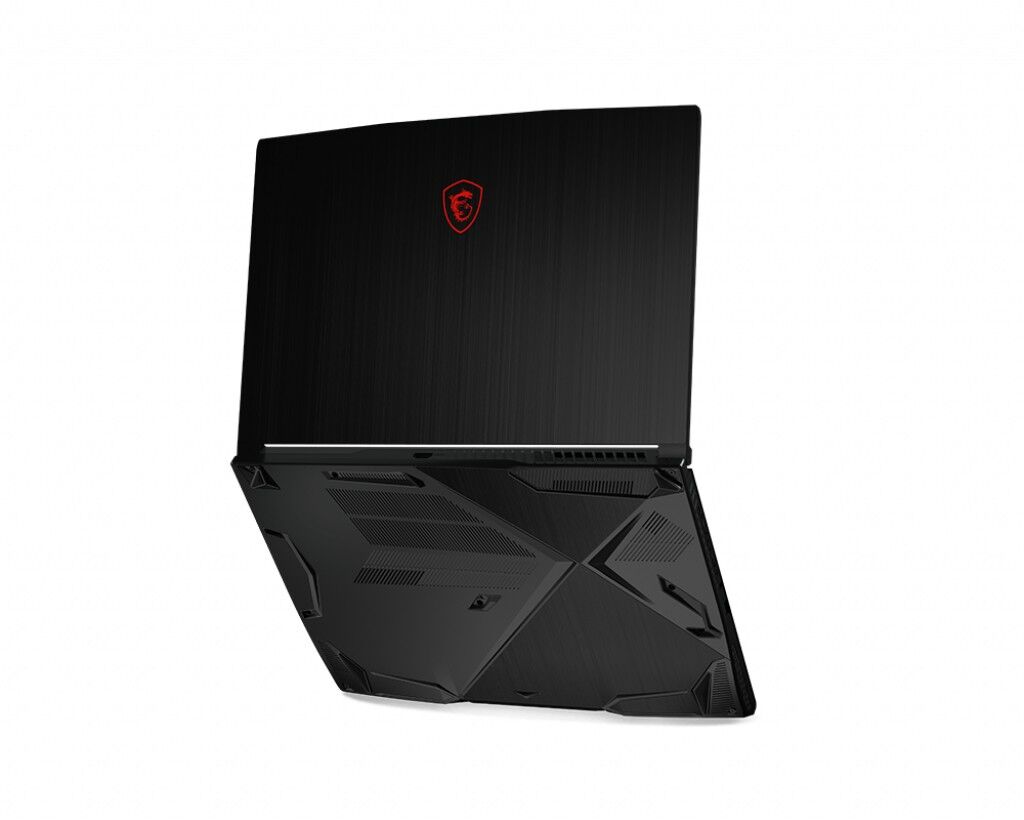
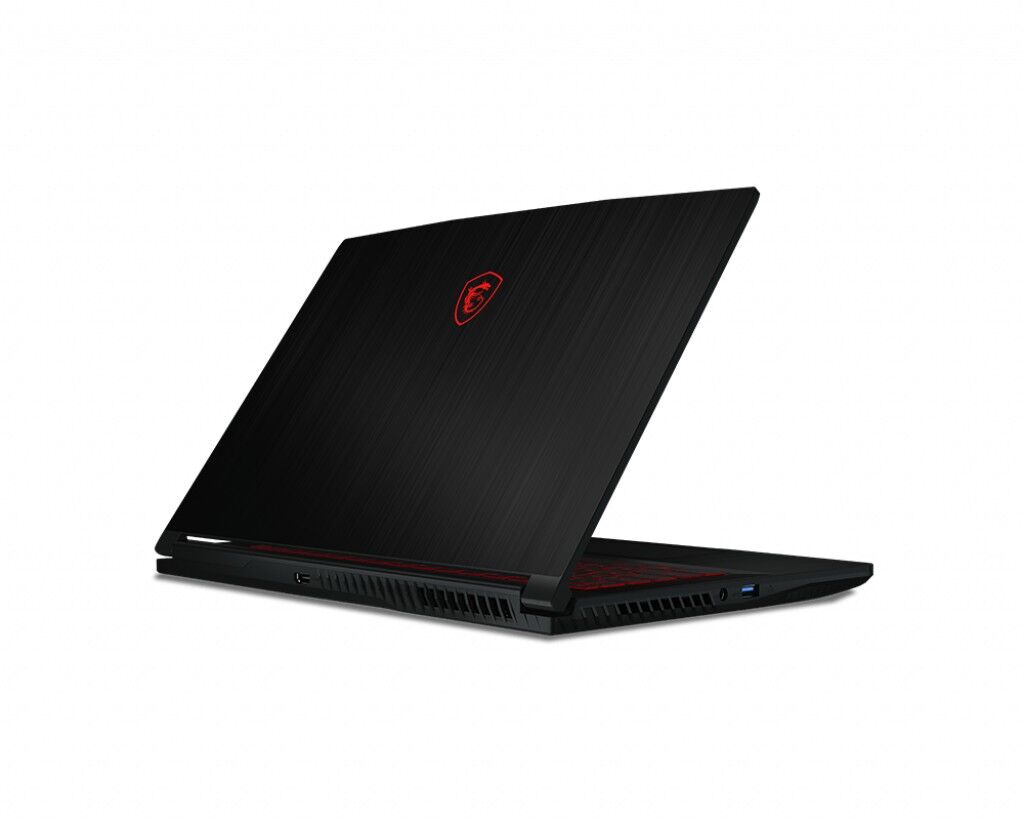
The MSI GF63 Thin 10SCXR-1070FR Gaming series laptop features DDR4-SDRAM memory upgrade specifications with 2x SO-DIMM slots supporting a maximum RAM capacity of 64 GB. Memory modules operate at 2666 MHz frequency utilizing SO-DIMM form factor. Compatible upgrades for this MSI Gaming GF series model expand system memory beyond factory specifications through available slot capacity.
Memory Upgrade Specifications
| Specification | Value |
|---|---|
| Memory slots | 2x SO-DIMM |
| Form factor | SO-DIMM |
| Memory type | DDR4-SDRAM |
| Frequency | 2666 MHz |
| Maximum RAM | 64 GB |
| Voltage | 1.2V |
| Number of pins | 260-pin |
| Interface | PC4 |
| PC Speed Rating | PC4-2666 (PC4-21328) |
| Bandwidth | 21.3 GB/s |
| Laptop Release date | 28 August 2020 |
Additional Notes
- The MSI GF63 Thin 10SCXR-1070FR uses SO-DIMM slots, which are laptop-specific and physically incompatible with standard desktop DDR4 modules, requiring SO-DIMM variants for any memory expansion.
- DDR4-2666 MHz operates below contemporary gaming laptop standards, creating potential memory bandwidth bottlenecks when paired with 10th-generation Intel processors that officially support up to DDR4-3200 MHz, resulting in suboptimal memory-to-CPU communication speeds.
- The 2-slot configuration with 64 GB maximum capacity means upgrading to the theoretical ceiling requires 2x32 GB SO-DIMM modules, which remain significantly more expensive than equivalent 16 GB or 8 GB sticks and may not be widely stocked by retailers.
- Dual-channel memory architecture on 2 slots cannot be expanded; a single empty slot after factory population prevents asymmetrical configurations, making incremental upgrades inefficient if one slot remains occupied.
- Warranty implications apply when opening the chassis for RAM installation, requiring verification of MSI's specific terms regarding user-serviceable components before proceeding with any memory modifications.
- DDR4-2666 modules sourced as replacements must explicitly support this frequency or lower to maintain stability; higher-frequency DDR4 modules will downclock to 2666 MHz, providing no performance gain while adding cost.