MSI Gaming GF63 Thin 10SCSR-1207FR RAM upgrade specifications
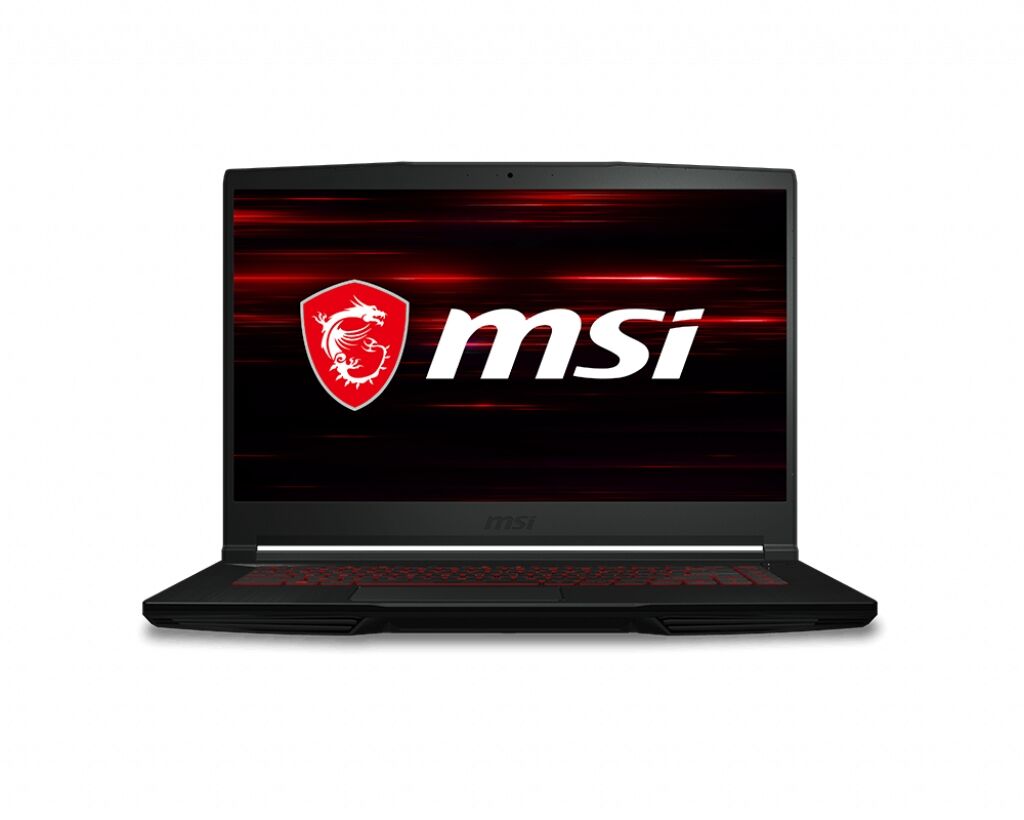
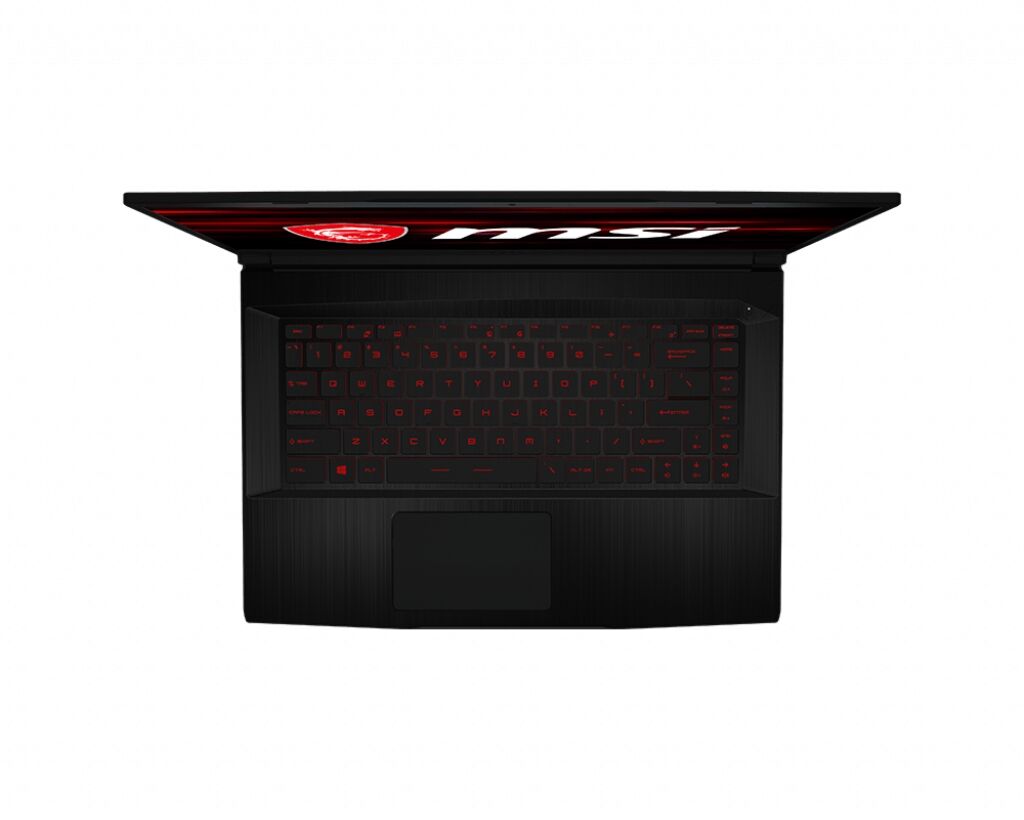
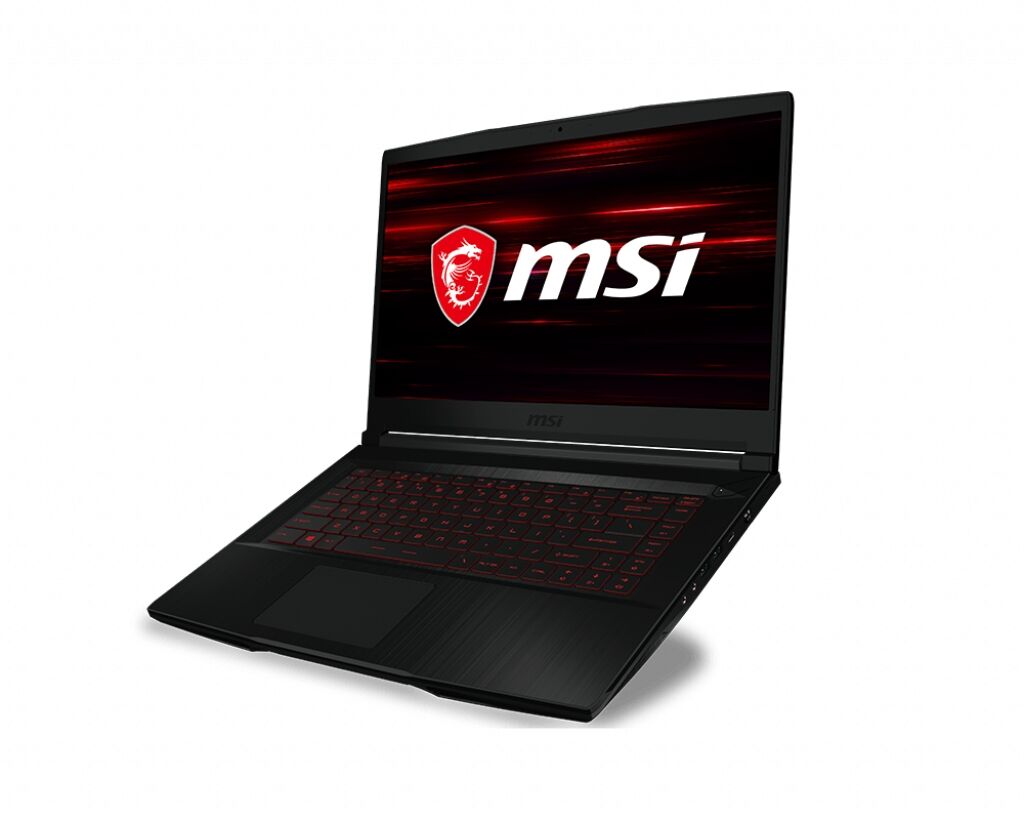
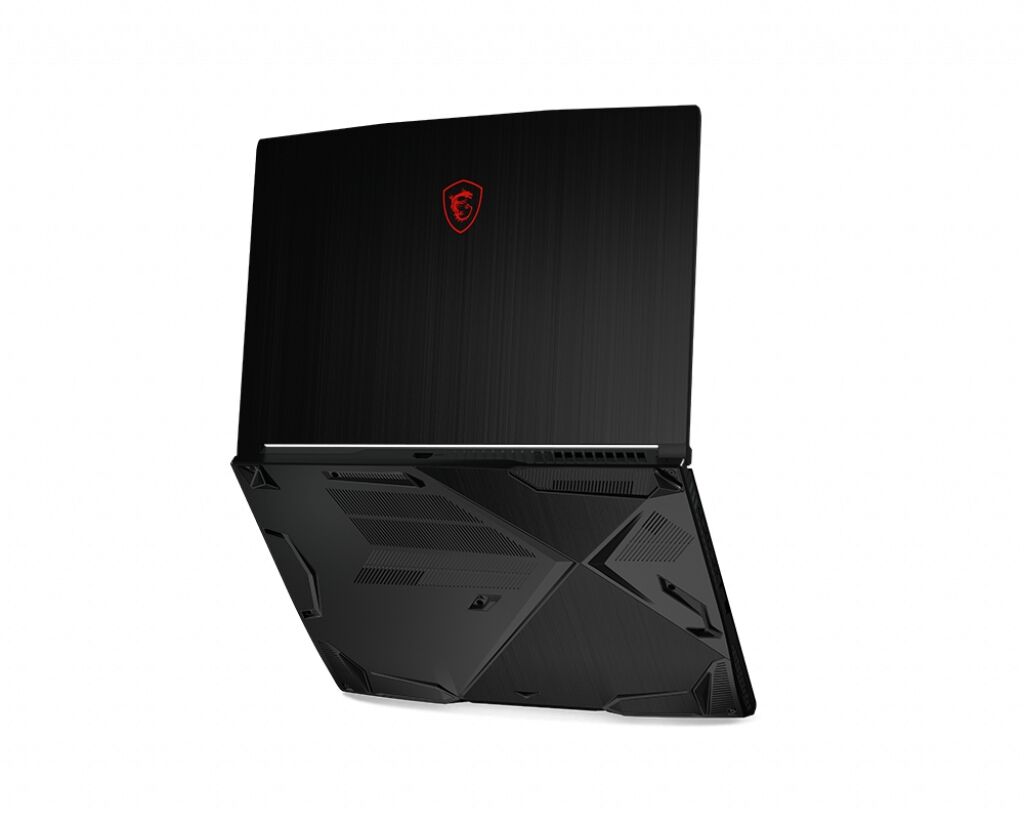
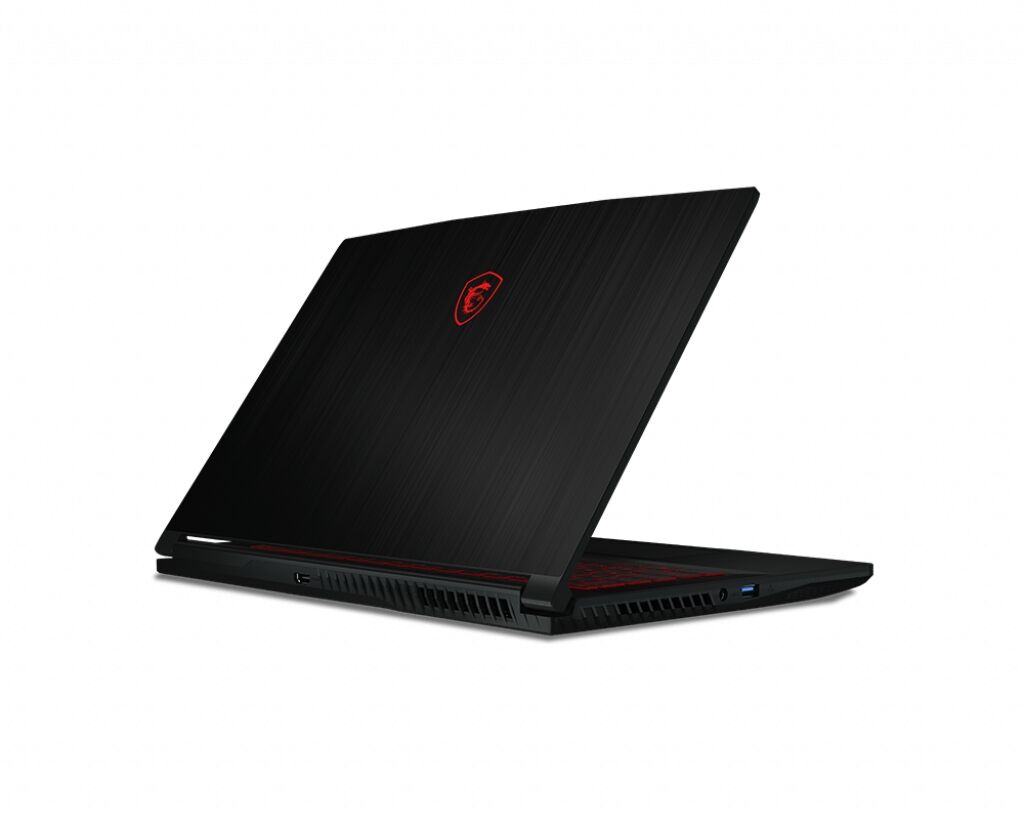
The MSI GF63 Thin 10SCSR-1207FR gaming laptop features two SO-DIMM memory slots supporting DDR4-SDRAM upgrade capacity. The system accommodates maximum RAM of 64 GB total, with compatible modules operating at 2666 MHz frequency. Upgrade specifications enable expansion from baseline configuration to reach stated maximum memory capacity. The GF series thin gaming model supports SO-DIMM form factor memory modules for RAM upgrade installation and replacement procedures.
Memory Upgrade Specifications
| Specification | Value |
|---|---|
| Memory slots | 2x SO-DIMM |
| Form factor | SO-DIMM |
| Memory type | DDR4-SDRAM |
| Frequency | 2666 MHz |
| Maximum RAM | 64 GB |
| Voltage | 1.2V |
| Number of pins | 260-pin |
| Interface | PC4 |
| PC Speed Rating | PC4-2666 (PC4-21328) |
| Bandwidth | 21.3 GB/s |
| Laptop Release date | 19 November 2020 |
Additional Notes
- The MSI GF63 Thin 10SCSR-1207FR operates with DDR4 memory at 2666 MHz, which represents a 400 MHz reduction from standard DDR4-3066 performance. This frequency ceiling constrains bandwidth delivery to the processor, potentially limiting sustained frame rates in CPU-bound gaming scenarios where higher memory throughput provides measurable performance gains.
- Dual SO-DIMM architecture with 64 GB maximum capacity indicates the motherboard supports symmetric dual-channel configuration. Populating both slots equally (32 GB per module) is required to maintain dual-channel bandwidth; asymmetrical configurations trigger single-channel fallback on one populated slot, halving memory bandwidth and degrading gaming performance.
- SO-DIMM form factor constrains physical upgrade options exclusively to laptop-compatible memory modules. Desktop DDR4 UDIMM modules are mechanially incompatible; attempting installation results in non-seating and potential connector damage. Replacement memory must be SO-DIMM specification only.
- The 2666 MHz specification suggests memory controller configuration tied to 10th-generation Intel Core processor architecture. Purchasing DDR4-3200 or faster modules will auto-downclock to native 2666 MHz; paying premium pricing for higher-frequency modules yields no performance benefit on this platform.
- Warranty compliance requires verification that third-party memory installation does not void manufacturer coverage. MSI typically permits RAM upgrades without penalty, but documentation confirmation prevents post-installation coverage disputes that could render expensive component failures uninsurable.
- Thermal density in thin gaming laptop chassis concentrates ambient heat near memory module positions. SO-DIMM modules with integrated heat spreaders may contact internal structural components or thermal management pathways; low-profile or heat-free modules reduce installation complications in spatially constrained environments.