MSI Gaming GF63 Thin 10SCSR-1204FR RAM upgrade specifications
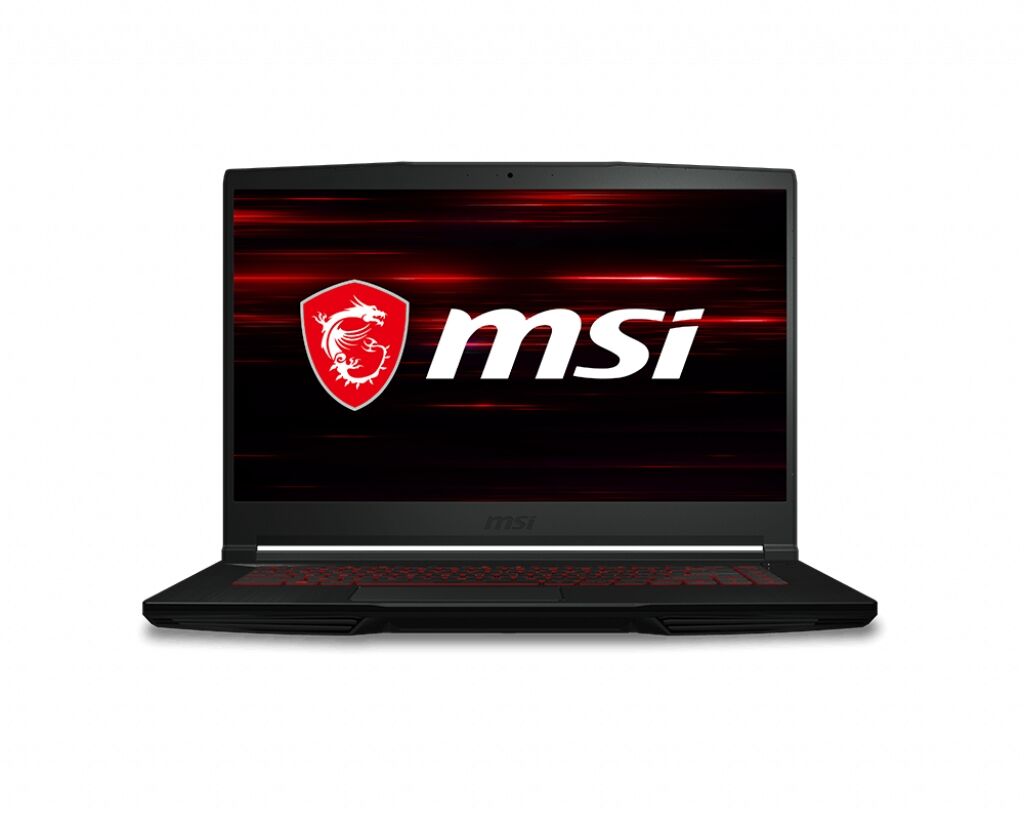
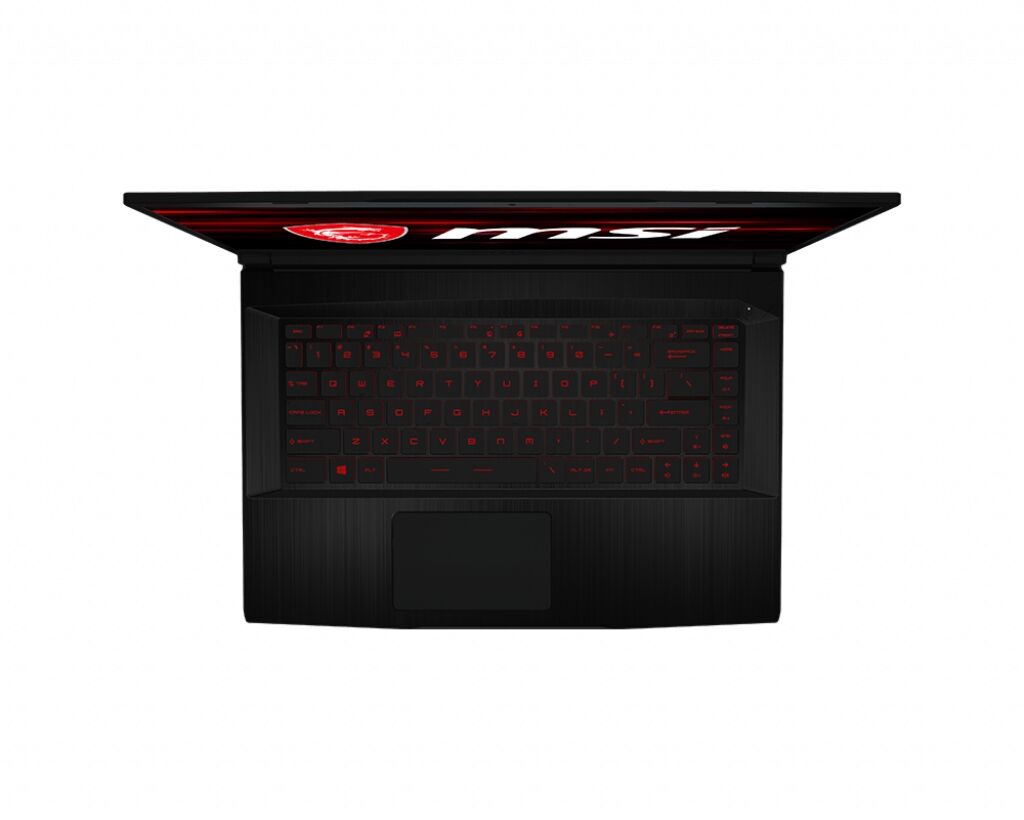
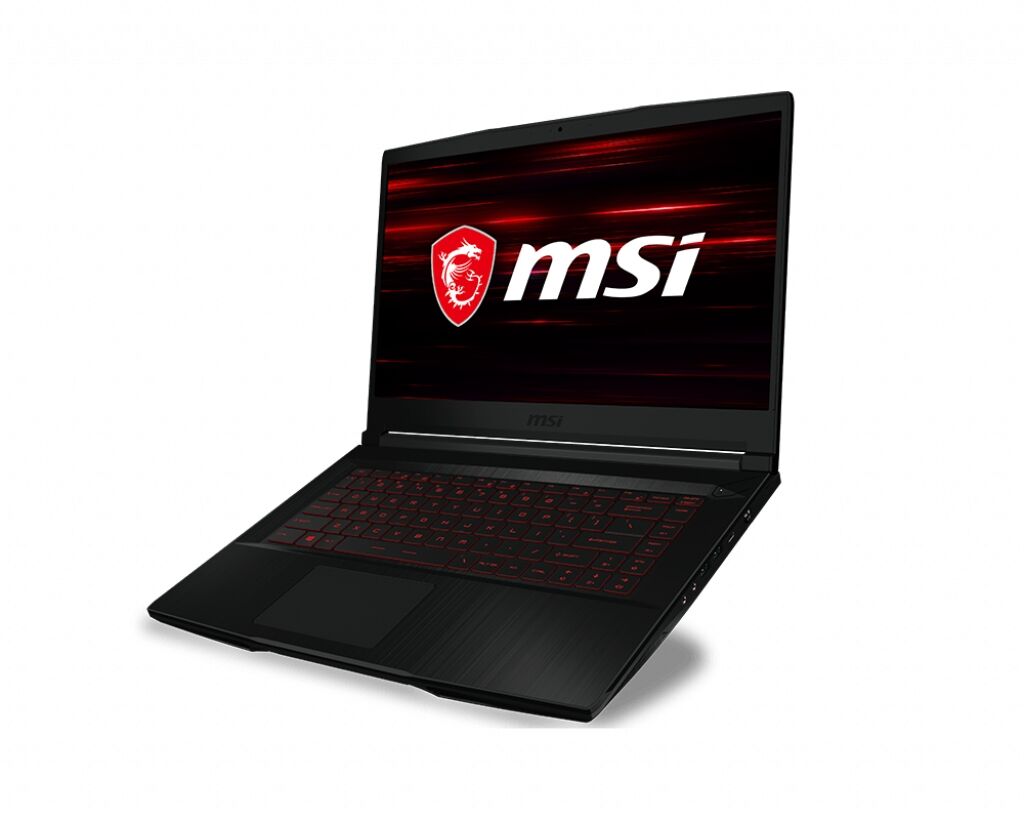
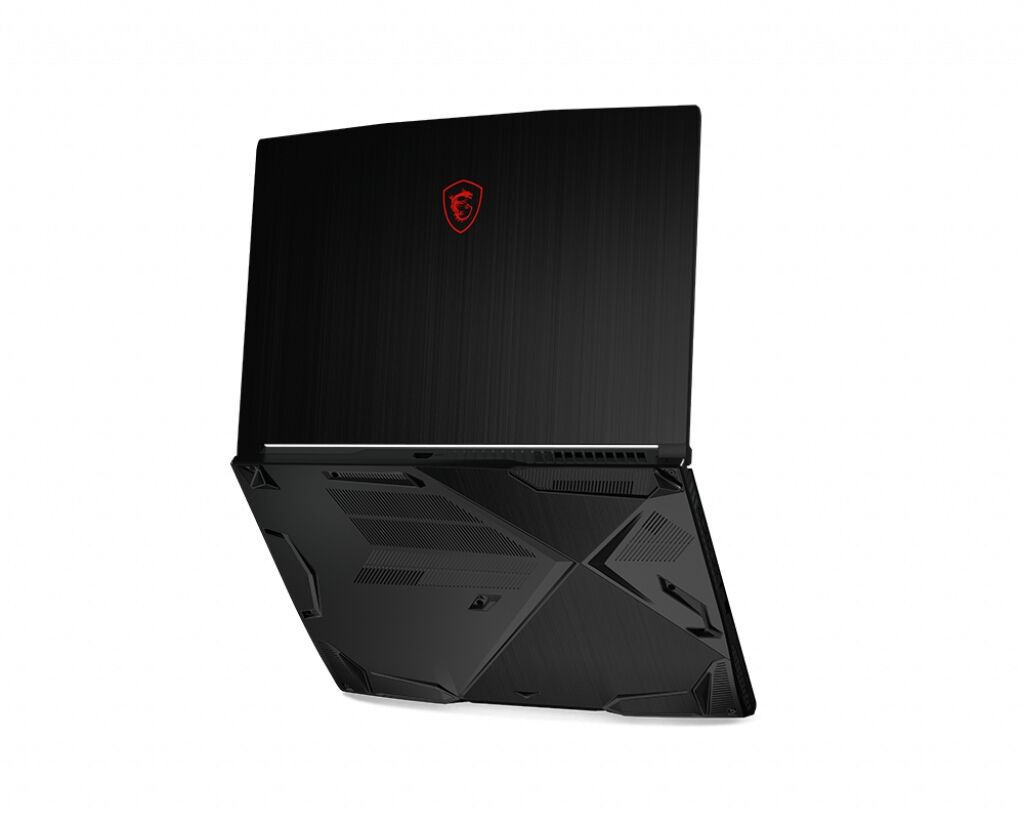
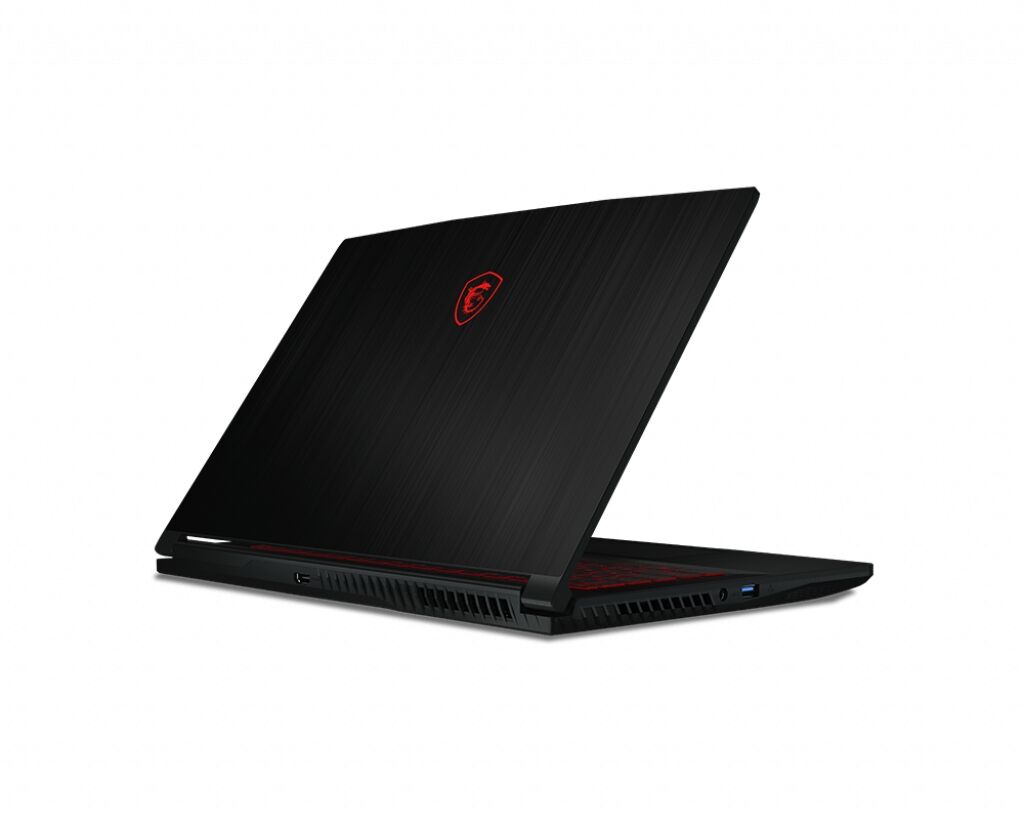
MSI GF63 Thin 10SCSR-1204FR Gaming series laptop contains two SO-DIMM memory slots supporting DDR4-SDRAM upgrade capacity. Maximum RAM compatible with specifications reaches 64 GB total memory. The Gaming GF series model operates at 2666 MHz frequency with SO-DIMM form factor. Current upgrade slots allow installation of DDR4 modules to enhance system performance. Specifications indicate capacity expansion capability through dual slot configuration for memory enhancement.
Memory Upgrade Specifications
| Specification | Value |
|---|---|
| Memory slots | 2x SO-DIMM |
| Form factor | SO-DIMM |
| Memory type | DDR4-SDRAM |
| Frequency | 2666 MHz |
| Maximum RAM | 64 GB |
| Voltage | 1.2V |
| Number of pins | 260-pin |
| Interface | PC4 |
| PC Speed Rating | PC4-2666 (PC4-21328) |
| Bandwidth | 21.3 GB/s |
| Laptop Release date | 13 November 2020 |
Additional Notes
- The MSI GF63 Thin 10SCSR-1204FR utilizes a dual-slot architecture that permits simultaneous population of both memory channels, enabling dual-channel bandwidth performance at stock operating frequencies.
- DDR4-2666 MHz modules represent the native supported speed tier; pairing with faster DDR4 variants (3200 MHz or higher) will downclock to 2666 MHz due to JEDEC standard compliance limitations on the system chipset, negating premium pricing for higher-frequency modules.
- The 64 GB aggregate capacity ceiling indicates the system controller recognizes up to 32 GB per slot; exceeding this per-slot limit may trigger partial recognition or boot failures.
- SO-DIMM form factor confinement means desktop DDR4 DIMMs or laptop proprietary modules from competing manufacturers cannot function; replacement stock must originate from laptop-grade suppliers exclusively.
- Removing factory-installed modules and installing third-party DDR4-2666 SO-DIMM replacements typically remains warranty-safe on MSI systems when performed by the user, provided no physical damage or ESD contact occurs during installation.
- Asymmetrical configuration (single populated slot) creates single-channel mode, reducing memory throughput by approximately 50 percent relative to dual-channel operation; gaming frame rates and GPU-dependent tasks exhibit measurable performance degradation in this topology.