MSI Gaming GF63 Thin 10SC-083XFR RAM upgrade specifications
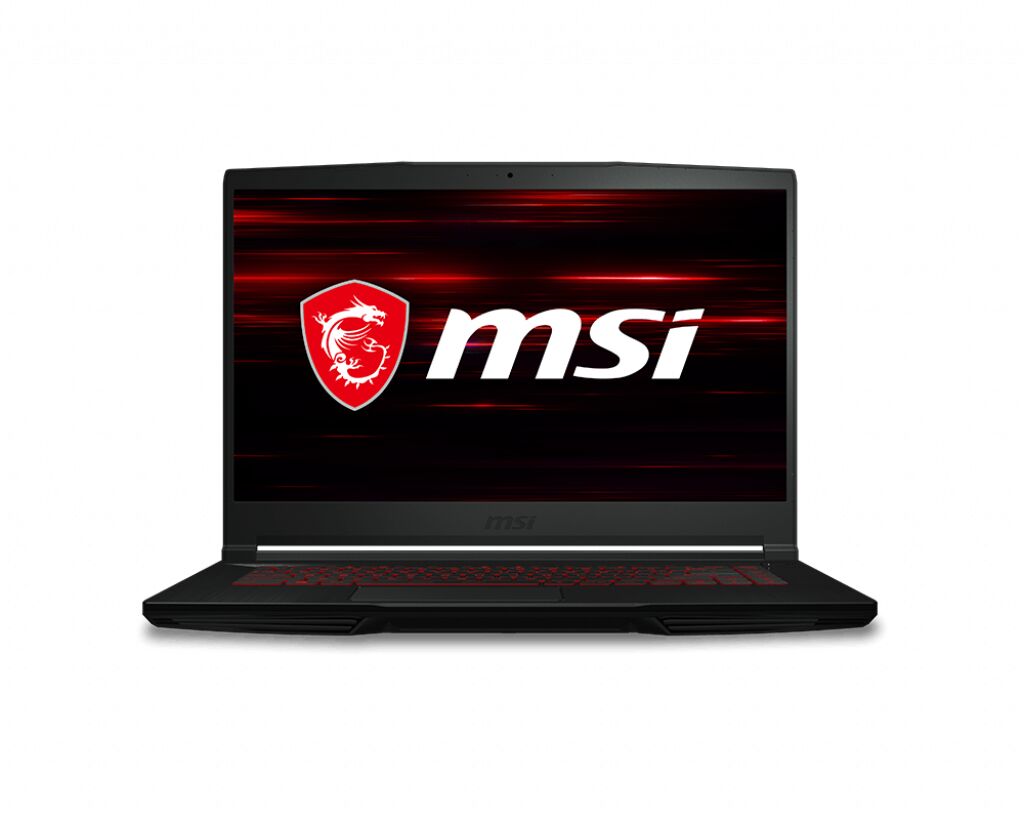
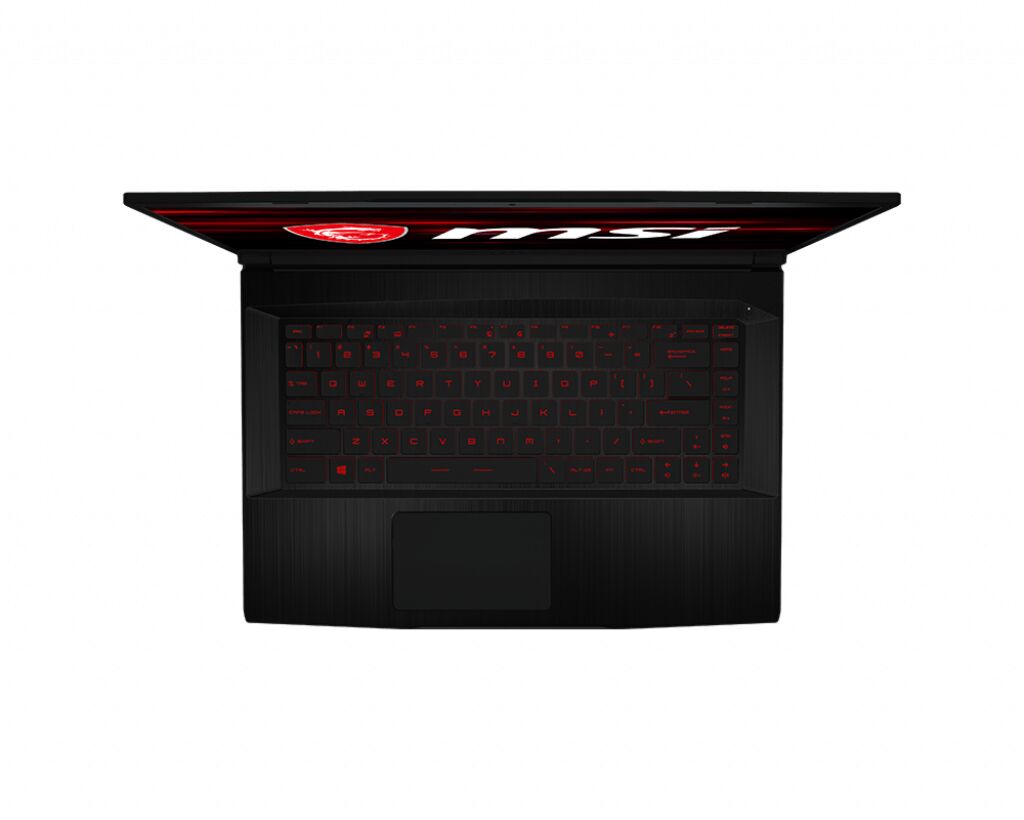

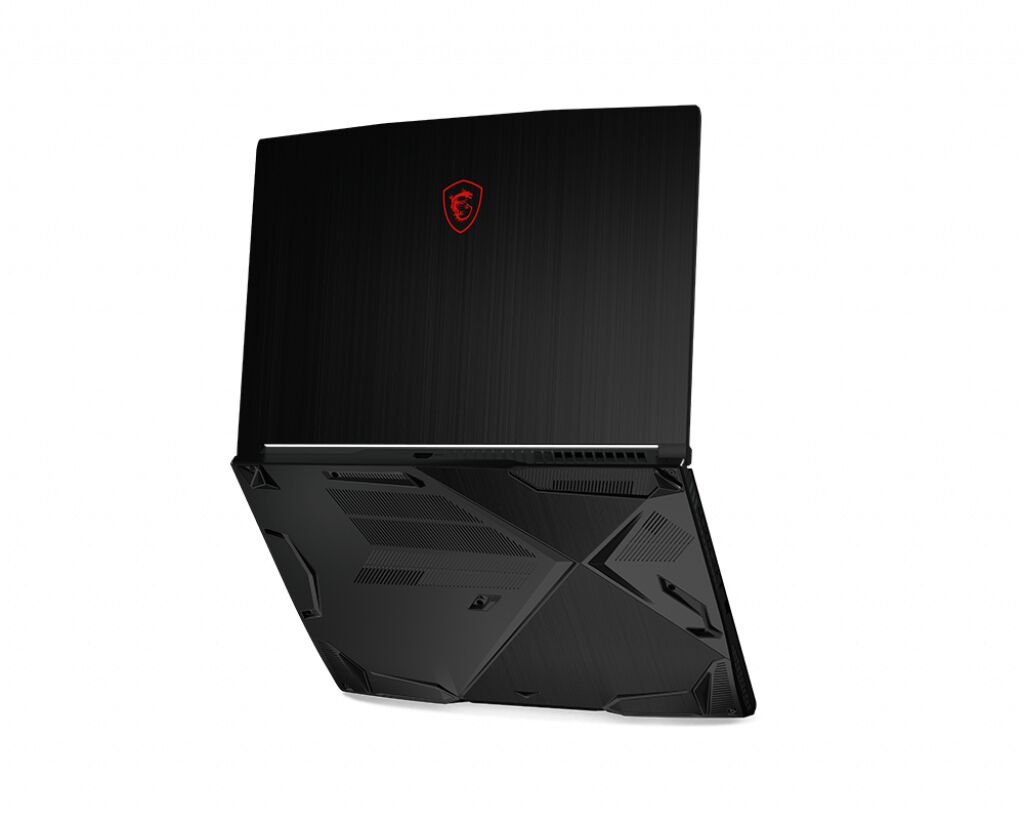

MSI GF63 Thin 10SC-083XFR gaming laptop memory upgrade specifications indicate DDR4-SDRAM compatibility with two SO-DIMM slots supporting maximum 64 GB total capacity. Upgrade configurations utilize 2666 MHz frequency modules compatible with this GF series model. RAM installation slots accommodate standard SO-DIMM form factor memory modules for performance enhancement in the MSI Gaming GF63 Thin platform.
Memory Upgrade Specifications
| Specification | Value |
|---|---|
| Memory slots | 2x SO-DIMM |
| Form factor | SO-DIMM |
| Memory type | DDR4-SDRAM |
| Frequency | 2666 MHz |
| Maximum RAM | 64 GB |
| Voltage | 1.2V |
| Number of pins | 260-pin |
| Interface | PC4 |
| PC Speed Rating | PC4-2666 (PC4-21328) |
| Bandwidth | 21.3 GB/s |
| Laptop Release date | 10 February 2021 |
Additional Notes
- The MSI GF63 Thin 10SC-083XFR architecture supports 32 GB per slot when upgrading to the maximum capacity, requiring matched density modules for dual-channel operation.
- The 2666 MHz specification reflects JEDEC standard DDR4 timing rather than XMP profiles, eliminating BIOS configuration steps during installation.
- SO-DIMM form factor access typically requires bottom panel removal on thin-bezel gaming chassis, with potential for keyboard deck disassembly depending on internal layout.
- Mixing modules with different CAS latencies forces the memory controller to adopt the slower timing across both channels, reducing effective throughput below rated specifications.
- Dual-channel bandwidth peaks at 42.6 GB/s theoretical maximum with both slots populated at native frequency, affecting frame pacing in GPU-intensive workloads.
- Operating voltage remains fixed at 1.2V standard for DDR4, preventing low-voltage module compatibility issues common in previous generation systems.
- Memory controller frequency scales with installed module speed up to the 2666 MHz ceiling, meaning higher-rated modules downclock without performance penalty.
- Single-channel configurations halve memory bandwidth to 21.3 GB/s, creating measurable bottlenecks in applications dependent on concurrent read-write operations.
- The 64 GB ceiling accommodates non-binary capacity configurations such as 48 GB through asymmetric module pairing while maintaining dual-channel functionality.
- ECC unbuffered modules physically fit SO-DIMM slots but remain unsupported by consumer-grade chipsets, causing POST failures during detection.
- Warranty preservation depends on using non-destructive access methods for slot population, as screw-retention systems differ from adhesive-sealed ultraportable designs.