MSI Gaming GF63 THIN 11UC-1054MX RAM upgrade specifications
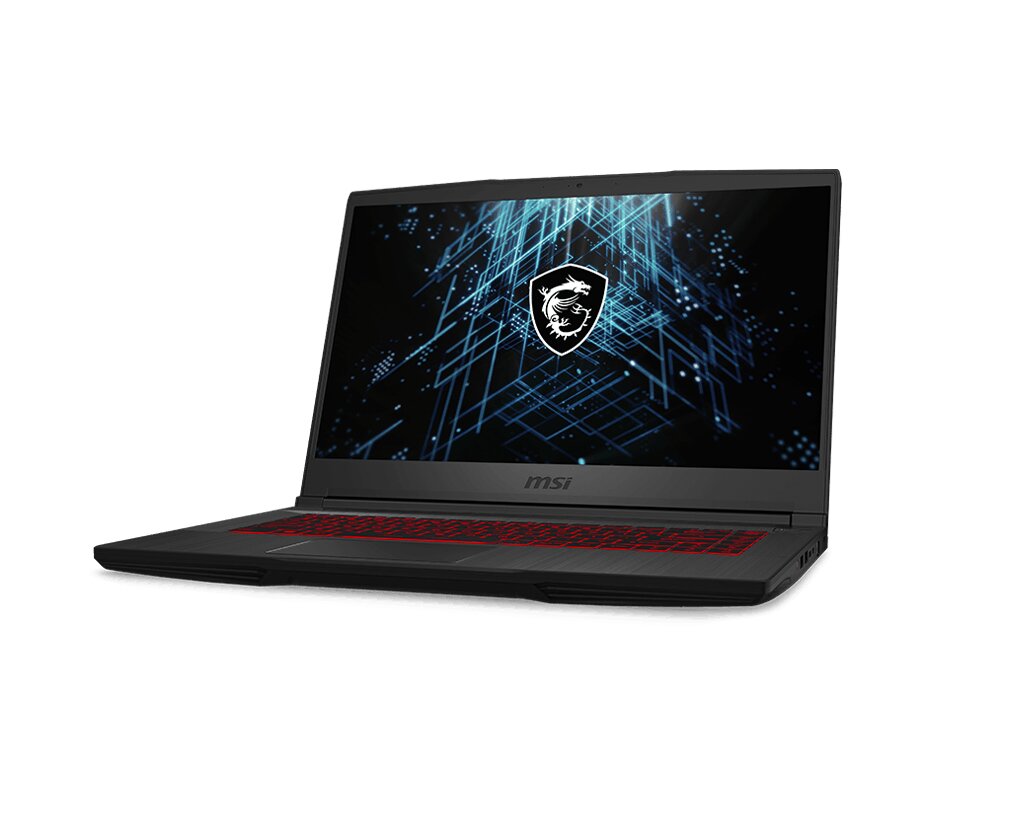
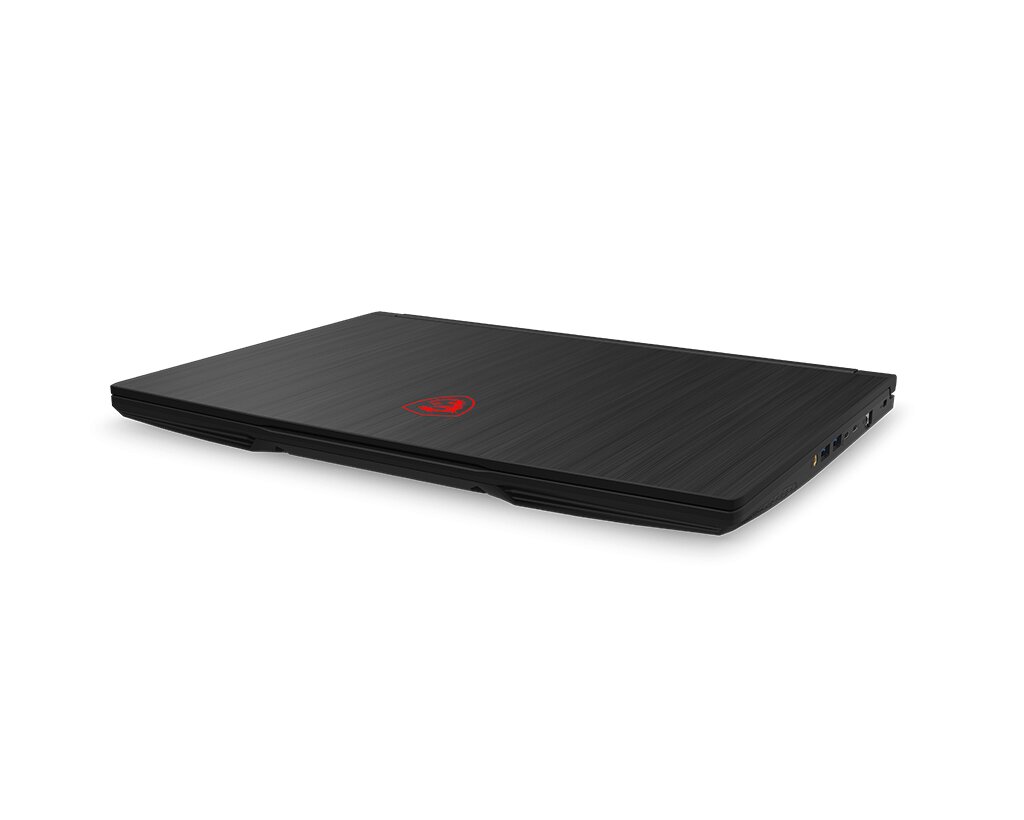

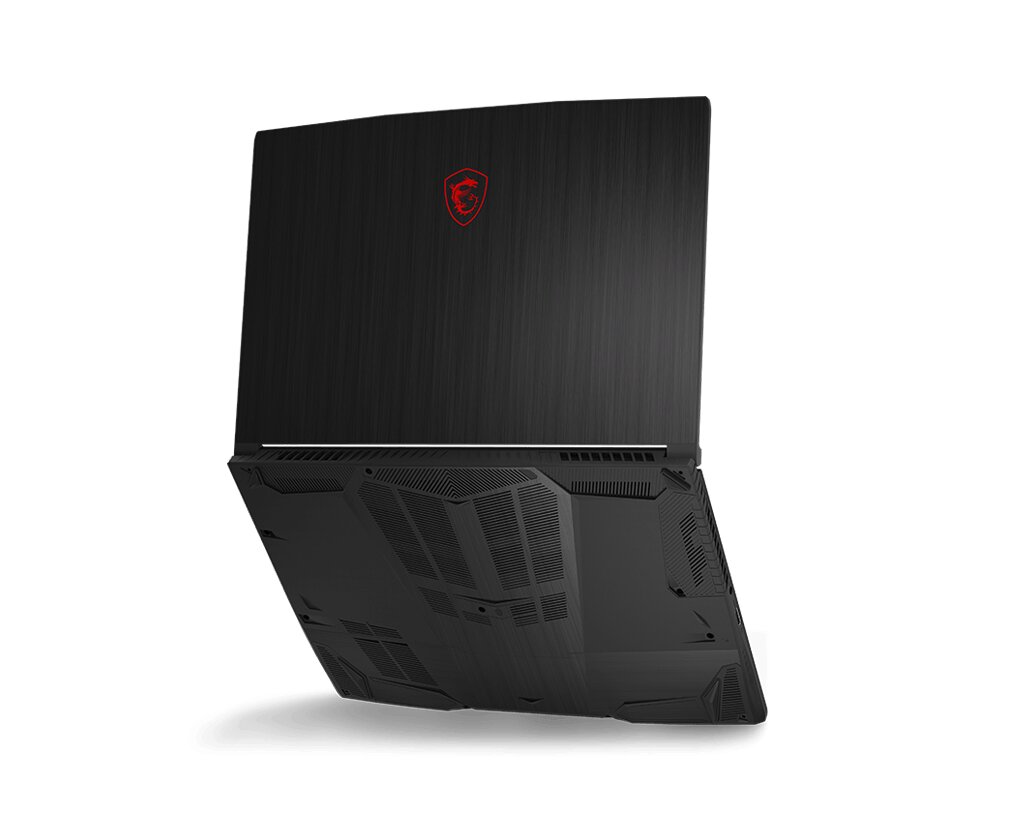
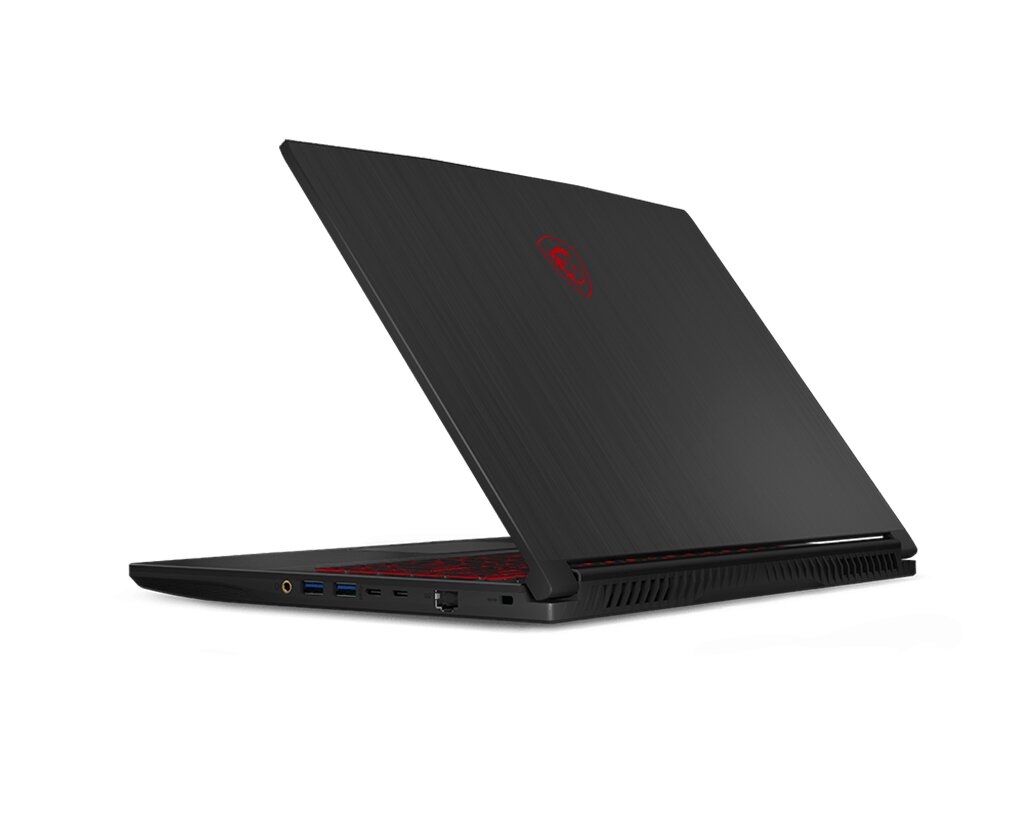
The MSI GF63 THIN 11UC-1054MX Gaming series laptop features DDR4-SDRAM memory upgrade specifications with 2x SO-DIMM slots supporting a maximum RAM capacity of 64 GB. Memory modules operate at 3200 MHz frequency with SO-DIMM form factor. Upgrade compatibility requires DDR4-SDRAM specifications matching the laptop's memory slots and maximum capacity specifications for proper system performance.
Memory Upgrade Specifications
| Specification | Value |
|---|---|
| Memory slots | 2x SO-DIMM |
| Form factor | SO-DIMM |
| Memory type | DDR4-SDRAM |
| Frequency | 3200 MHz |
| Maximum RAM | 64 GB |
| Voltage | 1.2V |
| Number of pins | 260-pin |
| Interface | PC4 |
| PC Speed Rating | PC4-3200 (PC4-25600) |
| Bandwidth | 25.6 GB/s |
| Laptop Release date | 22 March 2023 |
Additional Notes
- The MSI GF63 THIN 11UC-1054MX contains 2 SO-DIMM slots, meaning only 1 existing module can be replaced without removing the factory-installed memory, limiting non-destructive upgrade scenarios.
- DDR4-3200 MHz memory operates at a frequency ceiling determined by the 11th-generation Intel processor architecture; sourcing faster DDR4 modules (3600 MHz or above) will downclock to 3200 MHz, eliminating cost justification for premium variants.
- SO-DIMM form factor requires laptop-specific memory modules; standard desktop DDR4 DIMMs are physically incompatible and cannot be installed regardless of electrical specifications.
- 64 GB maximum capacity (32 GB per slot) represents a practical ceiling; exceeding this configuration through single modules is not supported by the system firmware or CPU memory controller.
- Upgrading from factory configuration to 64 GB requires replacing both modules simultaneously; the original memory must be removed and cannot be repurposed in this chassis without creating dual-channel configuration instability.
- DDR4-3200 latency characteristics and bandwidth limitations (25.6 GB/s theoretical maximum) create a memory bottleneck during sustained GPU workloads typical in gaming scenarios, where data throughput demands may exceed available channel capacity.
- SO-DIMM slots lack upgrade retention mechanisms common in desktop systems; mechanical durability during repeated installation cycles may degrade contact reliability over extended periods.